The air in Eagle County hangs heavy with the memory of a summer that refused to break
The air in Eagle County hangs heavy with the memory of a summer that refused to break. The snowpack melted early, leaving the rivers running low and the lawns turning a uniform, dusty beige. It was a visual marker of…
Aspen —The air in Eagle County hangs heavy with the memory of a summer that refused to break. The snowpack melted early, leaving the rivers running low and the lawns turning a uniform, dusty beige. It was a visual marker of a community holding its breath.
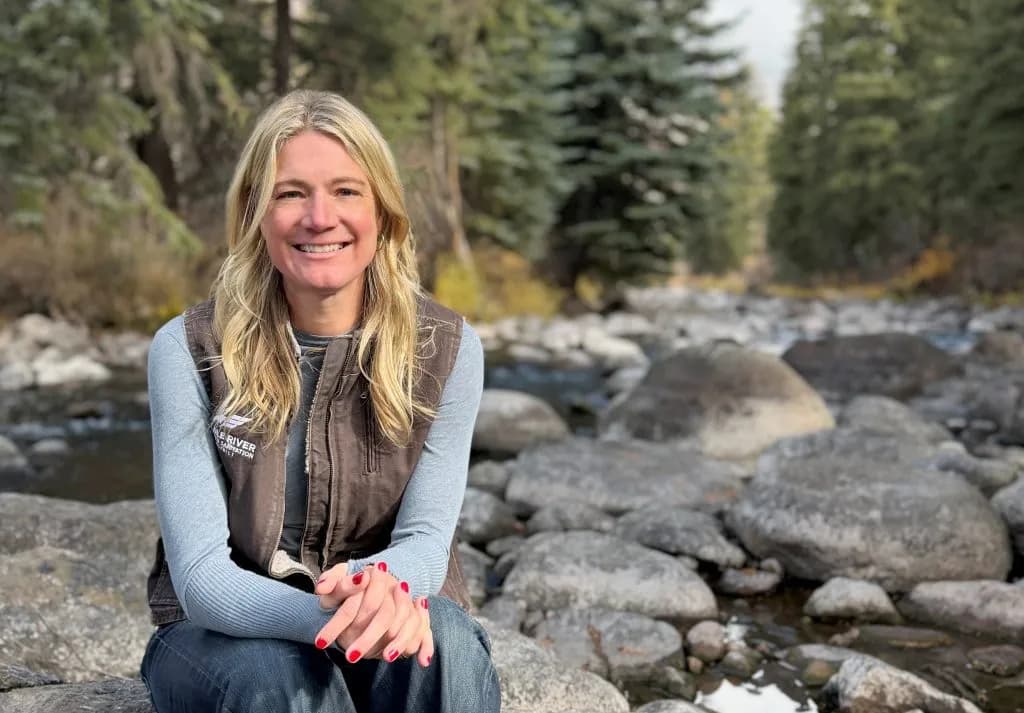
Eagle County cut its outdoor water use by 48% this year. That is nearly half. Siri Roman, the CEO and General Manager of Eagle River Water & Sanitation District, called it an "astonishing" number in an opinion piece for the Vail Daily. She suggested it might be the highest conservation rate of any Colorado community in 2026.
Roman did not credit the weather. She credited the neighbors. The drought was historic, yes. The heat was relentless. But the water stayed in the aquifers because people stopped putting it on their turf. The community chose the river over the lawn.
Make no mistake, this was not just compliance. Residents were not hiding from fines. They were making a statement. The Vail Daily noted that the shift was visible everywhere: native landscaping in roundabouts, signs explaining the stakes, and a general sense of vigilance. People noticed when a neighbor hauled in sod. They noticed when someone planted annual flowers in the middle of a dry spell. The community was watching, and it showed.
Roman pointed out that the effort required coordination. It involved residents, landscapers, property managers, business owners, and local governments. Each group faced tough choices. Some decisions were inconvenient. But collectively, they moved the needle. The result was a shared understanding of what the area values. It was a declaration of identity.
The region is defined by its natural features: the streams, the peaks, the views. This summer proved that protecting those assets outweighs the desire for a green yard. The community demonstrated a hierarchy of needs. The water source came first. The aesthetic came second.
Roman admitted her job is often focused on risk. Drought, fire, aging pipes, and demand all compete for limited supply. Those threats are not gone. They will return. But 2026 offered a counter-narrative. It showed what happens when a population aligns. The community adapted. It changed its response.
The winter ahead is uncertain. Snow levels are unknown. But the precedent is set. The most striking fact of 2026 was not the scarcity. It was the willingness to act. The community decided how much it was willing to sacrifice to keep the water where it belongs.
Keep up with Aspen
The day's Western Slope news, one email each morning. Free.