Western Slope Waits on Supreme Court Birthright Citizenship Ruling
The Supreme Court's decision on birthright citizenship could have far-reaching implications for families on the Western Slope, where immigration is a significant part of the community fabric.
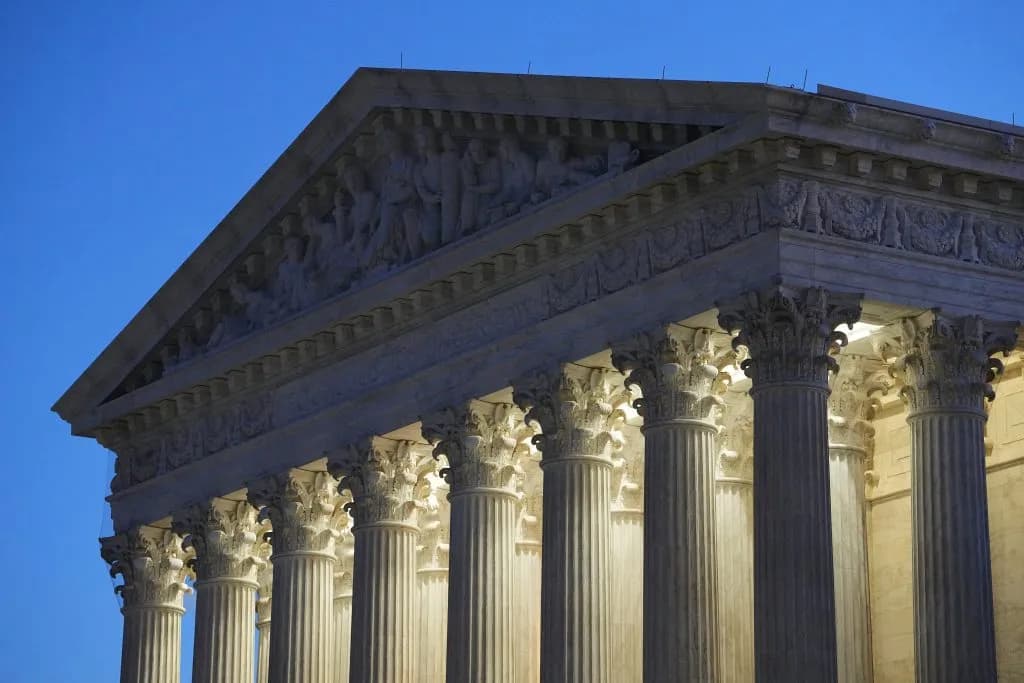
Vail —On a crisp morning in Grand Junction, the sounds of the Colorado River flowing through the city serve as a backdrop for a community deeply invested in the outcome of a Supreme Court case that could redefine the concept of birthright citizenship. As locals grab their morning coffee and head to work, the uncertainty surrounding the future of this fundamental right hangs in the air. The case, which challenges President Donald Trump's executive order denying U.S. citizenship to children born in the United States to people who are in the country illegally or temporarily, has sparked intense debate and concern among immigrant families on the Western Slope.
As one Argentine immigrant mother, who wishes to remain anonymous, put it, "I would say that I am definitely relieved that at least he is protected," referring to her 7-month-old son, who was born in Florida and has already been issued a U.S. passport. Her story, like many others, highlights the human impact of this legal battle. "It's funny because I actually booked him for his passport application appointment even before he was born," she added, underscoring the importance of securing her child's citizenship.
The Supreme Court's decision will have far-reaching implications for families in our region, where immigration is an integral part of the community fabric. The court's interpretation of the 14th Amendment's Citizenship Clause, which states that "all persons born or naturalized in the United States, and subject to the jurisdiction thereof" are citizens, will be crucial in determining the fate of children born to undocumented immigrants. As Solicitor General D. John Sauer argued, the court should use this case to clarify "long-enduring misconceptions about the Constitution's meaning."
However, the numbers back up the concerns of immigrant advocacy groups, who argue that denying citizenship to U.S.-born children of undocumented immigrants would have devastating consequences. In Delta County, for example, the Hispanic population has grown significantly over the past decade, and many of these families have children who were born in the United States. Denying them citizenship would not only affect their individual lives but also have a ripple effect on the local economy and community.
The question is whether the Supreme Court will uphold the traditional understanding of citizenship rights or adopt a more restrictive interpretation, as advocated by the Trump administration. As the court weighs the arguments, it is essential to consider the potential consequences of such a decision on Western Slope families. The local impact could be substantial, with potential effects on access to education, healthcare, and social services for children who may be denied citizenship.
In the town of Palisade, where agriculture is a significant sector, the uncertainty surrounding this issue has already created anxiety among farmworkers and their families. "We're worried about what this means for our kids' future," said one farmworker, who wished to remain anonymous. "We've worked hard to build a life here, and the thought of our children being denied citizenship is unbearable."
As the Supreme Court deliberates, the community on the Western Slope waits with bated breath. The outcome of this case will have a direct impact on the lives of many families in the region. As the Argentine immigrant mother said, "I am definitely relieved that at least he is protected," but for many others, the future remains uncertain. The court's ruling will ultimately determine the course of this critical issue, and the wait for a decision continues.
The Supreme Court's decision will ultimately determine the course of this fundamental right in the United States. As the court considers the arguments, it is crucial to remember that the outcome will affect not only the lives of individual families but also the fabric of our community. As the Argentine immigrant mother so eloquently put it, "He's an American," referring to her son. The question now is whether the Supreme Court will uphold this fundamental right or create a new precedent that could have far-reaching consequences for generations to come.
Keep up with Vail
The day's Western Slope news, one email each morning. Free.