Western Slope News Coverage Suffers from Media Consolidation
Media consolidation is leading to less local coverage and more corporate influence on the Western Slope, undermining the ability of news organizations to report freely and hold those in power accountable.
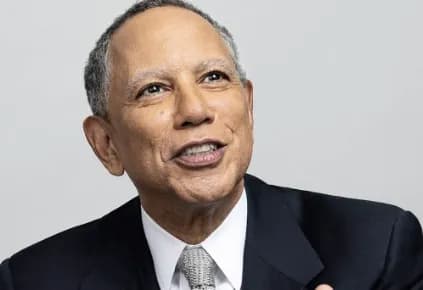
Colorado —What happens to the news when one company owns everything? For Western Slope residents, the answer is becoming increasingly clear: less local coverage, more corporate influence. Former New York Times editor Dean Baquet recently sounded the alarm on media consolidation, warning that it undermines the ability of news organizations to report freely. Baquet's comments came in an interview with the Colorado Sun, where he expressed concern about allies of the president gaining control of major news outlets.
Make no mistake, this is not just a national issue — it has real implications for folks around here. When a single company owns multiple newspapers and TV stations, it can lead to a homogenization of news coverage, with local stories and perspectives getting lost in the mix. The short version: media consolidation is bad for democracy, and it's bad for the Western Slope. Baquet's warning is worth watching, especially as the media landscape continues to shift.
Baquet's own experience as a journalist is instructive. He learned the value of hard work and attention to detail mopping the floor of his family's Creole diner in New Orleans. Those lessons served him well as a journalist and leader, and he's proud of the work he did at the Times, particularly on big stories like the Harvey Weinstein investigation. But Baquet is also aware of the challenges posed by covering a president with a penchant for lying — and the ways in which media consolidation can exacerbate those challenges.
Read that again: when news organizations are beholden to corporate interests or political allies, they may be less likely to hold those in power accountable. That's a problem for people in the valley, who rely on local news to stay informed about issues that affect their daily lives. The community deserves better than a watered-down, corporate-approved version of the news. Baquet's warning is a reminder that a free press is essential to a functioning democracy, and that's something worth fighting for.
The impact of media consolidation on the Western Slope is already being felt. Local newspapers are shrinking, and TV stations are relying more and more on syndicated content. That means less coverage of local issues, less scrutiny of local officials, and less of a voice for the community. It's a trend that will cost taxpayers in the long run, as a lack of transparency and accountability can lead to waste and abuse of power. This will cost the community more than just dollars; it will cost them a say in their own governance.
The Bottom Line for Locals
For locals, the bottom line is clear: media consolidation is a threat to the health of our democracy. It's not just about the news - it's about the kind of community we want to build. Do we want a community that is informed, engaged, and empowered, or one that is passive, misinformed, and disenfranchised? The choice is ours, but it requires us to pay attention to the ways in which media consolidation is shaping our news landscape. Baquet's warning is a call to action: we need to support independent, local news organizations that are committed to telling the stories that matter most to our community. Anything less is a threat to the very fabric of our democracy.
As Baquet said, the independence of news organizations is essential to a functioning democracy. But what happens when that independence is compromised? The answer is not pretty. We see it in the lack of coverage of local issues, the lack of scrutiny of local officials, and the lack of a voice for the community. We see it in the ways in which corporate interests and political allies shape the news narrative. And we see it in the ways in which the community is disenfranchised, disempowered, and disconnected from the decisions that affect their lives. The question is, what are we going to do about it?
Keep up with Colorado
The day's Western Slope news, one email each morning. Free.

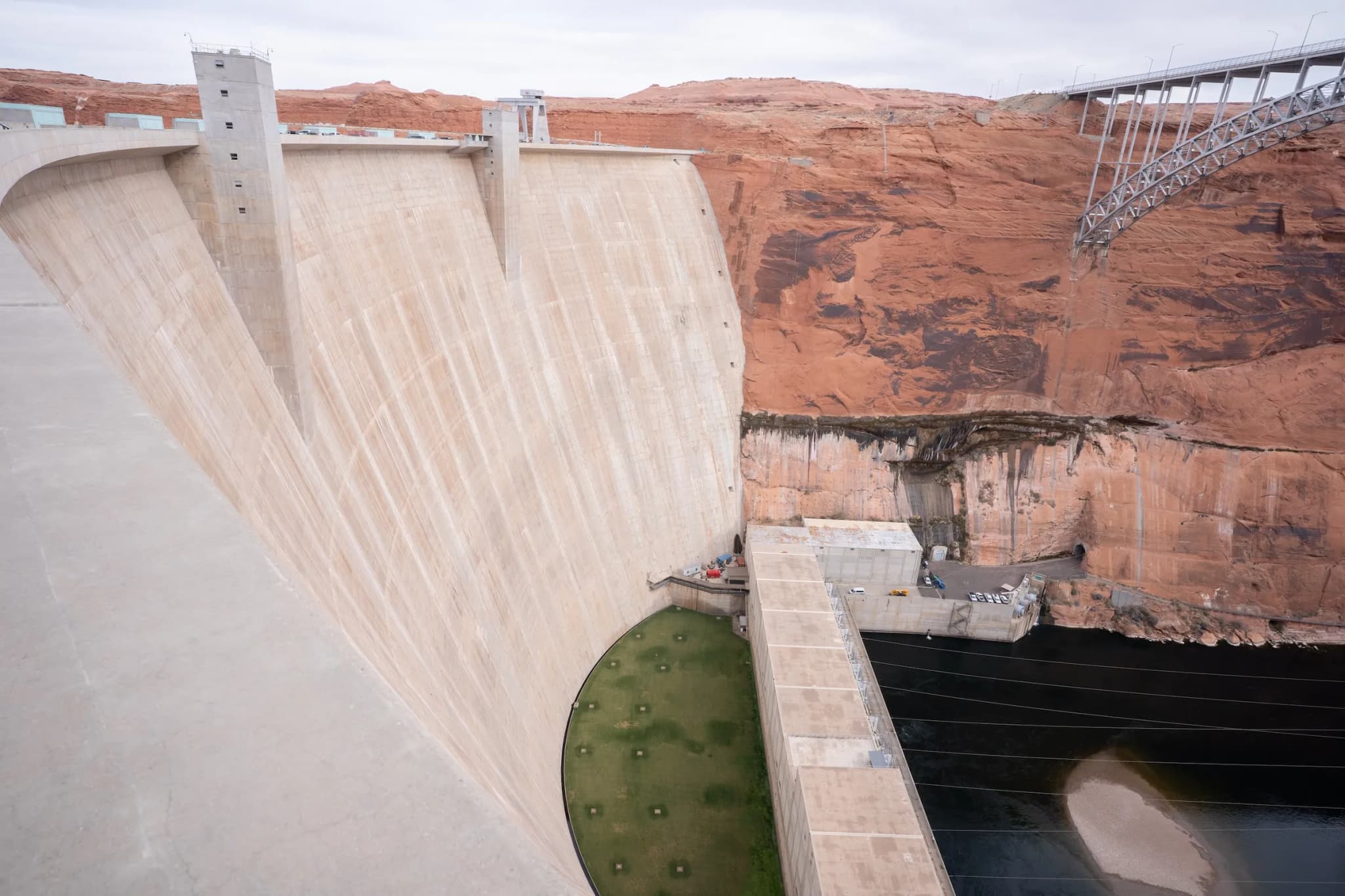
Federal Report Sets 200,000 Acre-Foot Water Conservation Target for Upper Basin

Colorado Parks and Wildlife Deploys Precision Drones for Weed Control