The obvious take is that Amendment 83 is a rural nostalgia trip
The obvious take is that Amendment 83 is a rural nostalgia trip. It’s the "old ways" vs. the "new rules" story. That’s wrong. This is a budget fight disguised as a culture war. Make no mistake: the issue isn’t whether…

The obvious take is that Amendment 83 is a rural nostalgia trip. It’s the "old ways" vs. the "new rules" story. That’s wrong. This is a budget fight disguised as a culture war.
Make no mistake: the issue isn’t whether you love a elk hunt. It’s where the money comes from.
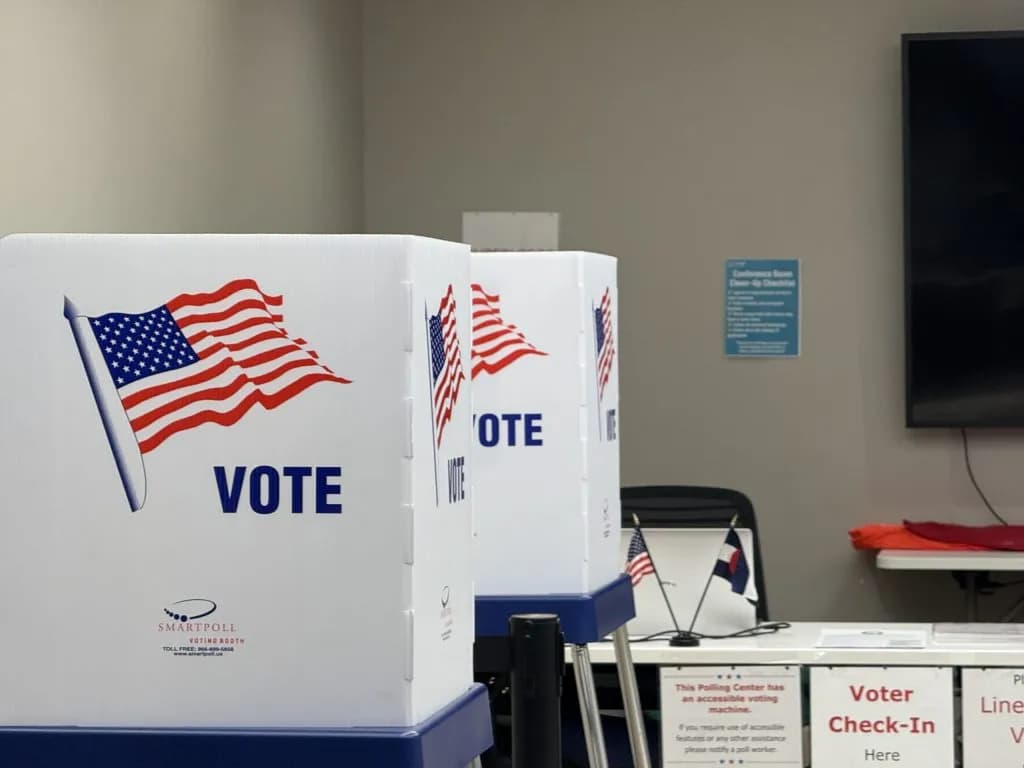
Colorado voters will decide in November if hunting and fishing become constitutional rights. If they pass, the state legislature can’t ban or restrict those activities without a new vote. Right now, the General Assembly can change the rules anytime.
Who’s behind it? A conservative nonprofit filed it. But the cash came from the International Order of T. Roosevelt, a hunting group based in Marshfield, Wisconsin. This isn’t a local grassroots effort. It’s funded by out-of-state interests who want their preferred management style locked in.
Why lock it in? Proponents say hunting and fishing are part of Colorado’s identity. They also drive tourism. More importantly, they pay for themselves.
Here is the number that matters. According to the state’s official ballot guide, known as the "blue book," one-third of Colorado Parks and Wildlife’s annual budget comes from license sales. That is roughly $115 million a year.
The Common Sense Institute, a nonpartisan policy research group, broke down the revenue stream for the fiscal year 2024-25. They found that 68% of the agency’s wildlife funding came directly from licenses, passes, fees, and permits. Federal grants covered 17%. Lottery proceeds through Great Outdoors Colorado accounted for just 5%. Everything else made up the final 10%.
Read that again. Two-thirds of the money comes from the very activity the amendment seeks to protect.
If the constitution protects hunting, it also protects the fee structure that funds the agency. Legislators can still raise or lower prices, but they can’t eliminate the source. Opponents worry this gives special interest groups a veto over environmental regulations. Supporters argue it prevents political swings from banning traditional practices.
There is a second measure on the ballot. Proposition 137 asks if the state should take $175 million to $180 million a year from existing sales taxes on sporting goods. That money would go to conservation, wildfire mitigation, watershed restoration, and recreation improvements.
That is a different bag of money. Amendment 83 protects the license revenue. Proposition 137 redirects tax revenue. Both touch the wallet, but they hit different pockets.
The debate is framed as "rights" vs. "regulation." That’s a distraction. The real question is simple: Who controls the checkbook?
If Amendment 83 passes, the power shifts from the legislature to the voters. Future governors and legislators won’t be able to tweak the rules without going back to the polls. For a state that loves its autonomy, that sounds appealing. For a bureaucracy used to flexibility, it’s a nightmare.
Locals in the valley often talk about property values. They worry that strict hunting restrictions could hurt tourism. Or that loose rules could attract too many outsiders. The amendment tries to settle that by making the right permanent.
Is that a good idea? Hard to say. What is clear is that this isn’t just about deer. It’s about the $115 million in licenses. It’s about the 68% of the budget that depends on it.
The short version: You’re not voting on whether you can hunt. You’re voting on whether the legislature can stop you from paying for the agency that manages the herd.
If you think the current system works, vote yes. Lock it in. If you think the legislature needs room to maneuver, vote no. Keep it flexible.
Either way, the money stays. The only thing changing is who has the final say on how it’s spent.
Worth watching: How the out-of-state funding influences local messaging. The International Order of T. Roosevelt didn’t just write a check. They bought a platform.
The facts are funny enough. A constitutional amendment to protect a budget line item. Call it what you will. It’s not a right. It’s a revenue stream.
Keep up with the Western Slope
The day's Western Slope news, one email each morning. Free.