The obvious take is that Colorado’s budget is bleeding out because of a sudden, catastrophic spike in healthcare costs
The obvious take is that Colorado’s budget is bleeding out because of a sudden, catastrophic spike in healthcare costs. That’s wrong. The state’s finances aren’t collapsing; they’re being slowly strangled by a program that is shrinking in headcount while exploding…
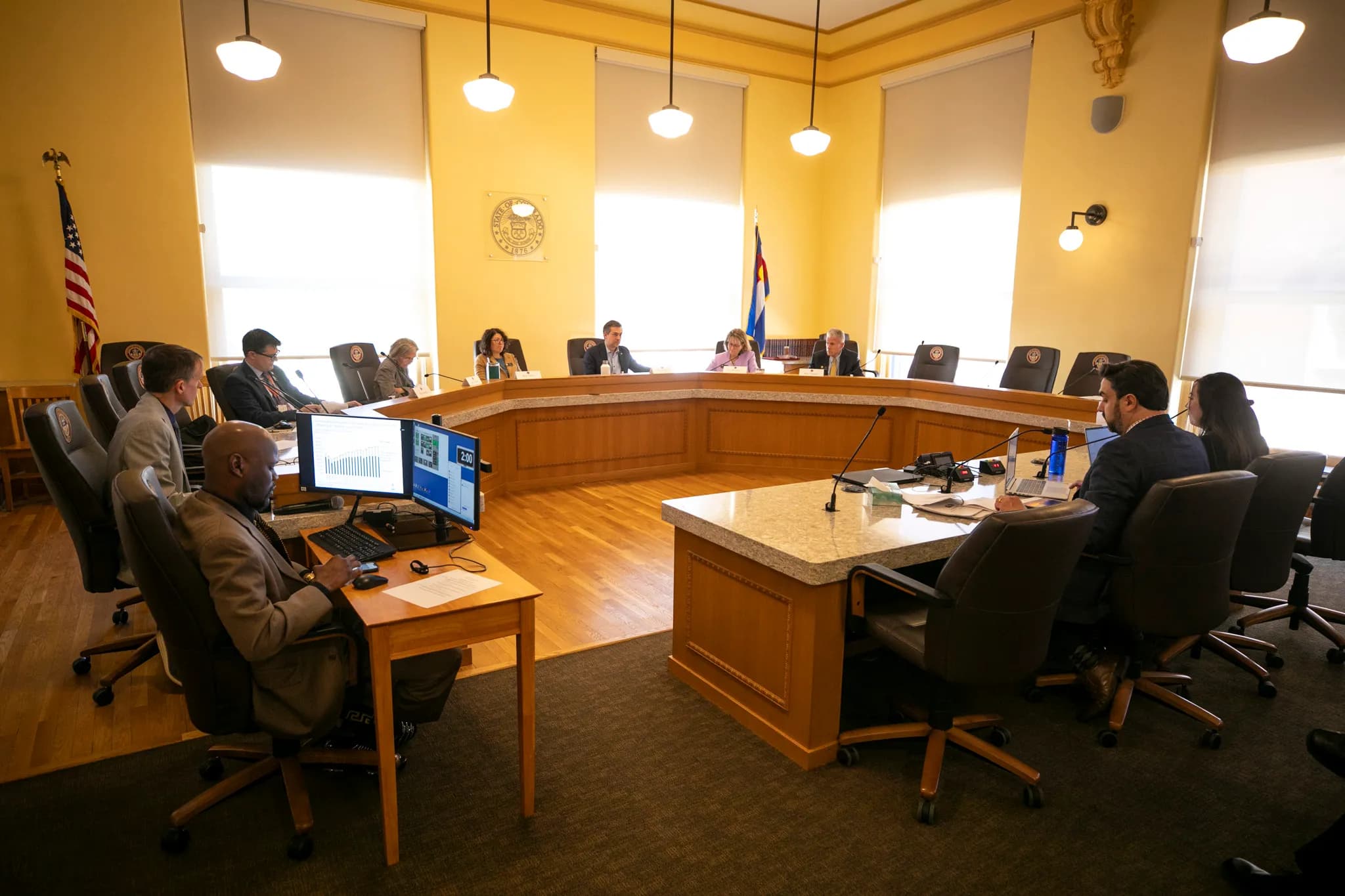
The obvious take is that Colorado’s budget is bleeding out because of a sudden, catastrophic spike in healthcare costs. That’s wrong. The state’s finances aren’t collapsing; they’re being slowly strangled by a program that is shrinking in headcount while exploding in per-patient cost. The $1.6 billion deficit forecasted for the next fiscal year isn’t a crisis of volume. It’s a crisis of intensity.
Mark Ferrandino, director of the governor’s Office of State Planning and Budgeting, laid it out bluntly during the Joint Budget Committee’s quarterly revenue forecast briefing. “Medicaid alone is causing the vast majority of this issue,” he said.
That statement deserves a pause. It sounds like a standard bureaucratic excuse — blame the federal program, blame the hospitals, blame the demographics. But when you look at the numbers Ferrandino provided, the math holds up, and it points to something more specific. Medicaid enrollment in Colorado has dropped 31% since 2023. Fewer people are on the rolls. Yet, costs for the program have risen 92% over that same period.
How does that happen? You don’t need a doctor’s degree to figure it out. The people still enrolled are using the system much more heavily than those who left. Ferrandino identified the drivers: rising use of long-term care services for the elderly and an increase in behavioral healthcare utilization. These are high-cost, sticky categories. Once a patient enters long-term care or a behavioral health track, they stay there. The state pays for every month, every service, every escalation.
This trend is accelerating. From 2023 to 2028, Medicaid spending is projected to grow by 13.6% annually. To put that in perspective, the state’s total budget is growing at less than half that rate. Medicaid is now growing at nearly twice the speed of the rest of the state’s operations. Ferrandino called this an “existential risk” to other state services. He warned that if the current trajectory continues, the state will be forced to cut funding from every other department — education, transportation, infrastructure, social services, to keep the lights on for Medicaid.
The problem is compounded by new federal rules. Starting in the 2027-28 budget year, Colorado will lose $105 million due to a new federal cap on state-level hospital provider fees. These fees are a key funding mechanism for the state’s share of Medicaid costs. Losing that money while per-patient costs soar creates a double squeeze.
The state has already felt this pressure. The Commission on Medicaid recently learned that the state overspent its healthcare budget by $213 million in the last fiscal year. Looking ahead, the Department of Health Care Policy and Financing expects costs to exceed the current budget by another $443 million, and to add $918 million in new costs to the 2027-28 budget.
For locals, this means the fight over the state budget is really a fight over who pays for the care of the sickest, most vulnerable Coloradans. The question is whether the legislature and the next governor will have the political will to address the root cause - the soaring cost of care for a smaller, sicker population; or if they’ll just keep cutting services elsewhere to plug the hole.
To hear them tell it, the state is running out of room to maneuver. As Ferrandino put it, “If we just continue to allow this to happen at this rate, we will be reducing (spending on) all of the other departments by the end of the next decade.”
Keep up with the Western Slope
The day's Western Slope news, one email each morning. Free.