Colorado Moose Survive Drought But Face Rising Tick Threats
Colorado moose maintain stable survival rates despite severe drought and heat, but biologists warn that early spring warmth will lead to significantly higher tick infestations next year.
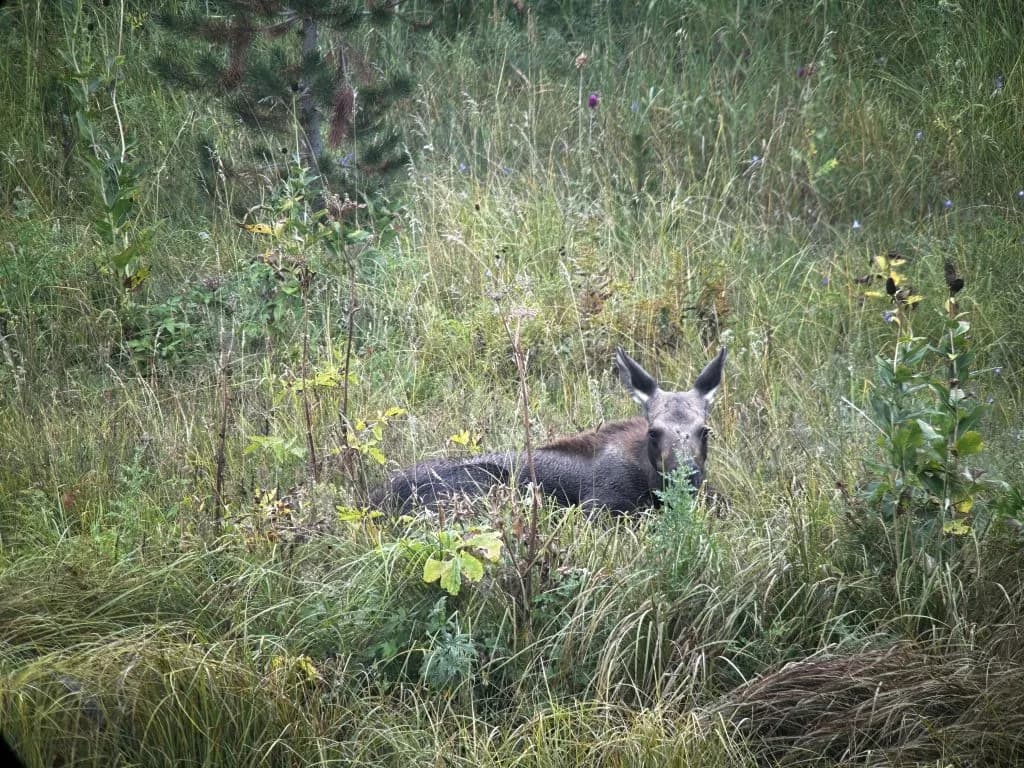
Aspen —The air hangs heavy and still over the high country, a thick blanket of humidity that settles deep into the lungs after a long hike through the aspens. In the valleys below, the leaves have begun to curl at the edges, a subtle sign of stress that is easy to miss if you aren’t looking closely. It’s a quiet kind of pressure, the kind that doesn’t shout but simply persists, day after day, as the sun beats down on the same dry slopes it has warmed for weeks.
For the moose that move through these landscapes, that persistence has so far not translated into loss. According to the Aspen Times, Colorado Parks and Wildlife reports that despite a mild winter followed by a summer defined by drought and high temperatures, survival rates in the northwest region remain stable. Eric Vannatta, an area wildlife biologist, noted that the animals appear to be adjusting their behavior rather than suffering from the heat itself. He suggested that moose are likely seeking out dark timber or areas with lower solar radiation to regulate their body temperature, a strategy that seems to be working well enough to keep the population steady for now.
That stability, however, comes with a caveat that looms larger than the current heat wave. Vannatta pointed out that while the summer temperatures haven’t hurt the moose, the conditions of the previous spring created an ideal environment for ticks. Because of that, heavier tick loads are expected in the coming winter and spring, a trend that follows years with early snowmelt and warm starts. The infestations in this region have generally stayed milder than those seen in the upper Midwest or New England, but the pattern is clear: the bugs thrive when the weather warms up early, and the moose pay the price later.
There are other factors at play, too. Daniel Thompson, a habitat researcher for the agency, explained that moose have a surprising toolkit for handling heat. They don’t sweat, but they can increase their breathing rate to lose heat through evaporation, slow their heart rate, and even change their activity patterns to forage at night. By eating cool, wet vegetation before dawn, they can lower their metabolic heat production, a clever adaptation that allows them to stay active without overheating. Thompson also mentioned that the animals sometimes modify their resting spots by exposing cooler mineral soil or selecting elevated areas where wind provides relief.
One issue that has surfaced is elaeophorosis, a condition caused by an arterial worm transmitted by biting flies like horseflies and deerflies. These insects are most active during the warm summer months, which means the risk of transmission rises as the season progresses. While the disease has been observed in Colorado moose, it is just one piece of a complex puzzle that includes climate, habitat, and parasite dynamics.
The bigger picture is one of adaptation under pressure. The moose are not static creatures reacting passively to their environment; they are actively managing their physiology and behavior to survive. Whether that will be enough to withstand the cumulative effects of a changing climate is uncertain, but for now, the evidence suggests they are holding their ground. The heat is real, the drought is real, but so is the resilience of the animals that call this place home.
In the end, the story isn’t just about temperature or water; it’s about how life finds a way to persist, even when the conditions seem stacked against it. The moose may not be immune to the challenges ahead, but they are certainly not defeated by them. And in a landscape that is increasingly defined by extremes, that kind of tenacity is worth watching. The next few seasons will tell us whether their strategies hold, or whether new pressures emerge that test their limits. Until then, the silence of the forest remains, broken only by the occasional rustle of leaves and the distant call of a bird, a reminder that nature is still at work, even when we can’t see it.
Keep up with Aspen
The day's Western Slope news, one email each morning. Free.
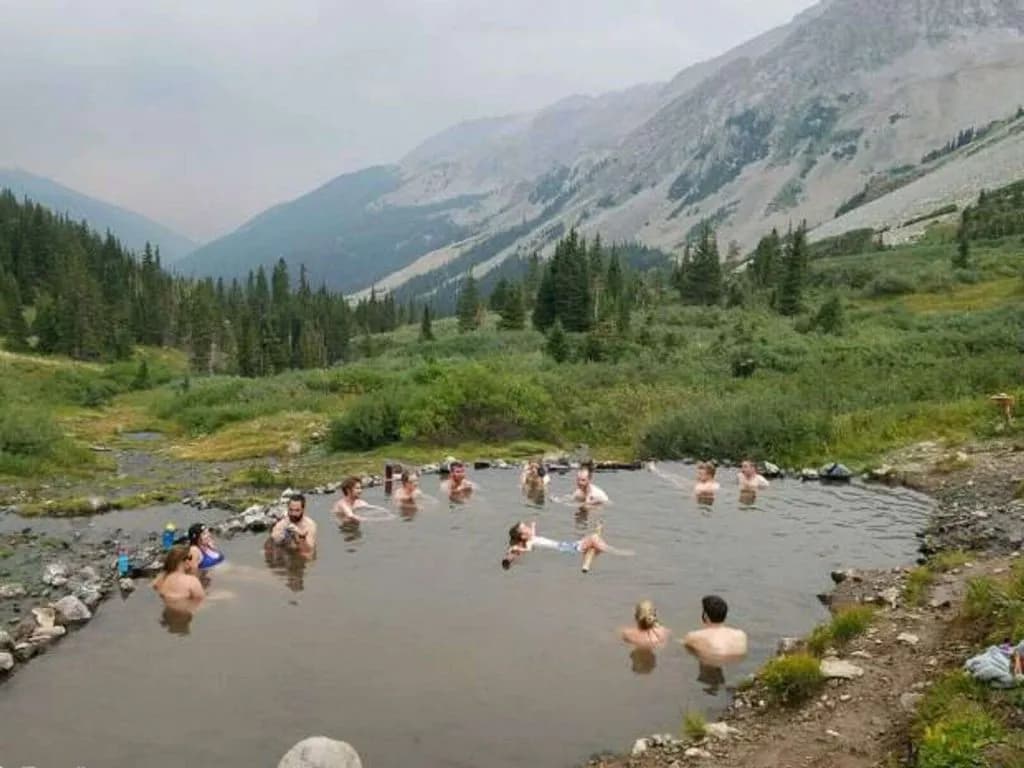
Aspen Rescue Team Struggles With Drug Calls At Conundrum Hot Springs

The fluorescent lights of the LIFT-UP food pantry in Parachute hum with a low, steady buzz