The Yampa River runs low and slow, the water thinning out over the gravel bars as it winds through Routt County
The Yampa River runs low and slow, the water thinning out over the gravel bars as it winds through Routt County. On a July morning, the heat hangs heavy in the valley, and the only sound is the occasional splash…
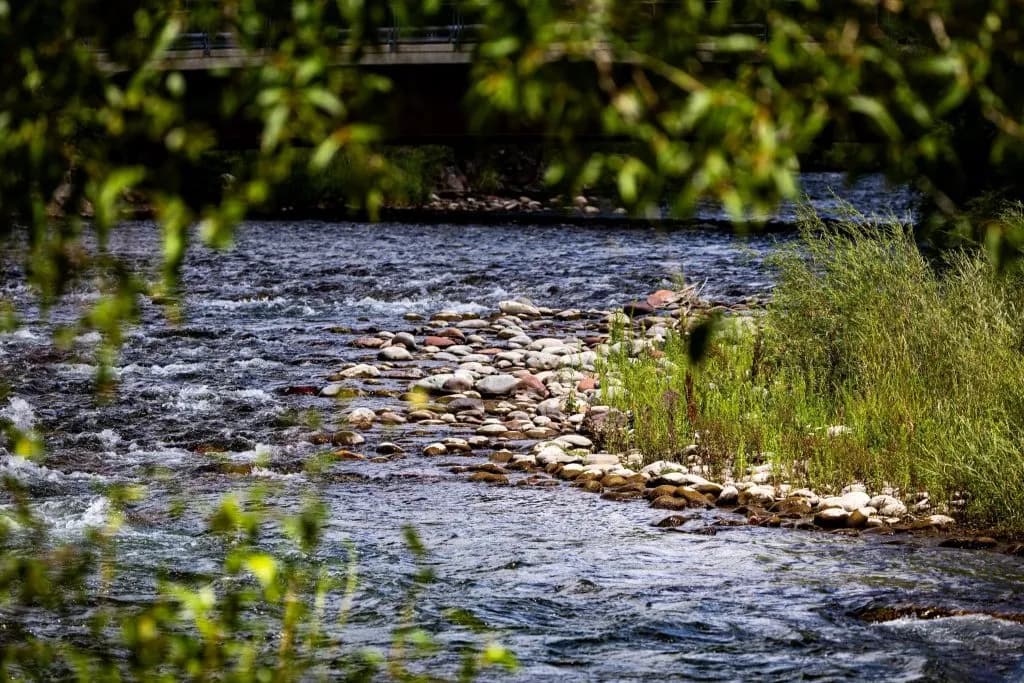
Aspen —The Yampa River runs low and slow, the water thinning out over the gravel bars as it winds through Routt County. On a July morning, the heat hangs heavy in the valley, and the only sound is the occasional splash of a pelican diving for a fish in the shrinking pools of Stagecoach Reservoir. It’s a scene that looks like nature taking a nap, but it’s actually a calculated release.
This is the reality of extreme drought in Colorado’s headwaters state. While the rest of the West watches its rivers vanish, a specific group of organizations is trying to keep the water in the stream. They aren’t just waiting for the next snowstorm. They are buying, leasing, and managing water to ensure the rivers don’t dry up completely.
The question is whether this manual intervention can hold back the tide of climate-driven scarcity. To hear them tell it, the answer is yes, but the math holds up only because of a complex web of agreements, senior water rights, and sheer luck.
“From my opinion, sometimes it’s geography, sometimes it’s water right seniority and availability, and other times it’s a little bit of luck,” said Danielle Snyder, a water resources specialist for Colorado Water Trust based in Durango. “More often than not, though, it’s the people in the communities we work with that make it happen.”
Snyder was speaking during an online discussion hosted by Water Education Colorado on July 9, alongside experts from the Upper Yampa Valley Water Conservancy District. The goal was simple: explain why some rivers still have water while others are just mud and memory.
The mechanism is the prior appropriation doctrine — the “first in time, first in right” system that has governed Colorado water for over a century. In theory, senior rights holders get their water first. In practice, during a severe drought, even the oldest rights sometimes get nothing.
“In a year like this, we have water rights as senior as the 1900s that are not getting water this year because the drought is so severe,” said Kate Ryan, executive director of the Colorado Water Trust. “Every single drop of water, if you go out in a stream today, is headed to somebody downstream.”
Ryan, a Boulder-based water lawyer, noted that the organization has negotiated agreements returning over 32 billion gallons of water to streams since it started in 2001. The secret isn’t just owning water; it’s knowing how to move it. They use instream flow agreements, reservoir releases, and leases to keep rivers flowing.
In larger rivers like the Yampa and the Colorado, Ryan said nearly half of the water added back into the streams comes from these efforts. It’s a significant chunk of flow that wouldn’t be there if left entirely to the mercy of the snowpack and the senior rights holders upstream.
But it’s not just about the water itself. It’s about the people managing it.
“A reservoir operator is going to make a release,” Snyder said. “A project partner is willing to lease us water. And (Colorado Parks and Wildlife) is willing to go into the river to evaluate conditions.”
This coordination is critical. The state didn’t even recognize environmental water rights until the 1970s, when the Colorado Water Conservation Board was authorized to appropriate water for instream flow. Before that, water was water, and it was meant to be used, not left in the river. Now, keeping water in the river is a legal and economic act.
For locals watching their property values and their fishing holes, the distinction matters. If the Yampa dries up, the ecosystem collapses. If it stays wet, tourism and agriculture survive. The Colorado Water Trust is betting that active management can bridge the gap between what the snowpack provides and what the rivers need to survive.
It’s a fragile balance. As the climate shifts and snowpack becomes less reliable, the reliance on these manual interventions will only grow. The question isn’t just whether they can keep the water in the river today, but whether they can keep it there for the next generation of ranchers, anglers, and homeowners who depend on the flow.
“We’re working to keep water in the rivers,” Ryan said. “But we’re also working to make sure that when the next drought hits, we’re ready to do it again.”
Keep up with Aspen
The day's Western Slope news, one email each morning. Free.