Trinity Irish Dance Brings Live Band to Beaver Creek
Chicago-based Trinity Irish Dance Company performed at the Vilar Performing Arts Center, blending live original music with traditional movement to redefine the art form for modern audiences.
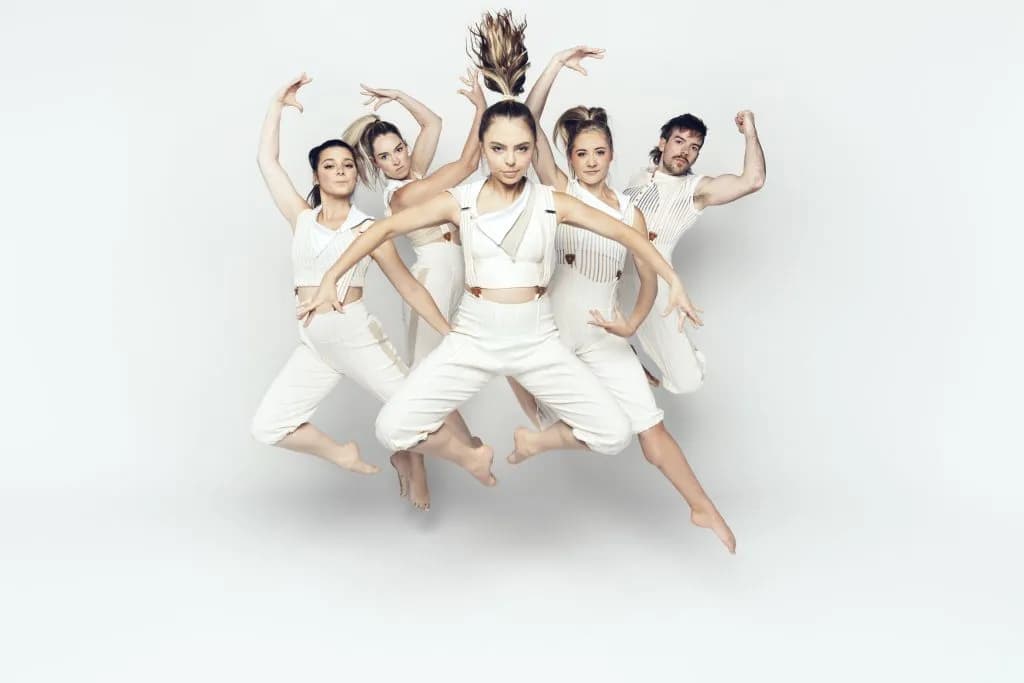
Aspen —On a late August evening, the air in Beaver Creek carries the crisp chill that signals the end of summer. At the Vilar Performing Arts Center, the stage lights cut through the darkness, illuminating the precise, high-energy movements of dancers whose feet strike the floor with percussive force. This is not just a dance; it is a full sensory experience driven by a live four-piece band.
The company bringing this energy to the valley is Trinity Irish Dance Company. Based in Chicago, the group has been active for 35 years, long before Irish dance became a global commercial staple. They arrived at the Vilar on Aug. 28 with just under 20 dancers, offering a performance that stands apart from the formulaic shows that have flooded the market since the rise of "Riverdance."
To hear them tell it, the distinction lies in the integration of music and movement. Chelsea Hoy, the associate artistic director, explained that the band is as central to the experience as the dancers themselves. While they play traditional tunes, the ensemble includes an electric guitar, adding a contemporary edge that mirrors the dancers' dynamic style. Most of the music is original, composed specifically for the choreography.
This approach stems from the vision of founding artistic director Mark Howard. Howard was a record-breaking competitive coach who won America’s first world championship team title, which gave him national media exposure. However, he chose to pivot toward the performing arts to elevate Irish dance as a legitimate artistic form on stage. Hoy noted that Howard created the genre of "progressive Irish dance," which is rooted in ancient traditions but open to unlikely influences, allowing it to exist in the concert dance repertoire.
The question is whether this evolution will resonate with local audiences accustomed to the polished, commercialized versions of the dance. For the nonprofit, the goal is less about self-promotion and more about the future of the art form. As Hoy put it, it’s about what’s next, allowing the traditions to breathe and evolve while remaining accessible to a contemporary audience.
With the show concluded, the focus shifts to the legacy the company leaves behind in the valley. As the dancers exit the stage, the final impression is one of a tradition that refuses to stay static. In the words of the company’s leadership, the goal is to honor the ancestors while allowing the form to remain relevant. That is the promise of Trinity Irish Dance Company: a bridge between the ancient and the modern, built one step at a time.
Keep up with Aspen
The day's Western Slope news, one email each morning. Free.