Trump Imposes 50 Percent Tariff on Canadian Autos and Dairy
President Trump imposed a 50 percent tariff on Canadian autos, alcohol, and dairy Monday under Section 338. The move targets unfair discrimination, excludes energy products, and triggers a 30-day negotiation window before rates take effect.
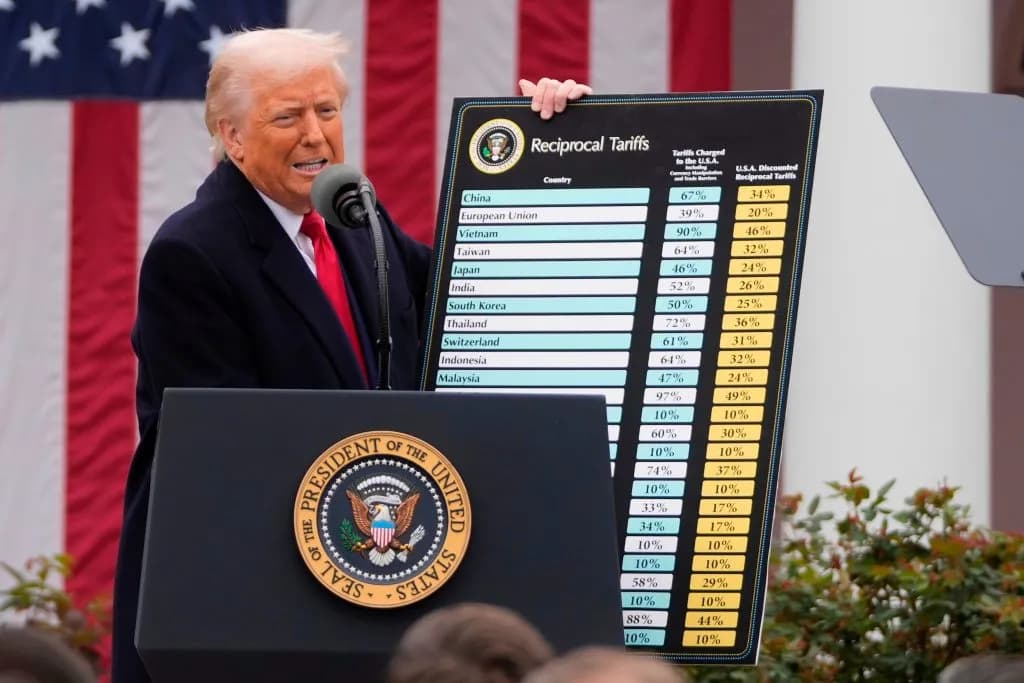
Aspen —President Donald Trump imposed a 50% tariff on most Canadian goods Monday. The move targets autos, alcohol, and dairy products specifically. Trump declared that Canada has unfairly discriminated against American industries in these sectors.
The administration cited Section 338 of the 1930 Trade Act as the legal basis. Trump signed three separate proclamations to launch these tariffs under that section. Several Democratic lawmakers proposed repealing Section 338 last year, arguing it gave the president too much power to destabilize the economy. The White House confirmed the tariffs will go into effect in 30 days.
This timeline allows for negotiation, though Trump has not always followed through on announced tax hikes. The 50% rate applies to goods previously protected by the United States-Mexico-Canada Agreement (USMCA). The U.S. did not renew that 2020 trade pact, triggering new negotiations that could run until 2036.
Energy products are exempt. Potash, fish, and critical minerals also escape the new tax burden.
The economic impact extends beyond the border. Canada was one of the few nations to retaliate against Trump’s previous tariffs. An administration official, speaking on condition of anonymity, stated Canada must be held accountable for that response. The official warned this action could unleash a new wave of economic chaos. Higher inflation is a distinct risk. Relations between the two nations, once closely woven, are fraying further.
Ontario Premier Doug Ford sees a showdown ahead. He posted on social media that if the tariffs proceed, Canada should respond tariff for tariff, dollar for dollar. The Canadian federal government did not immediately comment on the specific announcement.
Candace Laing, CEO of the Canadian Chamber of Commerce, called the Trump administration’s moves “regrettable.” She emphasized the 30-day window. Laing argued both countries need to use this time to make meaningful progress in advancing formal talks.
Scott Lincicome, vice president of general economics at the Cato Institute, offered a starker assessment. He stated that the invocation of Section 338 is the “nuclear option” for Trump tariffs. Lincicome noted that this move injects massive uncertainty into the global economy, threatening partners beyond just Canada.
“We crossed the Rubicon,” Lincicome said.
The tariffs carry political weight for Trump ahead of the November midterm elections. Control of Congress hangs in the balance. His “Liberation Day” tariffs last April provoked a financial market meltdown. Investors feared inflation and recession at the time. That pressure prompted Trump to walk back rates for a period of negotiation.
The Supreme Court ruled in February that Trump had lacked the legal authority to impose those earlier tariffs by declaring an economic emergency. This new action relies on a different statutory path, aiming to avoid the legal pitfalls of last year’s maneuver.
The paper from Vail reported on the announcement from Washington. It highlighted the specific exclusions and the immediate political stakes for the president.
Locals on the Western Slope watch these trade decisions closely. Cheese producers here compete with Canadian imports. Auto parts manufacturers rely on cross-border supply chains. Alcohol distilleries export heavily to the north. A 50% tariff changes the math for every business that moves goods across the border.
The White House fact sheet outlined the scope of the tax increase. It did not detail the exact dollar impact on individual consumers, but the potential for higher prices is clear. The administration insists Canada must pay its share.
Ford’s demand for a dollar-for-dollar response sets the stage for escalation. If Canada retaliates, American farmers and manufacturers will feel it immediately. The 30-day clock is ticking.
The short version: Trump has pulled the trigger on Section 338. He excluded energy and minerals to protect specific domestic interests. He targeted autos, alcohol, and dairy as the primary victims of Canadian discrimination. The question is whether Canada will blink or bite back.
The Supreme Court’s February ruling remains a shadow over the administration’s trade powers. But Section 338 appears robust enough for now.
The tariffs are real. The exemptions are specific. The retaliation is expected. The political stakes are high.
The Vail Daily’s report confirmed the national scope of this local issue. The Western Slope is not isolated in this trade dispute. It is part of the larger economic fabric being rewoven by Trump’s executive actions.
The Supreme Court ruling remains a shadow over the administration’s trade powers. But Section 338 appears robust enough for now.
The tariffs are real. The exemptions are specific. The retaliation is expected. The political stakes are high.
The Vail Daily reported the details from Washington. The facts are set. Now comes the fallout.
Keep up with Aspen
The day's Western Slope news, one email each morning. Free.