Trump Warns Netanyahu as Israel Strikes Beirut Amid Iran Ceasefire Deal
President Trump urges restraint as Israeli strikes on Beirut threaten to derail the imminent U.S.-Iran ceasefire deal, sidelining Prime Minister Netanyahu in the diplomatic process.
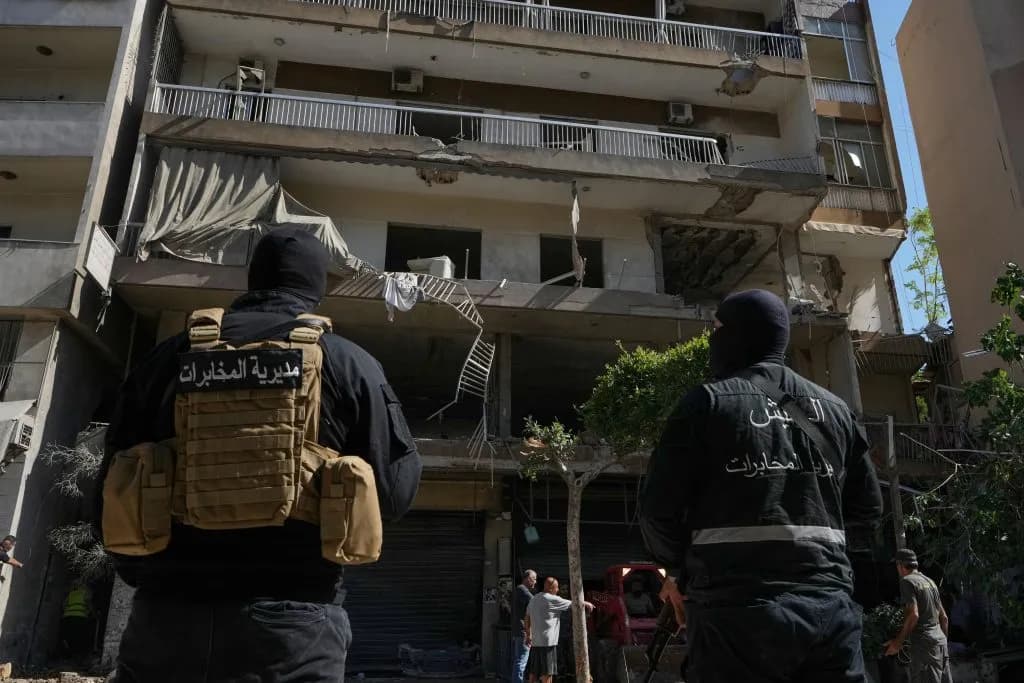
Aspen —The dust hasn’t even settled on the southern suburbs of Beirut when the phone rings in Washington. It’s Sunday, and the air in the city’s residential blocks is thick with the smell of cordite and fresh concrete. A five-story apartment building, shops still buzzing on the ground floor, takes a direct hit. Residents who had dared to return home after weeks of relative calm are sprinting for the exits. Three dead. Sixteen wounded.
And just like that, the fragile thread of peace is pulled tight, threatening to snap.
U.S. President Donald Trump is watching the chaos unfold on his social media feed, and he’s not happy. “Let’s not blow it!” he tweets, a command that feels less like diplomacy and more like a warning shot across the bow. He’s urging no further attacks from anyone, specifically targeting the new strikes on Hezbollah in Beirut that Israel’s military claims were necessary. But the timing is brutal. The strikes threaten to derail a deal to end the U.S.-Iran war before it’s even signed.
Here’s the thing though: Israel has been sidelined.
The emerging ceasefire agreement is being pushed by mediators like Pakistan, not the Israeli government. Prime Minister Benjamin Netanyahu has defied Trump’s orders to stop hitting Lebanon hard, arguing that the three projectiles Hezbollah launched into northern Israel justified the retaliation. Trump, speaking to Fox News, didn’t mince words. He asked Netanyahu what he was doing, using an expletive to drive the point home. The Israeli leader’s office says the strikes were a response to ongoing threats, but Trump sees them as a disruption to an “important process” that is already inches away from completion.
“Iran wants a ceasefire deal to include the fighting in Lebanon,” notes Ebrahim Azizi, who heads the parliament’s national security commission and is close to the top leaders. “A strong response is coming.”
It’s a standoff that locals in the valley, watching the news on their televisions with their morning coffee, recognize all too well. We’ve seen this before. Last time Israel struck Beirut’s suburbs a week ago, it set off the most serious escalation of fighting since the tenuous ceasefire took hold on April 7. Now, the U.N. Secretary-General Antonio Guterres is urging “maximum restraint at this crucial moment,” while Iran’s parliamentary speaker, Mohammad Bagher Qalibaf, warns the U.S. directly.
Trump tells Fox News he expects an agreement with Iran to be signed in the coming hours. He’s asking Tehran not to respond to Israel’s strikes, even as his own military prepares for potential incoming fire. The irony is thick enough to cut with a knife: the man promising peace is watching his allies tear up the map.
Israel’s military says it’s preparing for incoming fire in the coming hours. Hezbollah hasn’t commented immediately, but they fired missiles into Israel on March 2, two days after the U.S. and Israel attacked Iran, sparking this whole mess. Israeli troops have pushed their invasion of Lebanon deeper than at any point in over a quarter century.
The deal itself is a disappointment to Israel’s government, which feels it was left out of the room while Pakistan and others did the heavy lifting. And it’s unclear whether the ceasefire means Israeli forces will actually withdraw from Lebanon. Most of Hezbollah’s attacks in recent weeks have targeted Israeli troops already inside the border, making the geography of peace a moving target.
Trump describes the attack on northern Israel as “very small and meaningless,” claiming nobody was hurt or killed. But the AP photographer on the ground in Beirut sees a different story. He sees the fleeing families. The rubble tells its own tale, one that “meaningless” simply doesn’t capture.
The strikes continue. The warnings fly. And somewhere between the expletives shouted at the Prime Minister and the “strong response” promised by Tehran, the window for peace is narrowing. Not exactly a guarantee. Just a hope, hanging by a thread, over the dust of Beirut.
Keep up with Aspen
The day's Western Slope news, one email each morning. Free.