Steamboat Springs Geothermal Waters Date Back 18000 Years
A USGS study reveals the age and complexity of Steamboat Springs' geothermal waters, with implications for the city's planning and protection of these natural resources.
Steamboat Springs —"I'm amazed by the age of the groundwater," says a local geologist — "2,000 to 18,000 years old, that's what we're talking about." This isn't just any water — it's the ancient geothermal waters beneath Steamboat Springs. The USGS study that uncovered this fact was co-funded by the Tread of Pioneers Museum and the City of Steamboat Springs. Make no mistake, this research is crucial for the city's planning and protection of these natural resources.
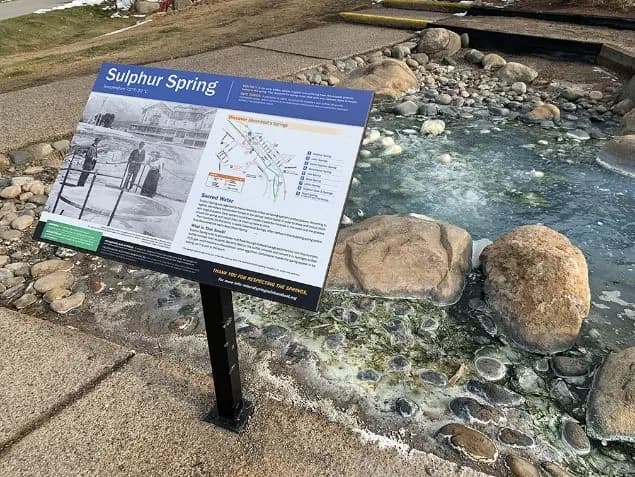
The study began in 2021, seeking answers to key questions: where does the groundwater come from, how long does it take to flow to the springs, and how susceptible is it to human activity? The results showed that some springs, like Black Sulphur Spring, receive water from both deep geothermal sources and shallow aquifers, potentially even the Yampa River. Others, like Sulphur Spring and Steamboat Spring, get their water from a deep geothermal flow path. The short version: these springs are complex, and their water sources are varied.
The age of the groundwater is perhaps the most surprising finding. Using dissolved gases and trace elements, researchers estimated that the water in some springs is up to 18,000 years old. This ancient water may have originated from glacial meltwater in the Park Range during the last ice age. It's worth watching how this discovery will impact our understanding of the region's geological history. When you visit Steamboat Spring, you're essentially looking at water that last saw the open air thousands of years ago; a direct connection to the region's past.
The study also identified the geologic rock likely hosting the geothermal reservoir and how rock exposures control the location of springs. However, many questions remain unanswered. How are the springs along the Yampa River connected to Strawberry Park and Old Town Hot Springs? Why is the water chemistry so different? How deep does the geothermal reservoir extend? These are questions that will require further research to answer.
For locals, this study is more than just an academic exercise - it has real-world implications. The city and its partners need to protect these geothermal resources, and that requires a deep understanding of the underlying systems. As the city moves forward, it will be crucial to consider the potential impacts of human activity on these ancient waters. The community will be watching to see how this research informs future decisions.
In Steamboat Springs, the mineral springs are a beloved part of the town's identity. Visitors come from all over to experience the natural hot springs, and locals rely on them for recreation and relaxation. But beneath the surface, there's a complex system at work. one that's been hidden for thousands of years. As we learn more about this system, we'll need to balance our appreciation for these natural wonders with the need to protect them for future generations.
The USGS study has provided a foundation for understanding the geothermal waters beneath Steamboat Springs. However, there's still much to be learned. The city and its partners will need to continue researching and monitoring these systems to ensure their long-term sustainability. For now, the fact remains: the water in these springs is a tangible connection to the region's ancient past, and it's worth protecting. Read that again: 18,000 years old. That's how long it's been since some of this water last saw the light of day. What does that mean for our understanding of this place, and our responsibility to preserve it?
Keep up with Steamboat Springs
The day's Western Slope news, one email each morning. Free.

NWRM CASA Honors Judge O’Hara and Founders at 15th Anniversary

Craig Hosts Only Regional Special Olympics Bowling Competition