Middle East Tensions May Impact Western Slope Gas Prices
The current situation in the Middle East, involving the US and Iran, may have a direct impact on gas prices and the local economy in Western Slope communities.
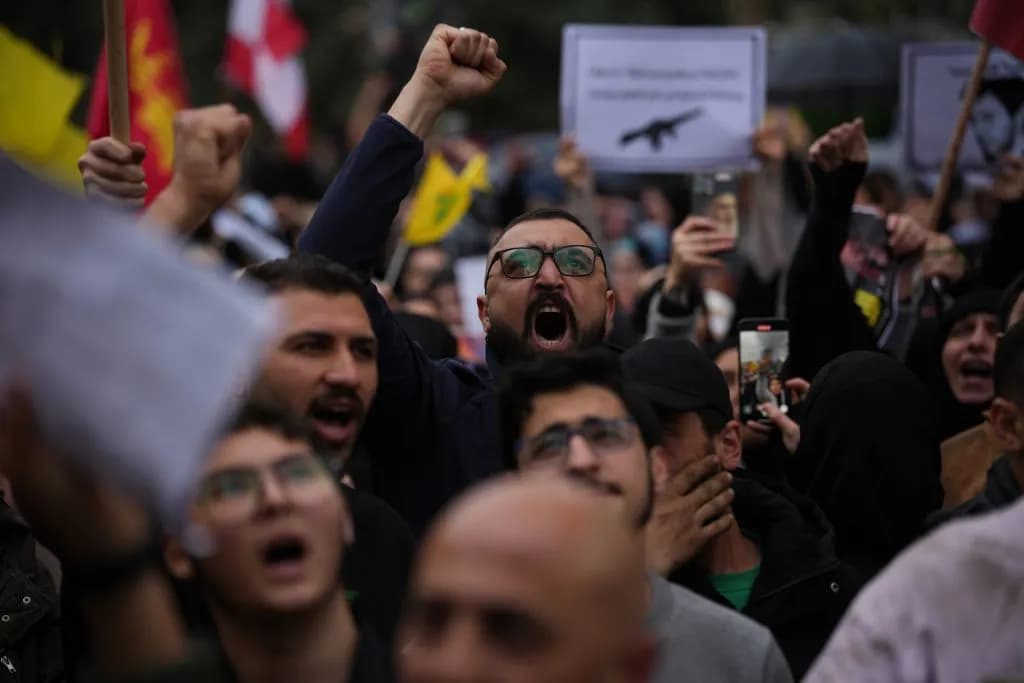
Vail —What does the latest escalation in the Middle East mean for Western Slope residents? Make no mistake, the answer isn't simple. The current situation involves high-stakes talks between the US and Iran, with Israel and Hezbollah trading fire in the background.
US Vice President JD Vance is heading to Pakistan for these talks, but the outcome is far from certain. Iran's demands — including a ceasefire in Lebanon and the release of blocked Iranian assets — must be met before negotiations can begin. The Iranian delegation, led by Parliament Speaker Mohammad Bagher Qalibaf, has made this clear.
The short version: these talks are crucial, and their success or failure will impact global oil prices. That's what Western Slope residents need to know. The Strait of Hormuz, a critical waterway, is currently under Tehran's control. Any disruption to oil shipments through this strait would affect gas prices in the US, including at pumps in Grand Junction and Montrose.
Read that again: 20% of the world's traded oil once passed through the Strait of Hormuz. That's a significant portion of global oil supply. If the situation escalates, and oil shipments are disrupted, it will cost locals more to fill up their tanks. That's a direct impact on the local economy.
Kuwait has already reported seven drone attacks, which it blames on Iran and its allies. The Revolutionary Guard has denied launching these attacks, but it has carried out similar assaults in the past without claiming responsibility. This escalation is worth watching, as it could draw in more countries and lead to further instability in the region.
The US has been trying to facilitate negotiations between Israel and Lebanon, with talks expected to begin next week in Washington. However, Israel's insistence that the ceasefire in Iran does not include a pause in its fighting with Hezbollah has threatened to sink the deal. The situation is complex, with multiple parties and interests involved.
Vance has stated that he believes the negotiations with Iran will be "positive," but he also warned that the US will not be receptive to any attempts by Iran to "play" them. The Iranian delegation, on the other hand, has made it clear that it will not negotiate without its preconditions being met.
The security situation in Islamabad, where the talks are taking place, is also a concern. The Pakistani capital has been locked down, with barricades erected along routes from the airport to the city. This is a high-stakes situation, and the outcome is far from certain.
What's not being said is how the US plans to address Iran's demands, particularly the release of blocked Iranian assets. This is a critical issue, as it could impact the success of the negotiations. The US has been clear that it will not be swayed by Iran's attempts to restrict ship traffic in the Strait of Hormuz, but it has not provided a clear plan for addressing the other issues on the table.
The situation in the Middle East is complex, and the outcome of these talks is uncertain. The success or failure of these negotiations will have a direct impact on people in the valley. The question is, what will that impact look like?
Local Implications
The potential disruption to oil shipments through the Strait of Hormuz is a concern. The region is already experiencing high gas prices, and any further increase could have a significant impact on the local economy. The cost of goods and services could rise, affecting businesses and individuals alike.
The situation is fluid, and the outcome of the talks is uncertain. However, the outcome of these negotiations is crucial, and its consequences will be felt by the community. The question is, what will happen next? Will the US and Iran be able to reach a deal, or will the situation escalate further? The answer to that question will have a direct impact on gas prices and the economy.
For now, the situation remains uncertain. The US and Iran are engaged in high-stakes talks, with the outcome hanging in the balance. The potential consequences of failure are significant, and the success of these negotiations is crucial. The question is, what's at stake? The answer is, a lot.
Keep up with Vail
The day's Western Slope news, one email each morning. Free.