Western Slope Economy Faces Threats from US-Iran Conflict
The escalating US-Iran conflict is expected to have a significant impact on the Western Slope's economy, particularly in the agriculture and trade sectors. Local communities are bracing for higher prices, lower profits, and potential trade disruptions.
Vail —Standing at the edge of the Grand Mesa, the largest flat-top mountain in the world, you can see the Western Slope stretching out before you — a vast expanse of rugged landscape and small towns that rely heavily on agriculture and tourism. But the conflict between the US and Iran is already being felt here, and locals are bracing for the worst. The Trump administration's warning of new economic sanctions on countries doing business with Iran will likely have a ripple effect on the global economy, and the Western Slope's rural communities will be particularly vulnerable.
The US naval blockade of Iranian ports, now in its third day, is a stark reminder of the escalating tensions between the two nations. The blockade will disrupt global oil supplies, driving up prices and affecting everything from the cost of gas to the price of goods at local stores. For folks around here, that means higher prices at the pump and potentially lower profits for farmers and ranchers who rely on fuel to run their operations. Make no mistake, the economic pain will be felt from Delta to Montrose, and everywhere in between.
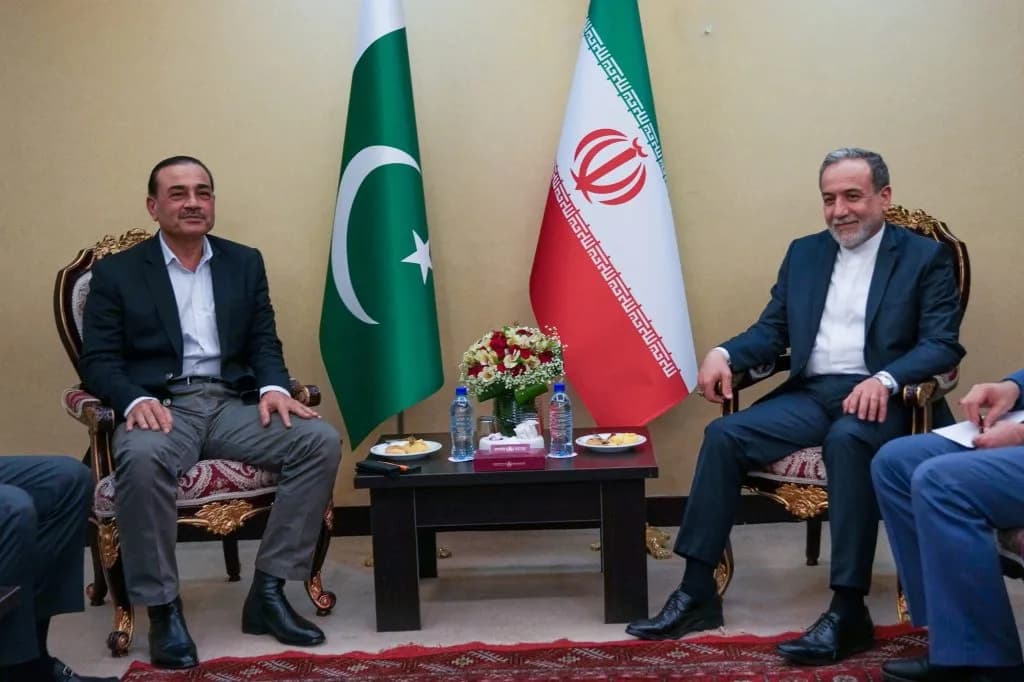
Pakistan's emergence as a key mediator in the conflict offers a glimmer of hope, but the fact that the US and Iran are still negotiating the terms of a ceasefire is a clear indication that the situation remains volatile. The White House's warning to countries and private companies that they could face sanctions for doing business with Tehran will only exacerbate the problem, making it harder for local businesses to import and export goods. The short version: the Western Slope's economy is heavily reliant on international trade, and the US-Iran conflict is a major threat to that trade.
As the conflict continues to simmer, the Western Slope will face significant economic challenges. The region's agricultural industry, which is a significant contributor to the local economy, will be particularly hard hit. Higher fuel prices, combined with the potential for trade disruptions, could lead to lower profits for farmers and ranchers. That's what Delta County spends on road maintenance in a year — and it's a stark reminder of the economic stakes.
Read that again: the US Treasury Secretary has warned countries and private companies that they could face sanctions for doing business with Tehran. That's a clear indication that the Trump administration is willing to use economic coercion to achieve its goals, and it's a strategy that will have far-reaching consequences for the global economy. For people in the valley, it means higher prices, lower profits, and a potentially devastating impact on the local economy.
The fact that mediators are pushing for a compromise on three main sticking points, Iran's nuclear program, the Strait of Hormuz, and compensation for wartime damages; is a positive development, but it's unclear whether a deal can be reached before the ceasefire expires next week. The commander of Iran's joint military command has threatened to halt trade in the region if the US does not lift its naval blockade, which would have a catastrophic impact on the global economy. Worth watching: the situation in the Middle East, and the potential for further escalation.
As the situation continues to unfold, one thing is clear becomes: the US-Iran conflict will have lasting effects on the Western Slope. The Western Slope's rural communities will be particularly vulnerable, and it's unclear whether the region's economy can withstand the shock. The community will be looking to local leaders for guidance and support, but so far, there's been little comment from officials on the potential impact of the conflict. That's a silence that speaks volumes - and it's a reminder that the economic pain of this conflict will be felt by everyone, from the farmers and ranchers who work the land to the small business owners who rely on international trade to stay afloat.
Keep up with Vail
The day's Western Slope news, one email each morning. Free.