US-Iran Deal Opens Strait of Hormuz for Two Months
Analysis of the US-Iran interim agreement, highlighting the toll-free opening of the Strait of Hormuz and its immediate impact on global oil prices and local economies.
Aspen —The question isn’t whether the U.S. and Iran have agreed to a deal. The question is whether this deal actually stops the war, or just pauses it.
It’s easy to look at the headline — “US officials say Iran deal calls for diluting uranium at minimum, waiving sanctions, opening strait” — and assume we’re looking at a victory for diplomacy. But if you read the fine print, the narrative flips. The U.S. and Iran have agreed to a temporary ceasefire that offers Iran immediate, tangible benefits while leaving the core threat of its nuclear program largely intact.
The draft agreement, which U.S. officials dictated to journalists and Iranian state TV later confirmed, requires Tehran to dilute its stockpile of highly enriched uranium. That’s a start. But it’s a minimum requirement. The deal doesn’t force Iran to remove the material, just downgrade it on site. In return, the U.S. will waive, but not permanently end, wide-ranging sanctions.
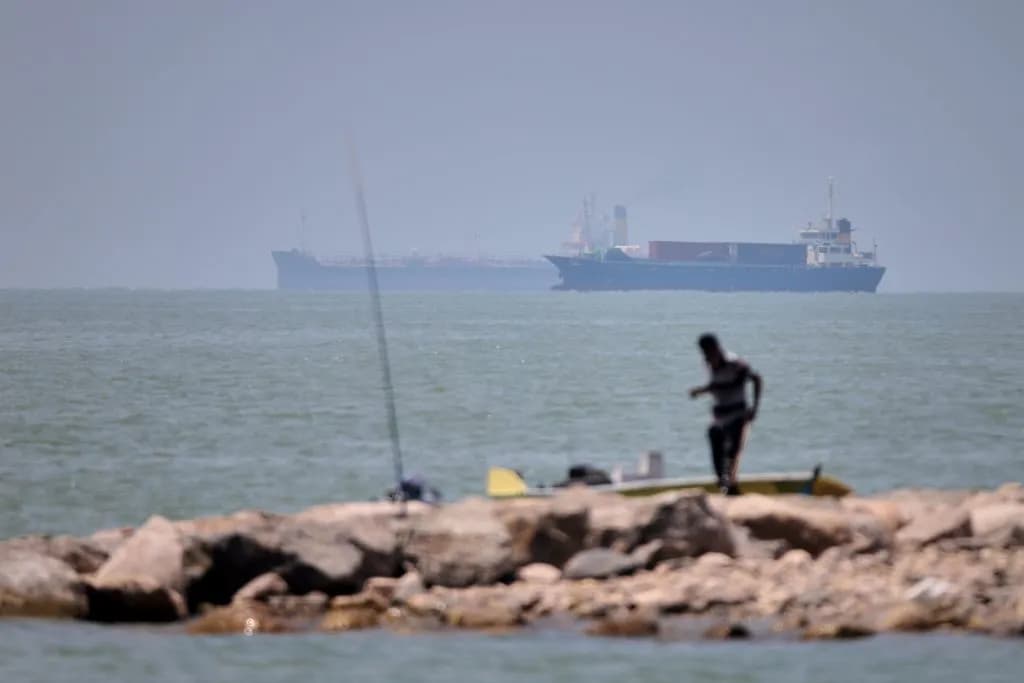
Here’s the kicker: the deal opens the Strait of Hormuz toll-free for two months.
That’s not just a geopolitical gesture. That’s a direct impact on global oil prices, which means it’s an impact on the gas pump in Delta and the cost of hauling freight down U-6. The choke point for roughly 20% of the world’s oil supply is now toll-free for 60 days. And it’s temporary. The document explicitly states it does not preclude fees in the future.
The agreement also addresses the conflict in Lebanon, affirming a commitment to the country’s territorial integrity in the face of Israel’s invasion of Hezbollah. It mandates that military operations in Lebanon must stop with the signing of the memorandum. Israel has already rejected the prospect of withdrawing, creating an immediate friction point. But the text is clear: stop the fighting, sign the paper.
Iranian President Masoud Pezeshkian and U.S. President Donald Trump are expected to sign this document. A signing ceremony would be historic. Diplomatic relations broke off in 1980 over the U.S. Embassy hostage crisis. We’re talking about 45 years of frozen relations being thawed by ink on a page.
But Trump himself cast uncertainty on the whole thing. When asked how confident he was that the ceremony would take place, he didn’t give a straight answer.
“You never know with deals, do you? But you’re going to find out pretty soon,” Trump said.
That’s the human angle. It’s not just about uranium or straits. It’s about two leaders who have to sell this to their respective publics. The U.S. went to war with Iran on Feb. 28, in part to prevent a nuclear weapon. This interim deal stops the war before that goal is secured. It opens a two-month period for further nuclear negotiations. It offers Iran several benefits up front, free oil sales, waived sanctions; while extracting little in return beyond the dilution of uranium.
The Obama-era nuclear agreement that Trump pulled out of in his first term had stricter restrictions. This deal is looser. It’s an interim fix. It’s a pause button, not a stop button.
The data supports that assessment. The U.S. agreement to immediately allow Iran to sell its oil freely is a major concession. It goes beyond the terms of Iran’s 2015 nuclear deal. The U.S. is betting that these immediate benefits will keep Iran in check for the next two months while they figure out the permanent solution.
That remains to be seen. The deal doesn’t eliminate the threat. It just delays it. And for folks around here watching the markets, the Strait of Hormuz opening toll-free is a signal that oil prices might dip, at least for a moment. But when those two months are up, and the tolls come back, we’ll be right back where we started.
“The U.S. will move to waive, but not eliminate, some wide-ranging sanctions against Iran once the deal is signed,” the officials said. It’s a waiver, not a repeal. It’s a temporary reprieve. And it’s all we’ve got for now.
Keep up with Aspen
The day's Western Slope news, one email each morning. Free.
The digital counter on the side of the bus in Carbondale ticks over, but the seats inside are half-empty

Eagle County Launches Aging Well Roadmap To Keep Seniors Housed