Vail Author Guides Families to Locate Deceased Estate Documents
Robbins outlines methods for locating wills, deeds, and policies in safe-deposit boxes and home offices to help Vail families navigate estate logistics without falling victim to scams.
Aspen —The dust motes dancing in the late afternoon light of a Vail home office tell you something about the person who lived there, but they don’t tell you where their life’s paperwork is hiding. If you’re standing in that office, holding a box of photographs and wondering where the deed to the house or the life insurance policy might be, you’re asking the right question. Where do you look when the person who owned these things is gone, and how do you get past the bank’s locked gates to find them?
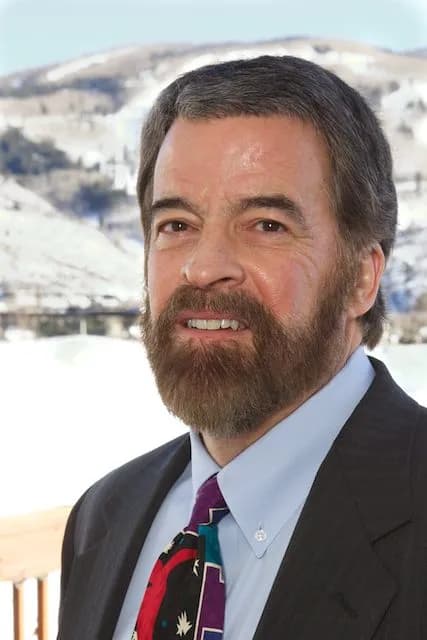
According to a recent opinion piece by Robbins in the Vail Daily, the answer lies in a methodical hunt through safe-deposit boxes, home offices, and even glove compartments. This is the third installment in a three-part series on navigating death’s legal logistics, and it focuses squarely on locating the documents that allow an estate to move forward.
The most immediate hurdle is often the bank’s safe-deposit box. Robbins notes that if the deceased was the sole owner, access can be tricky. While a spouse or someone whose name is on the box might walk in and out freely, an agent holding a power of attorney loses that authority at the moment of death. However, an heir or beneficiary under a will has a specific right to ask the bank for access. The goal here isn’t to empty the box, but to locate the will, a deed to a burial plot, or specific burial instructions. A bank representative usually accompanies you during this initial retrieval, ensuring the process remains secure. Once those key documents are removed and filed with the court, a personal representative is appointed, unlocking full access to the rest of the box’s contents.
But what if the will isn’t in the box? Robbins suggests looking broadly, because important papers often migrate. They might be tucked into a desk drawer at home, sitting on an office shelf, or riding in the glove box of a car. They could be with the deceased’s attorney, accountant, or financial adviser, or perhaps held by a trusted friend who knows where the important stuff is.
The list of potential documents is extensive, ranging from life insurance policies and pension statements to military records, stock certificates, and even unpaid bills. Robbins emphasizes that you shouldn’t overlook the digital realm; reviewing computer records can yield a "rich trove" of information, provided you have the passwords. It’s a modern twist on an old search: finding house keys, car keys, and safe-deposit box keys alongside the paper trails.
There is a practical warmth to this advice, though it comes with a warning. Robbins points out that scams are aplenty when someone dies, so if you are being solicited by strangers rather than reaching out to known entities yourself, you should proceed with caution.
As the sun sets over the valley, casting long shadows across the desk where you’re sorting through these stacks of paper, remember that clarity comes from looking in all the right places. The estate isn’t just assets; it’s a story written in deeds, policies, and passwords, waiting to be filed.
Keep up with Aspen
The day's Western Slope news, one email each morning. Free.