Vail Expert Teaches How To Harness Unconscious Dreams
Sleep expert Andrew Holecek told a Vail audience that 95% of human behavior is driven by unconscious processes. He shared specific meditation rituals designed to turn nightly rest into a tool for spiritual and creative awakening.
Aspen —Henry David Thoreau said it best: “Our truest life is when we are in dreams awake.”
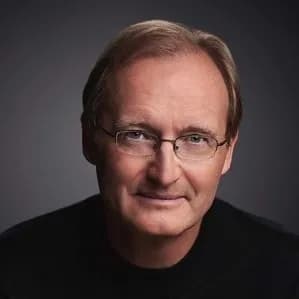
He was onto something. According to Andrew Holecek, a dream expert and author of nine books, about 95% of what we do is dictated by unconscious processes. His job? Teach us how to harness them.
On Sept. 10, Vail Symposium hosted Holecek for the final summer session. He didn’t just talk about sleep. He talked about optimizing it.
“The short version,” Holecek said at the event, “is that we are basically sitting — sleeping — on top of a vast untapped natural resource. Dream itself is code language really for manifestation of the mind.”
Read that again. Code language.
Holecek isn’t a new age guru. He’s a member of the American Academy of Sleep Medicine. He’s a research consultant for the Cognitive Neuroscience Program at Northwestern University. He’s spent almost 30 years practicing non-dual traditions and completed the traditional Buddhist three-year meditation retreat. He blends Tibetan Buddhist traditions with contemporary science.
At the symposium, he broke down his “Five Nocturnal Meditations.” These are rituals he created to turn sleep into spiritual awakening. He focused on the first two: liminal dreaming and lucid dreaming.
Liminal dreaming happens at the edge of falling asleep. It’s that moment when your brain relaxes and your mind becomes fluid. Holecek says this state allows for more creative thinking.
Inventors like Thomas Edison and artists like Salvador Dali practiced this. They would nap while holding objects. When they dozed off, the object would fall, waking them up just in time to capture their ideas.
“This is a magnificent dimension where you can work with creativity,” Holecek said.
Then there’s lucid dreaming. This is when you’re fully asleep, but you recognize that you’re dreaming. Holecek says this brings you to a new level of consciousness.
Non-lucid dreaming has downsides. If you’re having a nightmare and you mistake the dream for reality, it creates suffering. But when you realize the nightmare isn’t real, liberation follows.
Make no mistake: this isn’t just about better sleep. It’s about changing how you think during the day by changing how you act at night.
Holecek’s work is worth watching. He’s not selling a product. He’s offering a practice. And in a world that treats sleep as downtime, treating it as a resource is a radical idea. For folks in the valley, where the quiet of the mountains often makes the mind louder, that shift in perspective might be the most valuable takeaway of the season.
The Vail Symposium is over. But the night isn’t.
Keep up with Aspen
The day's Western Slope news, one email each morning. Free.