Vail Fire Department Updates Evacuation Plan and Promotes Fire Free Five
Vail Fire Department's Paul Cada outlines the updated 2025 evacuation plan, identifying shelters for I-70 traffic and promoting the 'Fire Free Five' defensible space strategy to protect homes during wildfire season.
Aspen —Have you ever stood on your porch in late July, watching the heat shimmer off the asphalt of I-70, and wondered if the smoke drifting in from the west would actually reach your driveway? It’s a specific kind of anxiety that settles into the bones of anyone who has lived through a low-snow winter followed by a hot, dry summer. The answer isn’t found in panic, but in preparation, and right now, the Vail Fire Department is urging neighbors to stop worrying and start signing up for alerts.
Paul Cada, the Vail Fire Department’s Wildland Program Manager, laid this out during a recent presentation to the Vail Town Council. He didn’t mince words. Evacuation is on everybody’s mind, he noted, but the actual mechanics of getting out are simpler than the dread suggests. You get to the highway, and you go away from the hazard. It sounds almost too basic, yet Cada acknowledged that “it’s easier said than done” when you’re dealing with the specific bottleneck of Interstate 70. He warned that traffic can go from flowing smoothly to absolute gridlock in a heartbeat, but it remains the best route in and out.
The town’s evacuation plan, which had been dormant for a decade, was updated in 2025 to reflect the brutal reality of modern fire behavior. Cada pointed to the extreme conditions seen in Maui and California, noting that a significant fire in Vail could grow catastrophically large in a very short period. To mitigate the chaos, the updated plan identifies specific evacuation shelters: those heading east will find refuge at the Silverthorne Recreation Center, while those moving west will head to the Eagle County Fairgrounds.
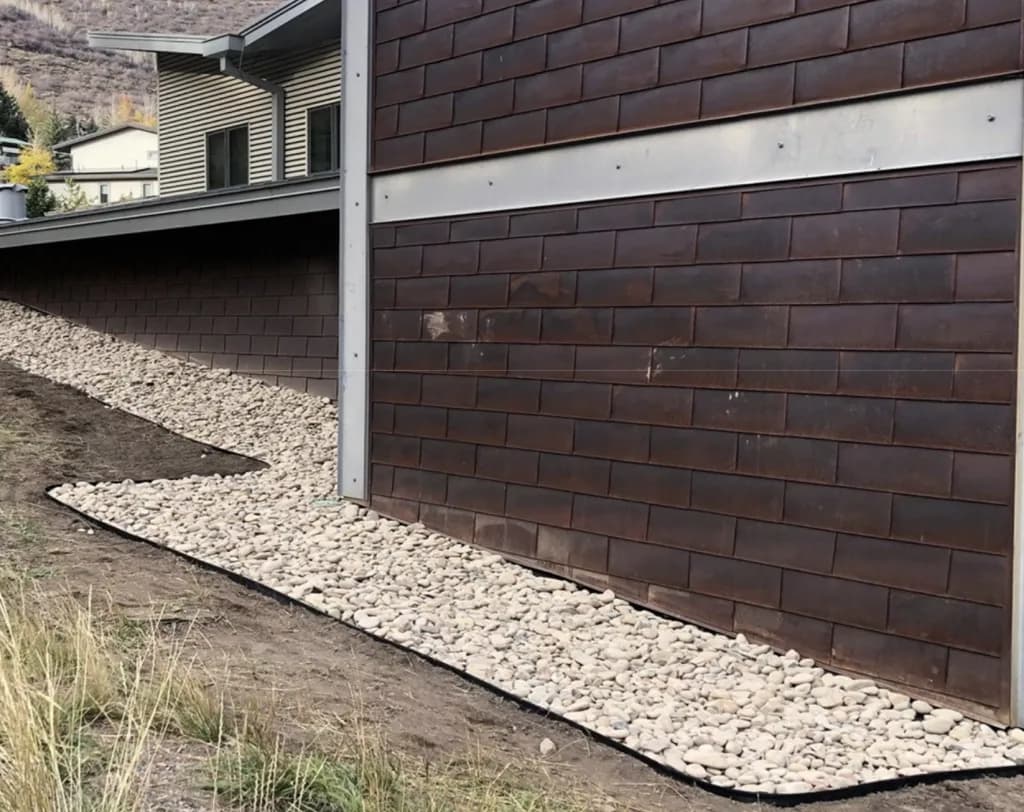
But the real work happens before the alarm sounds. Cada stressed that homeowners can drastically increase their chances of survival by focusing on preventative maintenance. The core of this effort is the “Fire Free Five” concept — creating a fuel-free space of five feet around every home. This isn’t just about aesthetics; it’s about removing the kindling that turns a manageable flame into an inferno. Residents are encouraged to pick up leaves, clear yard debris, and clean out their gutters, tasks the town is ready to help facilitate.
If you look closely at the numbers, the need for personal responsibility becomes stark. Eagle County has 10 staffed fire engines operating 365 days a year across its entire jurisdiction. With 5,000 structures just in Vail, the math doesn’t always favor the individual home if the fire moves fast. However, the system is bolstered by the Mountain Area Mutual Aid network, pulling in resources from the U.S. Forest Service and other local departments. Cada, who coordinates the joint fire suppression module, credited retiring Chief Mark Novak for building a system robust enough to allow Vail firefighters to respond nationally for critical training.
For those who want to take it a step further, the town offers curbside evaluations. Residents can email [email protected] to schedule a visit with a wildfire professional who will evaluate the defensible space around their property. It’s a tangible way to ensure that when the wind picks up and the air turns crisp with the scent of distant smoke, your home has the best possible chance of standing firm. The goal is preparedness, not panic, and it starts with a simple action: signing up for Eagle County Alerts.
Outside, the late afternoon light hits the dry grass on the hillsides, turning it a brittle, golden yellow, waiting for just one spark to change the color of the sky.
Keep up with Aspen
The day's Western Slope news, one email each morning. Free.