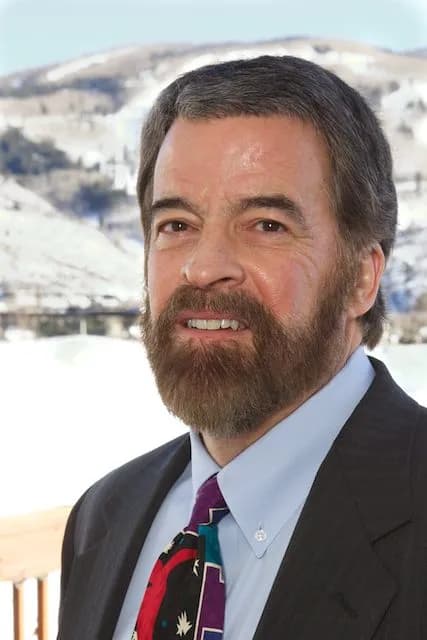
Vail Leadership Alliance President Emphasizes Execution Discipline
John Horan-Kates argues that true leadership requires executing commitments, not just planning them. The Vail Leadership Alliance president highlights the discipline of finishing what is started to bridge the gap between intention and results.
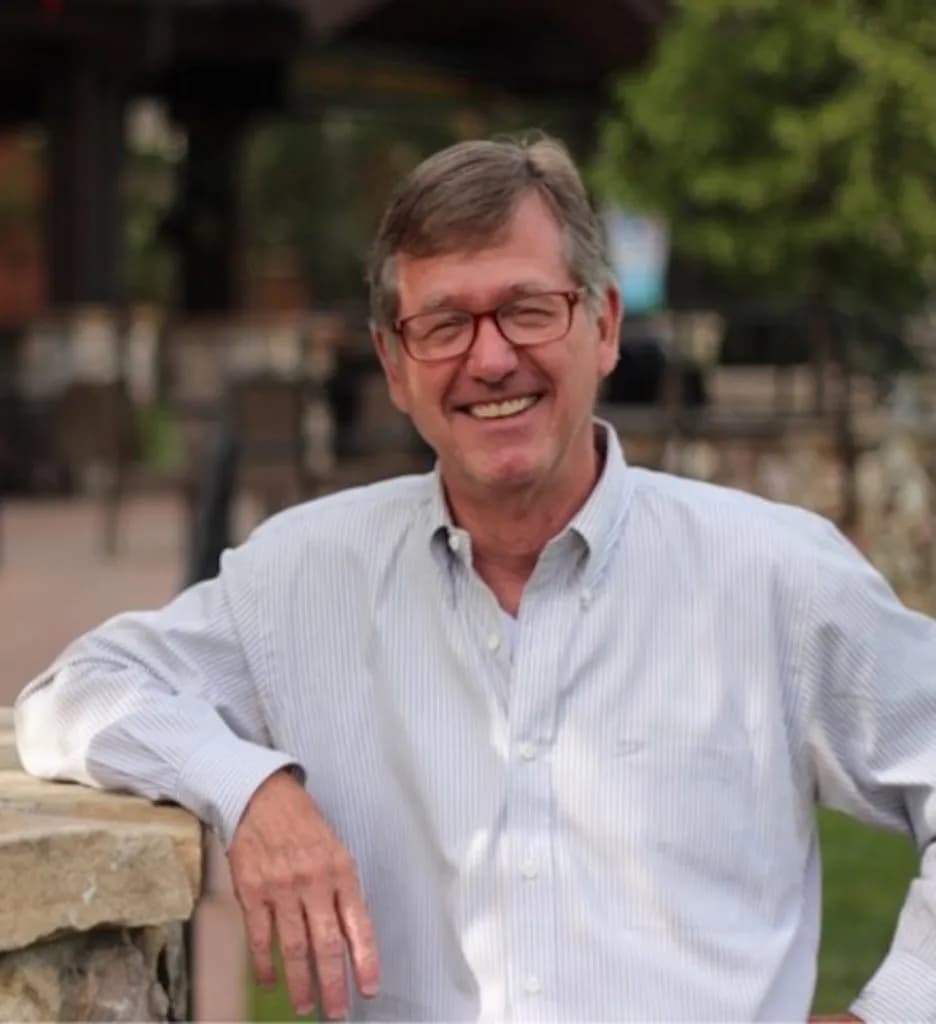
Aspen —The morning light on the Western Slope has a way of stripping away the pretense, revealing the rough-hewn edges of the landscape just as it reveals the gaps between our intentions and our actions. You can feel it in the crisp air of Edwards, where the Vail Leadership Alliance operates, that quiet tension between the promise of a plan and the gritty reality of getting it done. It is a place where leadership isn’t just about grand visions painted on whiteboards, but about the systematic process of producing results, of having a bias for action tied to accountability.
John Horan-Kates, president of the Vail Leadership Alliance, writes in the Vail Daily that this discipline of executing is often the missing link in our local narrative. He defines it simply: if purpose is your “why” and vision is your “what,” then executing is your “how.” It is the blocking and tackling of leadership, the relatively straightforward stuff that is definitely not always easy. As Horan-Kates notes, it closes the gap between promises and results, ensuring that we get the right things done for the right reasons.
There’s a warmth to the idea of execution, but it comes with a rough edge. We are often held back by the excuse of what might happen, a sentiment Henry Kissinger once used to describe why we don’t do what can happen. In a community that prides itself on initiative, there is a tendency to be excellent at starting things — launching a new project, kicking off a new service, taking that first bold step. But often, we get about two-thirds down the road and then something else grabs our attention. Maybe it’s the next big idea or even the next crisis. We leave projects unfinished, and in doing so, we leave our commitments half-formed.
Horan-Kates asks us to reflect on this. What would it say about who we are if we could complete things completely? It ties back to commitment, to the movement from intention to action. It requires patient planning, initiating, following up, and finally, completing. It is not enough to analyze information or apply reasonable logic; we must also seek wise counsel from trusted colleagues, friends, or family, and then decide quickly according to our values.
The real test lies in the details. Bob Vanourek offered one of the best descriptors of executing when he said, “It’s about focusing on who’s doing what by when.” This isn’t abstract philosophy; it’s the practical work of ensuring that the promise is kept. For the folks in Eagle County high schools, who are currently engaging with this concept through the “Exploring Potential” character development program, the lesson is clear. Leadership without the discipline of execution is incomplete and ineffective. Without the ability to execute, all other attributes of leadership become hollow, as Larry Bossidy and Ram Charan noted in their book Execution.
So, what approach or process do you use to execute on your commitments? Do you let the next crisis pull you off course, or do you stay the course? The answer lies in the quiet discipline of finishing what you started, in the understanding that true leadership is measured not by how loudly you announce a plan, but by how thoroughly you deliver it.
Outside the office in Edwards, the wind moves through the aspen trees, a constant reminder that nature does not announce its seasons; it simply executes them, day by day, until the work is done.
Keep up with Aspen
The day's Western Slope news, one email each morning. Free.