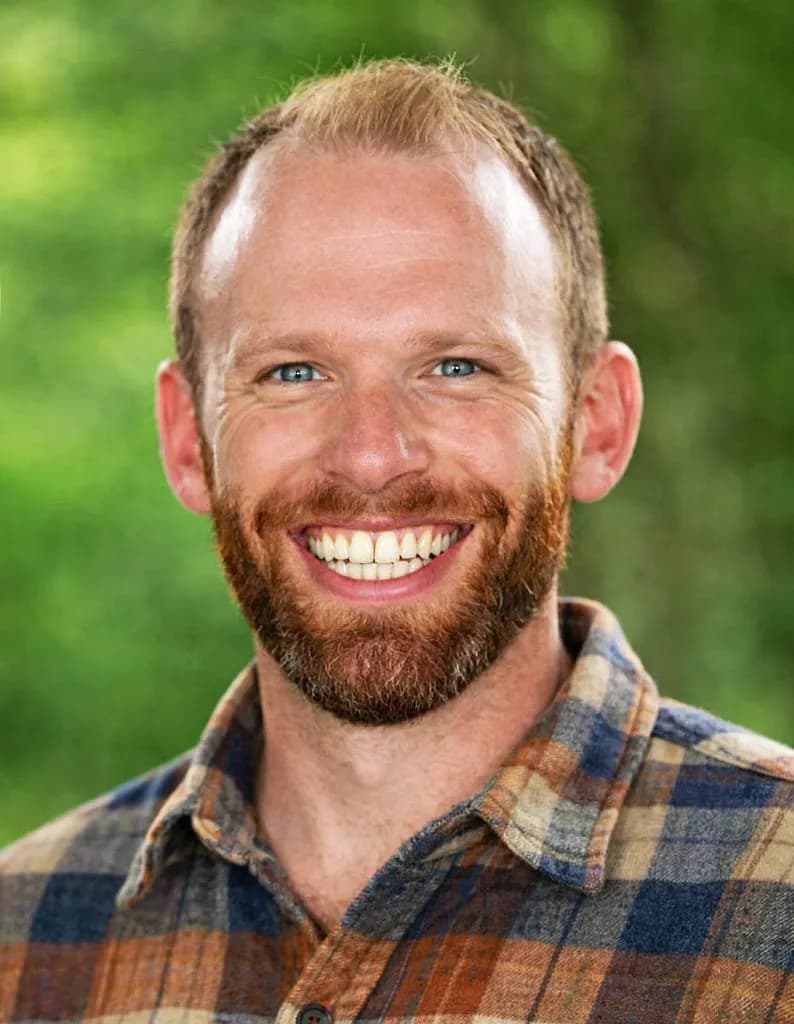
Vail Navy Officer John Hinmon Dies at 84
John Hinmon, a Vail Navy officer and ski patroller who arrived in 1966, died at home in Lake Creek at age 84. He is remembered for building the valley's leisure infrastructure and guiding generations.

Aspen —John Sanford Hinmon died at home in Lake Creek on May 23, 2026. He was 84.
The obituary reads like a resume for the ideal Western Slope native. It’s the kind of biography locals love to quote when they need to prove this valley produces a certain breed of person. Outdoors. Loyal. Capable.
Hinmon didn’t just live here. He helped build the infrastructure of leisure that defines the region.
He arrived in 1966. He drove a Volkswagen Bus from New York to Vail because his father told him to stop by the newly opened ski area. He liked it. He stayed.
That was the pivot point. He went from Navy officer to ski patroller. He went from a man who wanted the smallest ship to a man who built a life at 8,000 feet.
Consider the timeline. Vail opened in 1962. Hinmon arrived four years later. He didn’t wait for the resort to mature. He worked as the “teeny-bopper-stopper” at The Golden Ski Bar at The Lodge at Vail in 1967. That’s a specific job title for a specific era. It implies he was young, fit, and trusted to manage the crowd.
He didn’t stop there. He worked as a wrangler at Winchester Stables in East Vail that same summer. By that fall, he joined Sgt. Brown’s Pack-a-Mountain trail crew. That’s manual labor. That’s building the roads and trails that make the valley accessible. By January 1968, he was on the Vail Ski Patrol.
He spent the next 36 years patrolling in winter and guiding fly fishing trips in summer.
That is a long time. That is a career.
He met his wife, Hatsie Hoffman, in 1974. She was a Jeep guide. He was guiding white water raft trips. They married two years later. They built a home called Bear Camp in West Lake Creek. They raised two children, Sprague and Peter. They added three grandchildren: Wells, Kingsley, and Finnley.
The obituary lists the activities. Skiing. Mountain biking. Hiking. Fishing. Camping. Traveling. Playing the banjo. Tinkering.
It sounds idyllic. It was. But it required work. It required the kind of physical endurance that doesn’t show up in press releases about tourism growth.
Hinmon was born in Pasadena, California. He moved to White Plains, New York, at age seven. His parents were Donald Leroy Hinmon and Beatrice Bernick Hinmon. He had a brother, Donald Jr., and a sister, Mary Kenny. They skied. They golfed. They rebuilt hot-rods. They fished at Half Moon Cove on Grand Lake Stream, Maine.
The military service is worth noting. He graduated from Bucknell University in 1963. He completed Officer Candidate School in Newport, Rhode Island. He served aboard the USS Forrestal, the largest aircraft carrier of its time. He asked to be assigned to the smallest ship. He got the USS Virgo instead, serving as a Nuclear Weapons Officer. The ship was being reconstructed for the Vietnam War. He was discharged as a Lieutenant Junior Grade in 1966.
He drove home in a VW Bus. He stopped in Vail. He stayed.
The community lost a foundational figure. Hinmon wasn’t just a resident. He was part of the mechanism that kept the valley running. He patrolled the slopes. He guided the rivers. He built the trails.
A celebration of life will be held this summer. Donations can go to the Eagle Valley Land Trust. That’s a logical choice. It protects the land he spent his life enjoying.
The short version: Hinmon came for a visit. He decided to stay. He worked. He built a family. He died in the place he chose.
The question isn’t whether he was a good neighbor. The obituary makes that clear. The question is what happens to the institutions he helped create when the people who built them are gone.
Hinmon is gone. The slopes remain. The river flows. The banjo is quiet.
Keep up with Aspen
The day's Western Slope news, one email each morning. Free.