Vail Pioneer Jim Clarke Kept Mountain Connected by Climbing Trees
Vail pioneer Jim Clarke, who died November 18 at age 88, kept the resort connected by climbing lodgepole pines to splice telephone wires during Vail's 1963 opening.
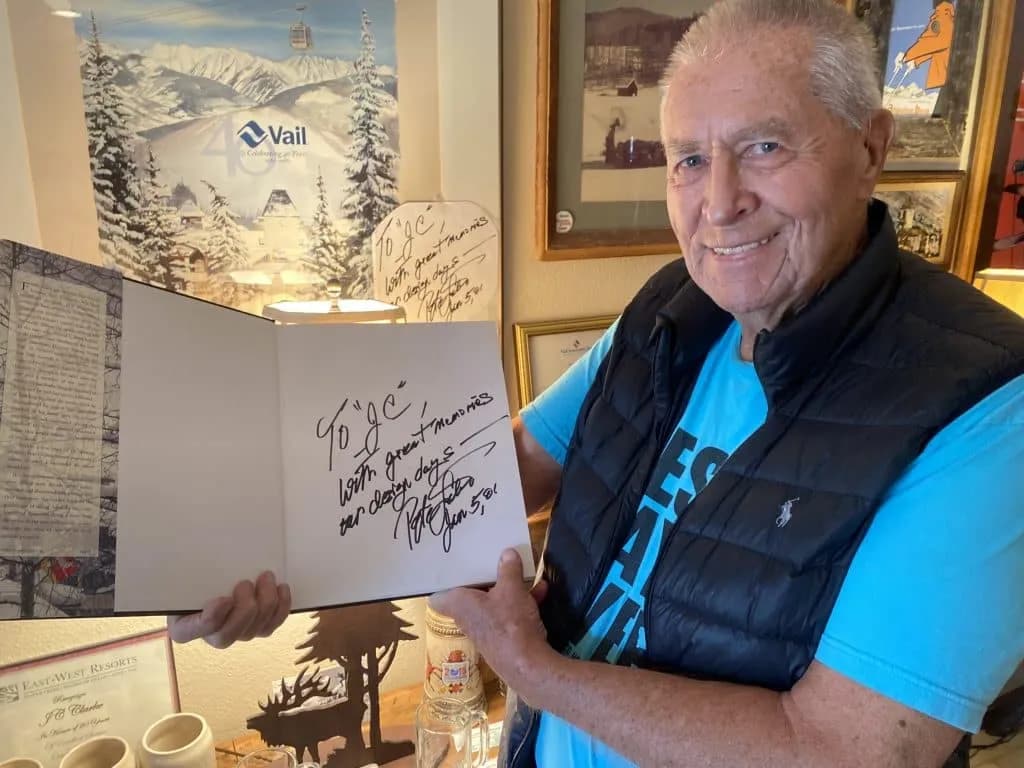
Aspen —The obvious story about Jim “JC” Clarke is that he was a pioneer. He worked for Vail Ski Patrol on its opening day in 1963. He climbed trees. He fixed wires. That’s the highlight reel.
But to hear him tell it, Clarke wasn’t just climbing trees because he had to be part of the scenery. He was doing it because the communication system holding Vail together was literally hanging by a thread — and that thread was attached to trees that refused to stay still.
The question is whether we remember the glamour of the opening ceremony or the grit of the daily maintenance. Clarke’s account, preserved in the Vail Valley Voices Collection and reported by Tony Mauro of the Vail Daily, suggests we’ve been focusing on the wrong thing. The real achievement wasn’t the ribbon-cutting with federal dignitaries; it was keeping the phones working while the wind blew them out of alignment.
Clarke, who passed away on November 18, 2025, at age 88, described a job that required being a “jack-of-all-trades.” His first day on the job coincided with Vail’s opening day ceremony on January 19, 1963. While officials cut ribbons, Clarke’s colleagues were using blowtorches to unfreeze equipment.
“Ski patrol personnel of that era needed to be game for new experiences,” Mauro noted in his reporting.
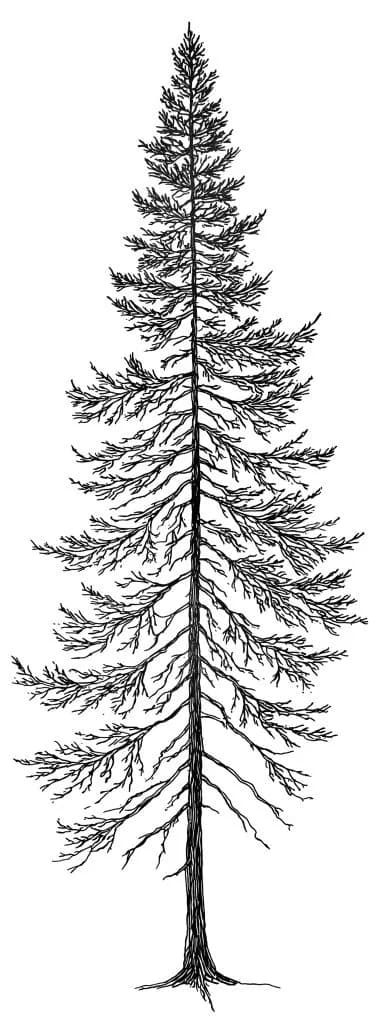
Clarke’s specific assignment was repairing the first telephone lines on Vail Mountain. These weren’t modern fiber optics. They were wires strung between lodgepole pines.
“So, I got hired and we started working there,” Clarke recalled in a 2022 interview. “We’d all be assigned jobs for that morning... one of the jobs that I got assigned to was repairing the telephone lines.”
The system relied on Ben High, an electrician and the only one with the ski company. High would assign Clarke to climb.
“Ben would say to me, ‘OK, Jim. You go up the tree.’ And I would say, ‘Ben, me, go up that tree?’ He’d say, ‘Yes.’ And I’d say, ‘OK.’”
Clarke did not like it. The trees swayed in the wind. The wire broke. He had to climb up with spikes on his boots and splice the wire while the tree moved around him.
“It was a wire that was strung between the lodgepole pine trees,” Clarke added. “So, a storm or the wind would come through and those trees would shake back and forth and the wire would break.”
This wasn’t just about fixing a broken line. It was about keeping Vail connected to itself.
“Those telephone lines went... actually, they went to lift terminals and they went to ski patrol phones out in the trails,” Clarke said. “They were like major communications on Vail Mountain.”
If those lines failed, the lifts stopped. The patrols couldn’t coordinate. The mountain went silent.
The math holds up for why this matters to locals today. We think of Vail as a polished resort now, with reliable infrastructure. But Clarke’s work highlights how fragile that reliability was in the beginning. The “dream” of Vail wasn’t built on the slopes alone; it was built on the ability to talk across them.
Clarke’s story challenges the notion that early ski patrol was mostly about rescuing skiers. It was also about engineering. It was about climbing into the wind to make sure the next skier knew the lift was open.
“Ben and I would get out there to repair these lines,” Clarke said, “and going up those lodgepole pine trees... I had to splice this wire.”
He did it. He climbed. He kept the lines up. And in doing so, he helped build the communication network that allowed Vail to function as a single unit rather than just a collection of slopes.
That depends on who you ask, but for the folks who live here and use those trails today, Clarke’s work is the foundation.
“I did not like that at all because the tree is shaking and the wind is blowing,” Clarke said. “But we got it done.”
Keep up with Aspen
The day's Western Slope news, one email each morning. Free.