Vail Resorts Epic Pass Sales Drop 10% Amid Weak Winter
Vail Resorts reports a historic 10% drop in early Epic pass sales and a 52.8% plunge in lodging earnings, reflecting the financial strain of a weak winter on the Western Slope.
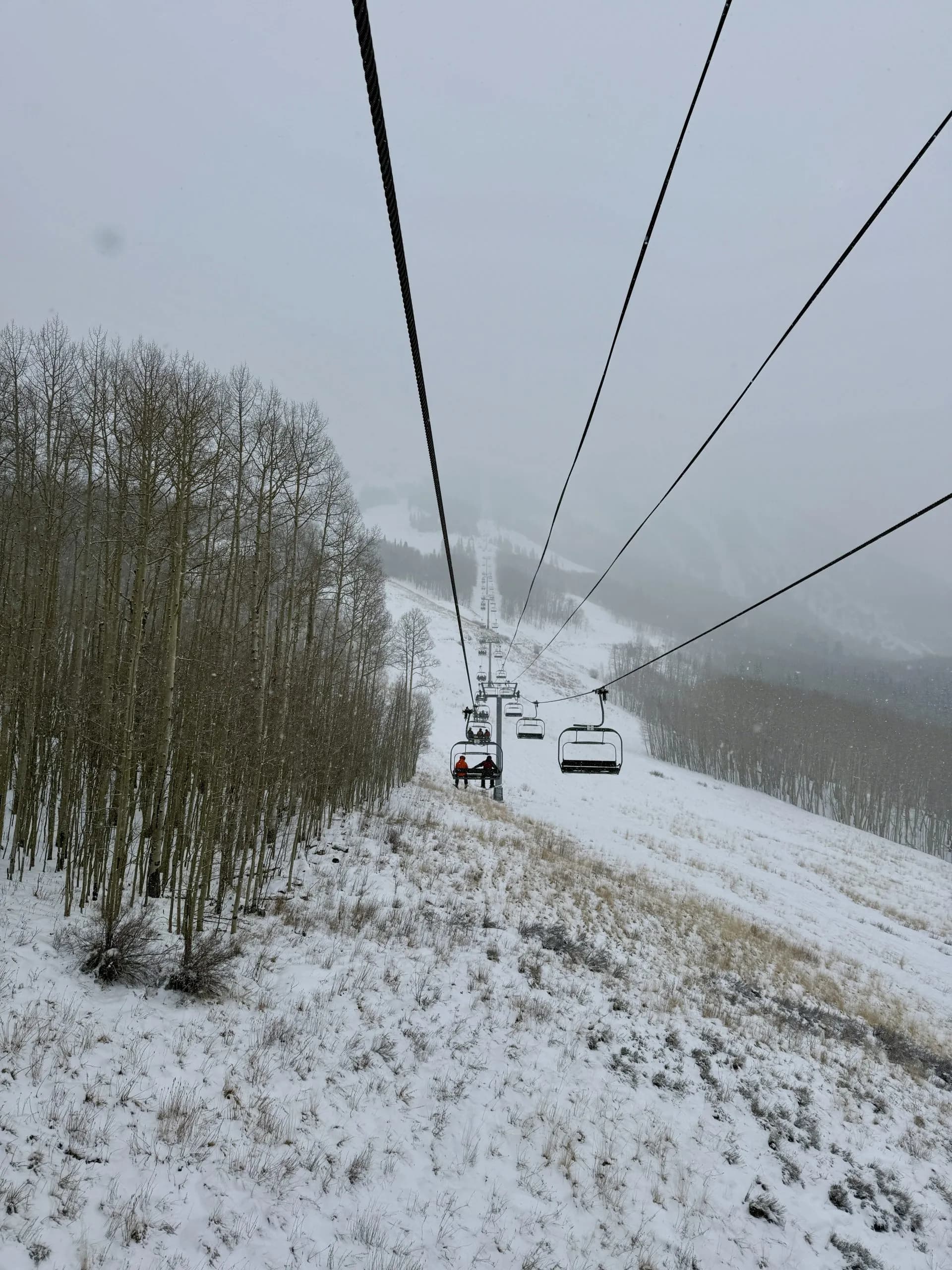
Aspen —The wind off the Colorado River carries a dry, dusty chill that feels less like a promise of snow and more like a warning. It’s the kind of cold that settles into the bones, reminding locals that while the calendar says June, the mountain economy is still shivering from the winter that never quite arrived. For years, the rhythm of life on the Western Slope has been dictated by the lift tickets sold in the spring, the pre-orders that fund the snowmaking guns and the staff paychecks. But this year, that rhythm is off-beat.
Vail Resorts, the behemoth that owns Crested Butte and dominates the global ski landscape, is reporting a decline in early Epic pass sales that mirrors the dismal winter just past. The numbers are stark: a 10% drop in early-season sales of its mega-passes and advance-purchase lift tickets. It is the steepest downturn since CEO Rob Katz launched the Epic Pass in 2008, a time when the industry was still figuring out how to sell unlimited access as a product. For the first 14 years of the pass’s existence, sales grew spectacularly, often double-digit, but now, after a season described as “the most difficult weather environment in the Rockies we have ever seen,” that growth has stalled.
This isn’t just a corporate headline for folks in the valley; it’s a reflection of the reality on the ground. Skier visits collapsed to their lowest point since the 1991-92 season, a 12.5% decline that was twice as steep as the drop seen at ski areas in California and Utah. The company, which operates 42 ski areas across four continents, saw its total visits fall to 14.8 million from 16.9 million the previous year. That’s a historic slump. And while Vail Resorts has managed to keep its largest revenue stream — selling passes and tickets — relatively stable, down only 3.5% to $1.4 billion, it’s because they’ve successfully shifted the risk of bad weather onto the shoulders of skiers who buy those passes long before the first snowflake falls.
But the hangover is lingering. Earnings from mountain operations fell 9.5%, and earnings from lodging properties plummeted 52.8%. In the 18 mountain communities tracked by The Colorado Sun, taxable spending dropped 5% from December through March compared to the 2024-25 season, marking the first annual decline since the pandemic-plagued 2020-21 ski season. If you look closely at the ledger, you can see the strain. The money is still there, but it’s thinner, stretched across fewer visitors who are hesitant to commit to a full season when the snowpack is uncertain.
Katz hopes this slowdown is temporary, a blip in a long line of growth. But for the local businesses that rely on the tourism tax to keep the roads plowed and the lights on, the uncertainty is palpable. The question isn’t just whether skiers will buy the passes, but whether the value proposition still holds when the weather is this unpredictable. The pass was designed to smooth out the volatility of the ski industry, to guarantee revenue regardless of whether it snows or sleet. But when the “winter that wasn’t” becomes the new normal, that strategy starts to feel less like a safety net and more like a gamble.
As the sun sets over the Elk Mountains, casting long shadows across the high country, the silence of the off-season feels heavier than usual. It’s not just the quiet of empty lodges; it’s the quiet of a community waiting to see if the giants of the industry will adjust their sails or just keep rowing harder into the wind. The passes are still for sale, but the excitement that once drove the spring rush is tempered by a cautious, calculated wait.
Keep up with Aspen
The day's Western Slope news, one email each morning. Free.


The digital counter on the side of the bus in Carbondale ticks over, but the seats inside are half-empty

Eagle County Launches Aging Well Roadmap To Keep Seniors Housed