Vail Resorts Faces Stockholder Suit Over Epic Pass Antitrust Claims
A 55-page stockholder derivative suit filed in Denver accuses Vail Resorts executives of breaching fiduciary duties by ignoring antitrust risks tied to Epic Pass pricing and data sharing.
Aspen —The air in the Denver courtroom where Gary Peterson filed his complaint on August 24 was likely dry and recycled, much like the atmosphere surrounding Vail Resorts right now. But the document that hit the desk of the U.S. District Court judge was anything but dry. It was a 55-page stockholder derivative complaint that cuts straight to the heart of the company’s most profitable product: the Epic Pass.
Why is an investor suing the company he owns shares in? That is the question that defines this third lawsuit of the year. Peterson, a Vail Resorts investor, argues that the board of directors and Chief Executive Officer Robert Katz breached their fiduciary duty to stockholders. The complaint alleges that executives either knew the company was violating antitrust laws and failed to stop it, or they consciously ignored the red flags. It is a bold accusation, suggesting that the very leadership tasked with protecting shareholder value is eroding it through legal exposure.
This suit does not exist in a vacuum. It leans heavily on two other cases already pending in the same court. One is a class action brought by three skiers, claiming Vail Resorts conspired with rivals like Alterra Mountain Co. and Powdr to share pricing data via the National Ski Areas Association. This alleged collusion allowed the companies to raise season pass prices by roughly 40% and day tickets by 55% since 2020. The second case accuses Vail of artificially inflating day passes to force customers into buying multi-resort season passes. Peterson’s lawsuit ties these threads together, arguing that the pricing of the Epic Pass and daily lift tickets is the "core" of Vail Resorts’ business. In fiscal year 2025, pass products sold in advance generated about 65% of total lift revenue and about 75% of total visitation. As the complaint states, "No decision the company makes carries greater consequence for its stakeholders than how it prices that pass."
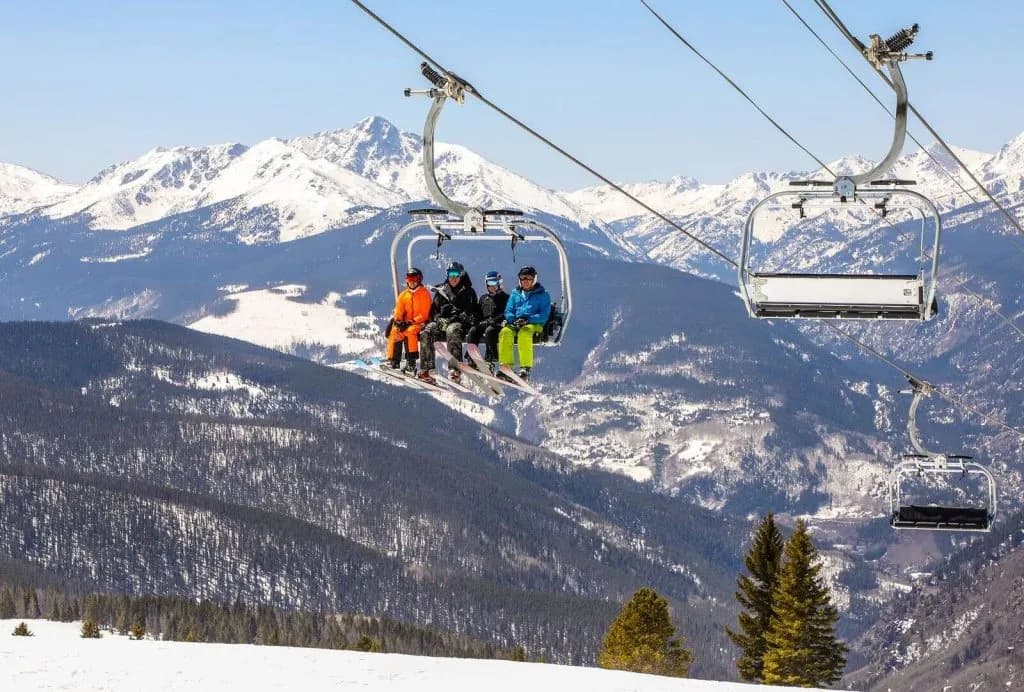
For folks on the Western Slope, this matters because Vail Resorts is not just a distant corporation headquartered in Broomfield. It is the entity behind Vail Mountain, Breckenridge, Keystone, Beaver Creek, and Crested Butte. When the company claims its executives "consciously disregarded" the red flags of potential antitrust violations, it is casting doubt on the stability of the pass prices that locals rely on. If the courts find that Vail colluded to fix prices, the ripple effects could reshape how we think about access to the mountains we love.
Max Winter, a Vail Resorts spokesperson, issued a statement that was brief and defensive. "We believe that the claims are without merit and will defend the company and our board of directors vigorously," Winter said. It is a standard corporate response, polished and precise, but it leaves a lot of space for interpretation. Does "without merit" mean the evidence is weak, or that the legal theory is flawed? We may not know until the discovery process begins, when documents are exchanged and depositions are taken.
The landscape of ski resort ownership is shifting. Companies like Vail Resorts, Alterra, and Powdr have consolidated control over vast swaths of North American skiing. This consolidation has made it easier to manage logistics and marketing, but it has also reduced the number of independent competitors. With fewer players, the temptation to coordinate — whether explicitly or implicitly — can grow stronger. The lawsuits suggest that this coordination went beyond friendly competition and entered the realm of collusion.
As the legal battles unfold, the focus will remain on the data. Who shared what information, and when? Did the companies use a third-party data firm to anonymize the data, or did they exchange raw numbers? These details will determine whether the behavior was lawful or unlawful. For now, the complaint stands as a formal charge, a written record of an investor’s frustration. It is a document that will shape the next phase of Vail Resorts’ history, a narrative that will be read by judges, lawyers, and journalists alike.
The scent of pine needles is strong in the valleys right now, crisp and clean. It is a reminder of what is at stake. The mountains are not just scenery; they are an economic engine, a cultural touchstone, and a source of pride. When the company that manages them faces legal scrutiny, the entire ecosystem trembles. We watch, we wait, and we wonder. The answer is coming, one page at a time.
Keep up with Aspen
The day's Western Slope news, one email each morning. Free.