Colorado Latino Voters Report Sharpest Financial Decline Since 2021
A new Vail Daily survey reveals 43% of Colorado Latino voters saw their finances worsen, marking the steepest drop since 2021 and driving a shift toward political skepticism.
Aspen —Forty-three percent of Colorado’s Latino voters told researchers their financial situation got worse over the past year. That is a ten-point jump from last year and the highest share recorded since this survey began in 2021. For a community that has historically viewed the state as a place of opportunity, the shift is sharp and immediate.
The data comes from the sixth annual Colorado Latino Policy Agenda survey, published Tuesday by the Vail Daily. The poll collected responses between July 1 and Aug. 11, specifically oversampling rural regions like the Western Slope to ensure the data reflects people actually living in places like Glenwood Springs, Grand Junction, and Montrose.
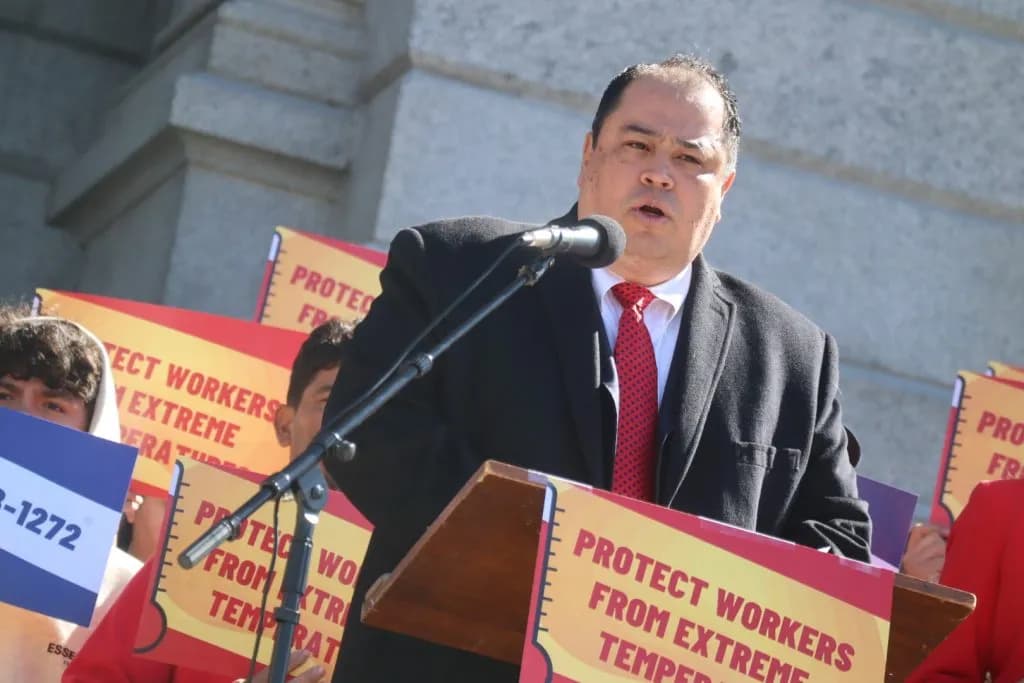
Alex Sanchez, president and CEO of Voces Unidas, put the trend in blunt terms: “For the first time since we began this project, more Latinos believe Colorado is heading in the wrong direction than the right direction. This is concerning.”
Let’s do the math on that sentiment. In 2025, 34% of Latino voters said the state was heading in the wrong direction. This year, that figure climbed to 46%. Meanwhile, only 40% believe Colorado is moving in a positive direction. The remaining 15% are unsure. It is a narrow margin, but it is a reversal. The center of gravity has shifted from optimism to skepticism in the span of one election cycle.
Gabe Sanchez, vice president of research at BSP Research, noted the speed of that change. “When you see numbers jump over 10% in one year — because keep in mind, this is just over a matter of months — that’s a pretty statistically significant shift,” he said.
The drivers are not abstract. They are the same ones hitting every household in the valley: wages, inflation, and housing costs. Roughly 40% of respondents in western Colorado identified improving wages and addressing the rising cost of living as their top concerns. Another 26% pointed to the need for lower costs in healthcare and housing. These are not niche issues; they are the daily reality of trying to pay rent in a market where supply has not kept up with demand.
Healthcare tells a similar story of strain. About one in four Latino voters reported that their health worsened over the past year. That same percentage admitted to skipping or delaying doctor visits because they could not afford them. When a quarter of your voting bloc is rationing medical care, the political implications are clear.
The national picture compounds the local stress. A 66% majority of respondents said they feel the country is moving in the wrong direction, and 75% blamed President Donald Trump for their growing financial struggles. That is up nearly ten percentage points from last year.
For context, Latino voters are the second-largest and second-fastest growing ethnic voting bloc in Colorado. They are not a fringe demographic; they are the engine of future growth. Yet, as advocates note, their specific economic anxieties have gone unaddressed for too long.
State leaders are being told directly that their current approach is insufficient. Alex Sanchez urged them to take the community’s message seriously: “Our community is telling them that what they’re doing is not enough.”
The practical impact for neighbors in the valley is straightforward. When 43% of a key voting bloc says their finances have deteriorated, and when nearly a quarter are skipping medical care to save money, the political landscape changes. It is no longer about broad economic growth; it is about whether the cost of living in western Colorado remains sustainable for working families. The data suggests that, right now, it isn’t.
Keep up with Aspen
The day's Western Slope news, one email each morning. Free.