Vail Resorts Posts $132 Million Loss After Record Drought Season
Vail Resorts reported a $132 million loss after record drought cut skier visits by 3.3 million in Colorado, forcing CEO Robert Katz to forecast modest recovery for next season.
Aspen —The wind cuts across the I-70 corridor with a sharp, dry bite that has nothing to do with temperature. It’s the kind of air that signals a lack of moisture, a reminder that the snowpack numbers from last winter weren’t just low — they were an anomaly.
Vail Resorts CEO Robert Katz is betting on that anomaly correcting itself, but he’s hedging his bets with a $132 million hit to the bottom line. On paper, the company’s annual resort net revenue declined by 4.5% during the fiscal year that ended July 31. In practice, that number represents a direct financial penalty for the worst skier visitation in Colorado’s 35-year history.
Katz reported these figures during a fourth quarter earnings call with investors on Sept. 28, according to the Vail Daily. He attributed the revenue drop and a 12% lag in Epic Pass sales through mid-September to "exceptionally challenging weather" during the 2025-26 season. The data is stark: an estimated 9 million fewer skiers hit the slopes nationwide, with Colorado accounting for 3.3 million of those missing visits.
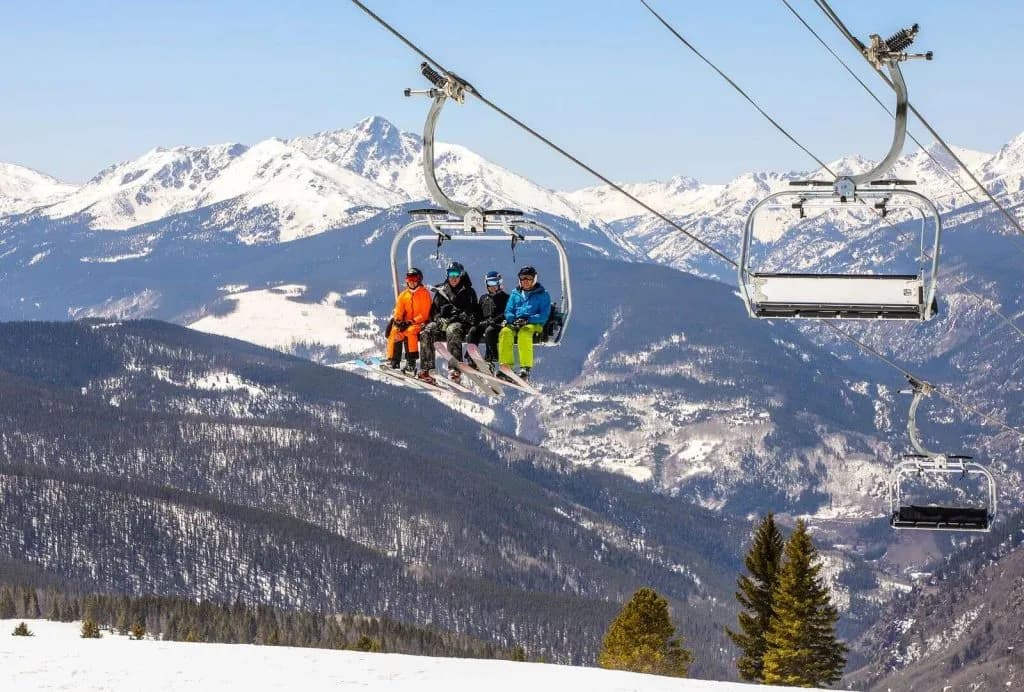
For context, Vail Resorts operates 42 ski areas in the U.S., including Breckenridge, Keystone, Vail Mountain, Beaver Creek, and Crested Butte. When the snow fails to materialize, those five resorts in our backyard don’t just sit empty; they bleed revenue. Katz acknowledged that the company’s business model, which pushes skiers to buy multiresort passes ahead of the season, provided "meaningful stability" by insulating the company from some weather impacts. But that buffer is running thin as winter approaches.
Katz said he expects a "significant recovery" for the 2026-27 season, but he’s not predicting a return to pre-drought levels. "The only question is whether the industry is going to get all’s way back to the (2024-25) season," Katz said. "Our assumption is, for the guidance at least, that it may not."
He issued fiscal guidance assuming visitation will be "modestly lower" than originally predicted. Katz described last winter as "one of the most challenging winters in history," noting that some skiers are now adopting a "wait-and-see attitude." This shift in consumer behavior is directly impacting Epic Pass sales. He suggested that those who opted not to buy a pass ahead of time might instead purchase daily lift tickets, particularly if snow conditions improve.
The recovery depends heavily on meteorology. Katz noted that visitation typically recovers quickly after a poor season if the following year has normal conditions. He added that an above-average snowfall, perhaps driven by a "Super El Niño or something like that," could push visitation beyond where it was two years ago. But at this point, the company is sticking to modest predictions based on current trends.
Let’s do the math on what this means for local stakeholders. A $132 million revenue decline isn’t just a corporate accounting entry; it’s the difference between maintaining infrastructure and deferring repairs. It’s the gap between hiring full-time seasonal staff and relying on part-timers. For locals, it means a ski industry that is still licking its wounds from the 2025-26 drought, with a CEO who openly admits the risk heading into next season remains high.
Katz said Vail Resorts is "positioned well to capture that recovery," but he also called last season a "true anomaly." That word does a lot of heavy lifting. It suggests that the current financial strain is temporary, but it also implies that the baseline for a "normal" season has shifted. If the snow doesn’t come, the 12% lag in pass sales will likely deepen, and the $132 million loss will look like a rounding error compared to what’s coming next.
Keep up with Aspen
The day's Western Slope news, one email each morning. Free.