Vail Symposium Hosts Ambassador Dennis Ross for Iran Diplomacy Talk
Ambassador Dennis Ross joins the Vail Symposium on July 15 to discuss Iran, Middle East diplomacy, and US foreign policy strategies with an audience Q&A session.
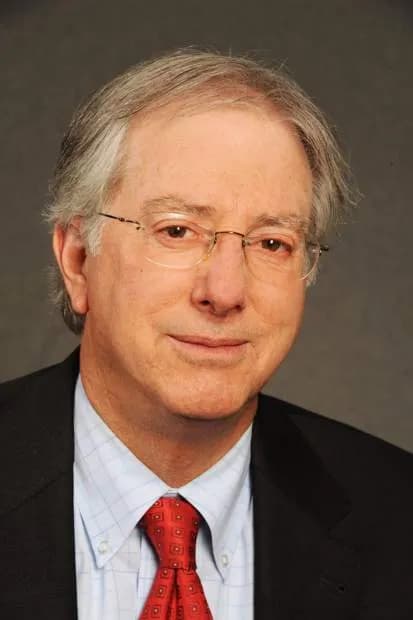
Aspen —“Part of the Vail Symposium’s mission is to help our community think globally about the forces shaping our world.”
That statement from Vail Symposium Executive Director James Kenly sounds like a press release written by someone who actually enjoys reading. But let’s look at what it means for the folks buying tickets in Vail. The symposium is hosting Ambassador Dennis Ross on Wednesday, July 15, for a program titled “Iran, the Middle East and the Possibilities of Diplomacy.”
Ross isn’t a local celebrity. He’s not here to talk about ski lift maintenance or water rights. He is the William Davidson Distinguished Fellow at The Washington Institute for Near East Policy and teaches at Georgetown University’s Center for Jewish Civilization. His resume is heavy on paper: he worked under Presidents George H.W. Bush and Bill Clinton, advised Barack Obama and Hillary Rodham Clinton, and helped broker the 1995 Interim Agreement, the 1997 Hebron Accord, and the 1994 Israel-Jordan peace treaty.
The Vail Daily reported that Ross will assess Iran’s ambitions, the fallout from recent conflicts, and the role of non-state actors. He’ll tackle questions about U.S.-Iran nuclear discussions and whether negotiations can produce durable agreements rather than just temporary pauses in violence.
On paper, this is a high-level diplomatic review. In practice, it’s an opportunity for locals to hear from someone who has actually been in the room when decisions were made.
Kenly noted that a program like this gives people the chance to hear from a seasoned diplomat and engage with questions that have real consequences far beyond our own backyard. That’s true. The Middle East is volatile, yes, but the cost of war eventually shows up in gas prices and defense budgets. This event doesn’t change your commute, but it clarifies the geopolitical landscape that affects global trade routes and energy supplies.
Ross will be on stage discussing Iran’s regional strategy, the risks in current nuclear talks, and the realistic role of the United States. The event includes an audience Q&A, so you can ask about specific scenarios, from the prospects of Iran-West relations to the dynamics between Israel and Saudi Arabia.
The Vail Symposium has a tradition of convening experts to address complex global issues. This event is part of their 2026 programming, which centers on America’s semiquincentennial and the future of U.S. foreign policy. If you’re interested in how foreign policy shifts might impact local economies or national security spending, this is the place to be.
Ross isn’t offering easy answers. He’s there to tackle difficult questions. That’s refreshing. Most political events promise solutions and deliver platitudes. Ross brings over a decade of experience in the Middle East peace process. He’s seen agreements fail and succeed.
For context, consider the current state of affairs: wars in Gaza, proxy clashes with Iran, and shifting U.S. priorities have made the region feel more complicated than at any point in recent memory. Ross’s job is to help untangle that mess.
The event continues the symposium’s mission to connect local thinking with global forces. It’s not just about Iran; it’s about how Vail fits into the broader picture of American diplomacy.
The bottom line: You get a direct look at U.S. foreign policy strategy from one of its key architects, without the usual political spin. It’s a focused hour that connects local curiosity to global stakes.
Keep up with Aspen
The day's Western Slope news, one email each morning. Free.