Vail Symposium Links Ocean and Space Exploration
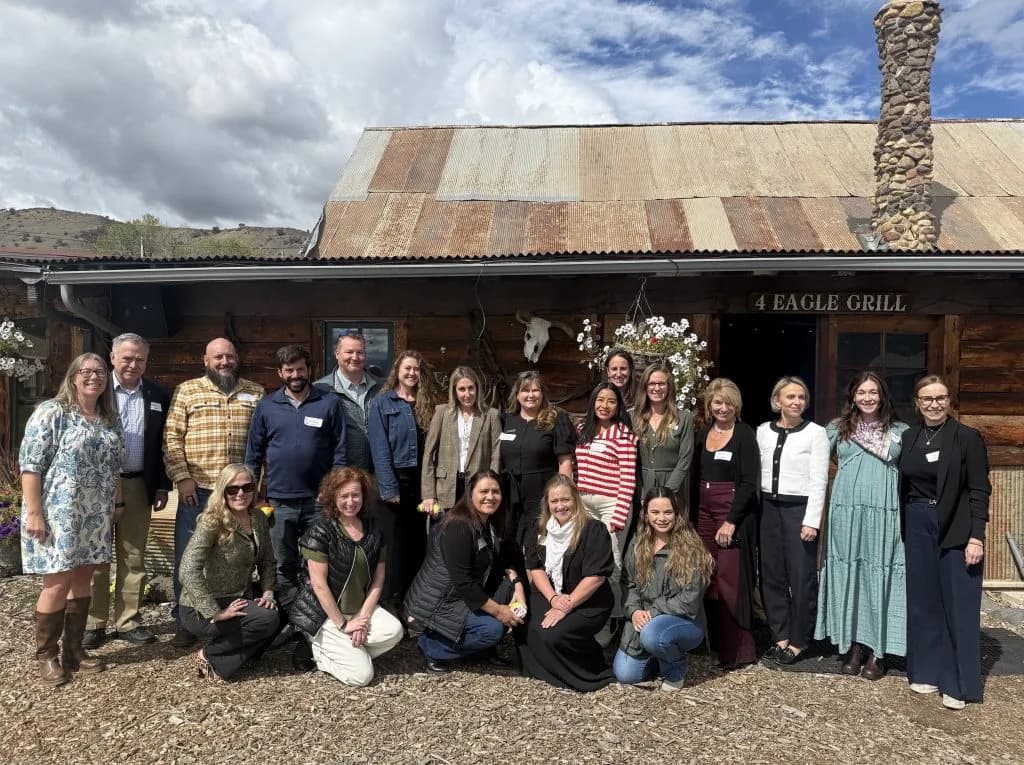
Astronaut and artist Nicole Stott led the Vail Symposium at 4Eagle Ranch, exploring how deep-sea environments serve as critical training grounds for future space missions.
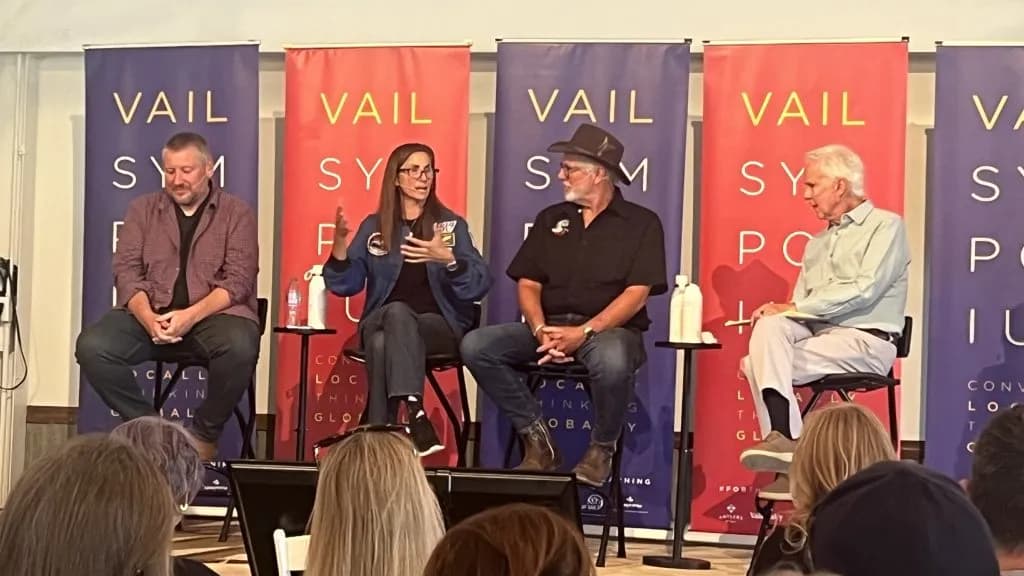
Aspen —The late afternoon light on the high desert floor of 4Eagle Ranch hits differently when you’re looking for stories that bridge the gap between the ground beneath your boots and the vacuum above your head. There’s a specific quality to the air here, thin and crisp, carrying the scent of piñon and the distant, dry heat of the Vail Valley, yet inside the gathering space, the conversation turns heavy with the weight of water and space. It’s a strange juxtaposition for a place known for ski lifts and summer festivals, but on Monday, the focus wasn’t on the slopes or the snow, but on the deep blue ocean and the black void, linked by the people who have spent their lives exploring both.
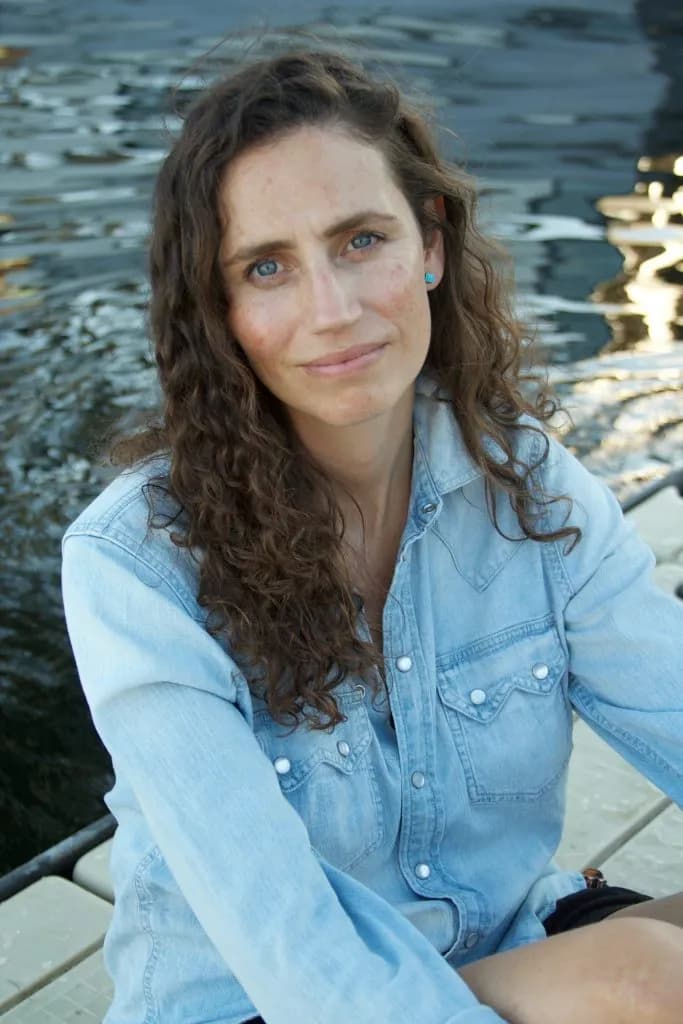
The Vail Symposium brought together a unique constellation of minds to examine the parallel worlds of ocean and space exploration, led by astronaut and artist Nicole Stott. She didn’t just talk about the stars; she grounded the experience in the visceral reality of being submerged. Stott, who describes herself as an “astraquanaut,” has spent weeks at a time in NASA’s 60-foot deep ocean lab, located five miles off the coast of Key Largo, Florida. From her perch in that small plexiglass bunker, she wasn’t just observing the ocean; she was part of its ecosystem, watched by fish and creatures free to roam the vastness while she remained trapped in a tiny, transparent world.
“It’s not a dry planet,” Stott told the crowd, a simple phrase that seemed to reset the room’s understanding of their own home. She explained that Earth sustains human life precisely because it is an ocean planet, a fact she had to journey 300 miles into space to truly appreciate. The view from orbit changes how you see the water below, and that perspective is crucial for understanding how we might live and work in the extreme environments of space. NASA developed these ocean bases not just as training grounds, but because the deep sea is the absolute best analog for living and working in space. It’s a place where isolation, pressure, and the need for self-reliance mirror the conditions astronauts face, yet it remains accessible enough to study the frontier of human exploration.
The connection between the two frontiers isn’t just scientific; it’s deeply personal for those who have lived it. Bill Todd, a Johnson Space Center Project Manager, spoke about the importance of immersion. You can’t understand these environments with quick trips; you have to live in them. Todd has spent years discussing these topics with the late astronaut Scott Carpenter, one of several NASA scientists who chose to make Eagle County their home. Carpenter, like Stott, was an aquanaut who understood the value of looking outward to understand inward.
Todd recalled evenings under the stars on Carpenter’s veranda, talking about the cosmos and the deep sea, usually with a beer in hand. It was a casual, human way to process the monumental. In the ’60s and ’70s, Vail actively courted these NASA figures, a smart marketing move that brought the Apollo era’s brightest minds to the valley. The community didn’t just host them; they integrated them, creating a local culture that values the intersection of high science and high altitude.
As the event wrapped up, the conversation lingered on the idea that protecting the ocean helps us protect our future in space. The deep sea is another frontier, one that offers clues on how to conserve, rehabilitate, and understand our own planet. Stott’s words hung in the air, a reminder that we are sitting on an ocean planet, even here, miles from the sea. The ranch felt less like a backdrop and more like a bridge, connecting the dry, dusty earth of Colorado to the wet, heavy depths of the Atlantic, all under the watchful eye of a sky that is slowly turning dark.
Keep up with Aspen
The day's Western Slope news, one email each morning. Free.
Aspen's ACES Returns Annual Harvest Party to Rock Bottom Ranch
Glenwood Ghostwalk Brings Frontier History to Life in Linwood Cemetery