Vail Symposium Speaker Dr. Tierney Links Paleoclimate Data to Local Property Values
Dr. Jessica E. Tierney presents paleoclimate research at the Vail Symposium, explaining how ancient climate data directly influences current property values and future infrastructure spending in Avon.
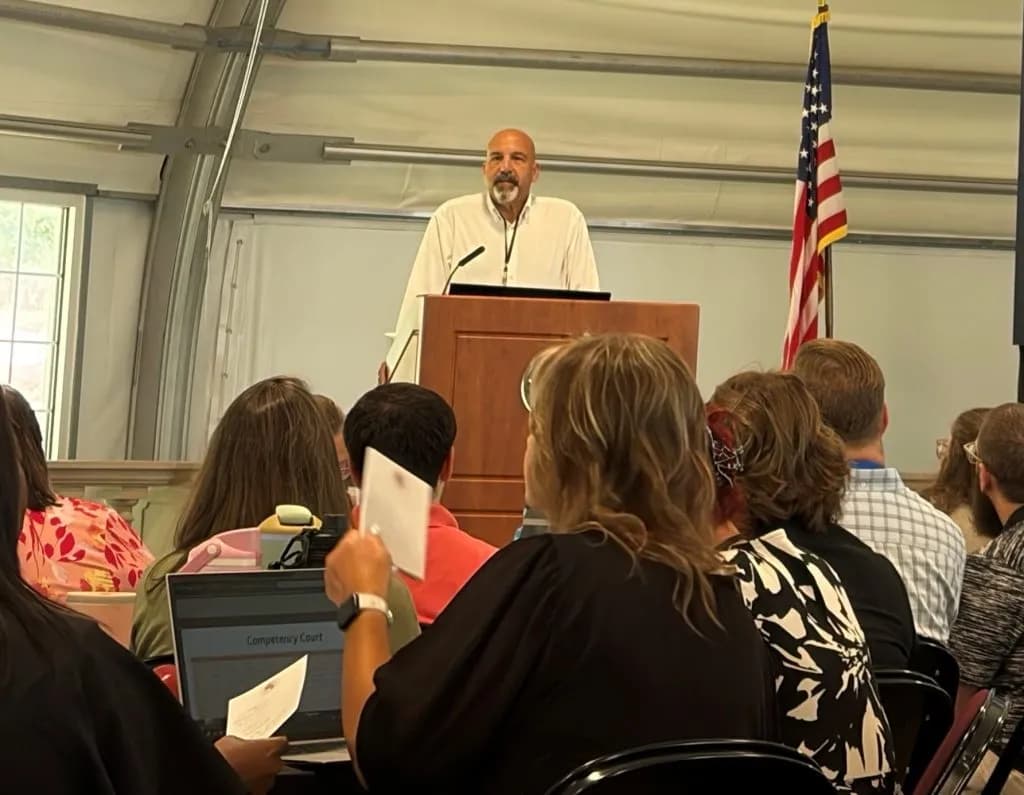
Aspen —The Eagle River Presbyterian Church in Avon will be packed Tuesday night. Dr. Jessica E. Tierney stands at the podium, ready to explain why Earth’s ancient history matters to your current property value. It is 6 p.m. The air is cooling, but the conversation about warming remains hot.
A $14 million symposium investment. One speaker. Twelve units of data. That is the rough math for this week’s Vail Symposium presentation, though "investment" might be generous depending on how you count the overhead. The event features Dr. Tierney, a paleoclimatologist from the University of Arizona’s Department of Geosciences. She is here to discuss "paleoclimates" — ancient climate states that serve as a baseline for understanding the rapid human-caused warming we are experiencing now.
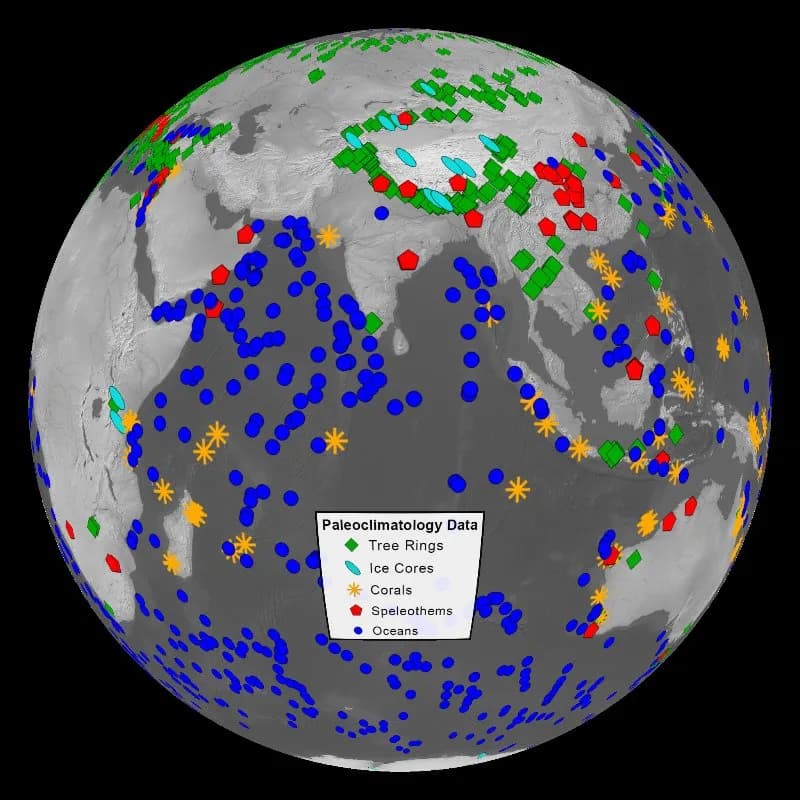
Tierney’s presentation, titled “Past Climates Inform Our Future,” runs from 6 to 7:30 p.m. She is the Thomas R. Brown Distinguished Chair in Integrative Science and a Packard Foundation Fellow. Her credentials are substantial. She served as a lead author on the Intergovernmental Panel on Climate Change (IPCC) Sixth Assessment Report. She received the National Science Foundation’s Alan T. Waterman Award, its highest honor for an early-career scientist. These are not empty titles. They indicate she has spent years reconstructing temperature, rainfall, and atmospheric composition using natural archives like ocean sediments, ice cores, stalagmites, and fossils.
Why does this matter to folks around here? Because local choices in the Roaring Fork Valley do not exist in a vacuum. They exist within a global system that is currently shifting faster than most historical records suggest.
“Climate is an ever-present feature of our lives in this beautiful place; we are well-versed in the contemporary conversation about impacts and policy,” Vail Symposium Executive Director James Kenly said in a press release. “By starting with the Earth’s story over eons, this program gives people a clearer, more grounded way to understand what’s happening now and why our local choices matter in a global system.”
Let's do the math on what that actually means. If climate models are refined by understanding past climates, then our predictions for snowpack, water availability, and extreme weather events become more accurate. Inaccurate models lead to misallocated infrastructure spending. Accurate models help justify the cost of building roads, dams, and housing in areas that are actually safe for the next fifty years.
Tierney explains how humans have been emitting carbon dioxide by burning fossil fuels. CO2 levels are now higher than the Earth has experienced in at least millions of years, according to her research. This isn't just abstract science. It dictates whether the water in your tap comes from a reliable snowpack or a dwindling reservoir. It determines if the ski industry can sustain its operations as temperatures rise.
The study of paleoclimatology uses these natural archives to narrow uncertainties about changes in temperature, ice sheets, sea level, and global water cycles. Tierney will be discussing how this historical context helps us better understand present and future human-caused climate change.
On paper, a single lecture is a low-cost educational event. In practice, it reinforces the narrative that drives tourism and real estate demand in Vail and Avon. The symposium continues its exploration of climate and environmental issues, positioning itself as a hub for those who care about the long-term viability of the Western Slope.
For locals, the bottom line is simple: understanding past climates helps us prepare for future costs. Whether that cost comes in the form of higher insurance premiums, infrastructure repairs, or water fees depends on how well we listen to experts like Tierney. The data is there. The question is whether our local budget reflects it.
Keep up with Aspen
The day's Western Slope news, one email each morning. Free.