Vail Veteran's Dementia Care Gap Sparks Western Slope Debate
A Vail veteran's rapid dementia decline highlights the Western Slope's lack of intermediate care options, forcing families to wait for total collapse before receiving institutional support.
Aspen —The obvious narrative here is one of sacrifice. A son gives up his home, his routine, and eventually his father’s independence to keep him safe. It’s a noble story. But if you look at the actual mechanics of what happened between 2023 and April 9, 2025, the story is less about noble sacrifice and more about a system that waits for total collapse before offering help.
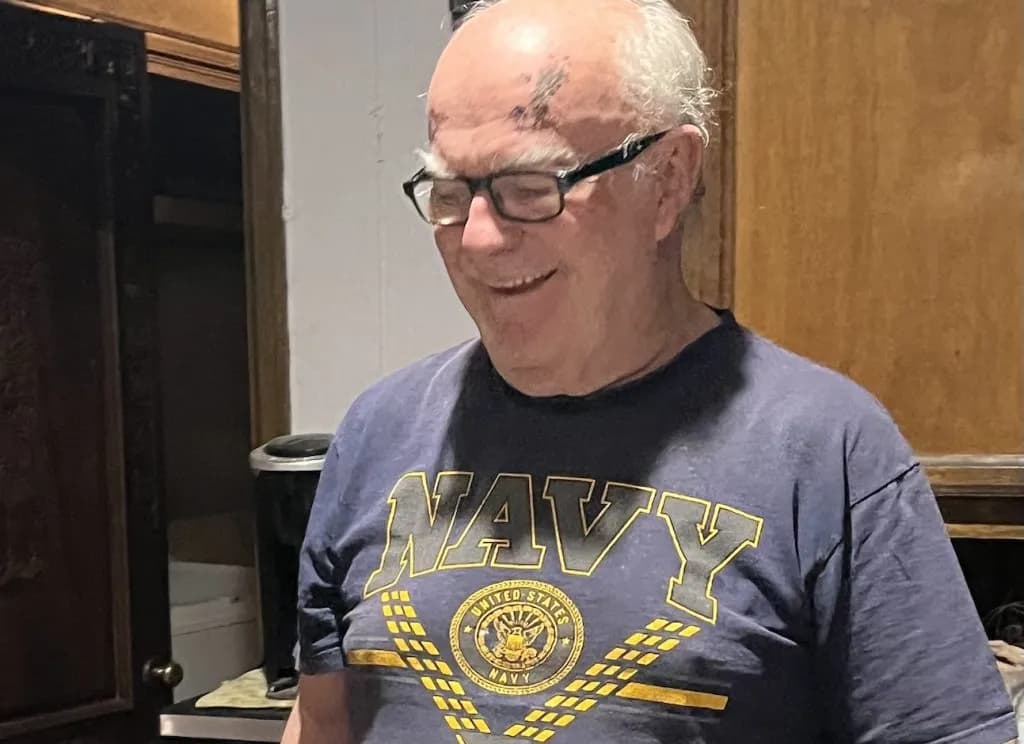
Patrick Ryan, known to his family as Pappa, didn’t just get old. He got dementia. According to the Vail Daily, his decline was not a slow fade but a rapid unraveling that caught his son off guard. In 2023, the forgetfulness was increasing but manageable. By 2025, it had become a crisis. He was falling repeatedly. He forgot his medications. He inverted his sleep cycle, watching TV at 6 a.m. while the rest of the house slept. He forgot appointments they had planned together, then repeated them.
The doctor’s advice was blunt: no more driving. For a man who had been behind the wheel for 65 years, that was a death sentence to his identity. He was crushed. The Vail Daily notes that he refused help with hygiene because he wasn’t comfortable with it. He was too embarrassed to call for help when he fell at night. One morning, his son found him on the floor from 1 a.m. to 6 a.m. He didn’t scream for help; he just laughed and said, “Holy cow! There’s no way I’ve been down here that long. I just figured I’d wait till you got here.”
That quote does more work than any policy brief could. It reveals the gap between medical diagnosis and lived experience. The brain knows it’s 1 a.m., but the body doesn’t feel like it’s been down for five hours. The embarrassment is so acute that silence wins over safety.
So the son hired private care for a few months. He put fall alarms all over the house. It was a stopgap, not a solution. Then came the physical break: his brain stopped connecting with his legs. He couldn’t walk reliably. The decision to move him into the veteran’s home on April 9, 2025, wasn’t a strategic choice made in a quiet meeting. It was a reaction to a body that had stopped working. He moved in scared, confused, and begging his son not to leave. They sat on the floor of his recliner for hours, crying together.
The complicating factor? His youngest daughter died a month later. The son didn’t tell him. He was afraid the news would accelerate the decline, that his father might die of heartbreak. Now Patrick lives in a limbo between reality and what he thinks is reality, sometimes asking to be taken somewhere in 1975.
This isn’t just a family tragedy; it’s a data point on the Western Slope’s aging infrastructure. We talk about housing shortages and construction costs, but we rarely talk about the care gap that precedes a nursing home placement. The Vail Daily is running these testimonials ahead of the Rocky Mountain Walk to End Alzheimer’s at Brush Creek Park in Eagle on Saturday, Sept 19. The event raises awareness, but the practical reality for families like Ryan’s is that "awareness" doesn’t install grab bars or pay for private care.
The cost of waiting is measured in broken hips, lost dignity, and the emotional labor of a family that has to become its own medical team. Patrick Ryan is still there, in the veteran’s home, living in a time that isn’t his. The walk is a good thing. But for the neighbors watching their own parents slip through the cracks, the question isn’t whether we can end Alzheimer’s. It’s whether our community has the infrastructure to support a person while their brain is still trying to figure out what time it is.
Keep up with Aspen
The day's Western Slope news, one email each morning. Free.