Virginia Coffee Arrest Sparks Privacy Debate in Vail
A Virginia man’s arrest for drinking coffee in his kitchen triggers a Vail Daily debate on whether constant surveillance destroys the reasonable expectation of privacy.
Aspen —A naked man. A cup of Folgers. A 5:30 a.m. arrest.
That’s the headline, but it’s also the trap. We look at that Virginia incident and we immediately reach for the gavel. Indecent exposure. Case closed. The man was wrong because he was visible. Simple logic, right?
Not so fast. Let’s do the math on what "visible" actually means in the eyes of the law, because the distinction matters more than you’d think.
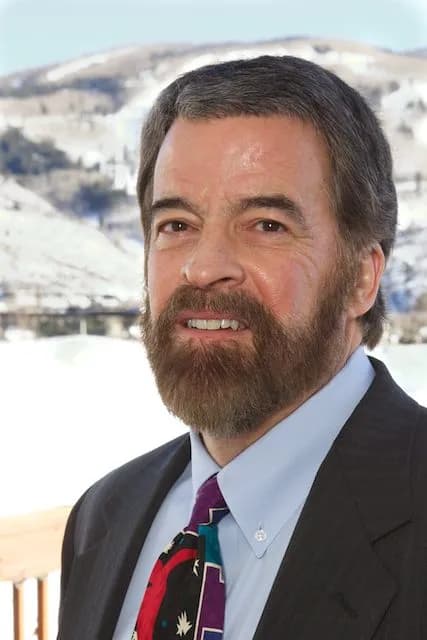
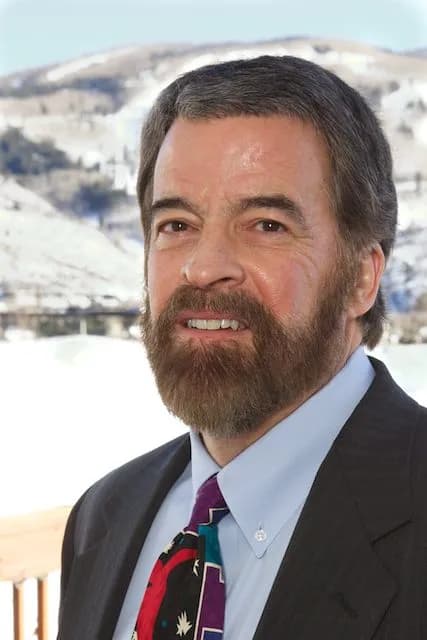
In his opinion piece for the Vail Daily, author Robbins argues that we’ve conflated two very different concepts: being seen, and having a reasonable expectation of privacy. He points out that the legal standard for privacy doesn’t hinge on whether a camera can see you; it hinges on whether a normal person should expect to be seen.
Robbins uses the example of the Virginia man to illustrate the absurdity of the current interpretation. The man was inside his home. He wasn’t standing in his driveway. He wasn’t walking down Main Street. He was in his kitchen, drinking coffee. The fact that a neighbor decided to peer through his window — and that the blinds were apparently open — doesn’t automatically transform a private moment into a public performance.
Here’s where it gets tricky for folks around here. We’re already used to being watched. We’ve got traffic cameras, security feeds at the grocery store, and speed enforcement systems like Flock. Most of us have laid our privacy before the altar of convenience. We trade a little bit of anonymity for a little bit of safety or speed.
But there’s a difference between consenting to be filmed while driving down I-70 and being arrested for drinking coffee in your own kitchen. When we blur that line, we lose something important. We lose the idea that there are places where you can just be yourself, without worrying about who might be looking.
Robbins makes a good point: if we’re being watched seemingly everywhere, how can nearly any expectation of privacy be considered "reasonable"? It’s a fair question. But the answer isn’t to throw out the concept entirely. It’s to apply it more carefully. To ask, in each specific situation, what a typical person would actually expect.
So, how does this land for locals? It means that when officials talk about installing new cameras or expanding surveillance, they should be clearer about what they’re really asking us to give up. Are they asking us to accept that we’ll be seen while driving? Sure, that’s reasonable. Are they asking us to accept that we might be seen while sitting in our living rooms? That’s a bigger ask, and it deserves a bigger discussion.
The bottom line is this: privacy isn’t about hiding. It’s about control. It’s about knowing who’s watching, why they’re watching, and what they’re going to do with what they see. When we lose that control, we don’t just lose a little bit of comfort. We lose a fundamental part of what it means to be free. And that’s a price we shouldn’t pay without thinking twice.
Keep up with Aspen
The day's Western Slope news, one email each morning. Free.