Waymo Launches Dozen Autonomous Cars in Denver's 60-Square-Mile Zone
Waymo begins limited service in Denver Tuesday, deploying dozens of electric Ojai vehicles across a 60-square-mile zone covering LoDo and Cherry Creek, excluding western suburbs.
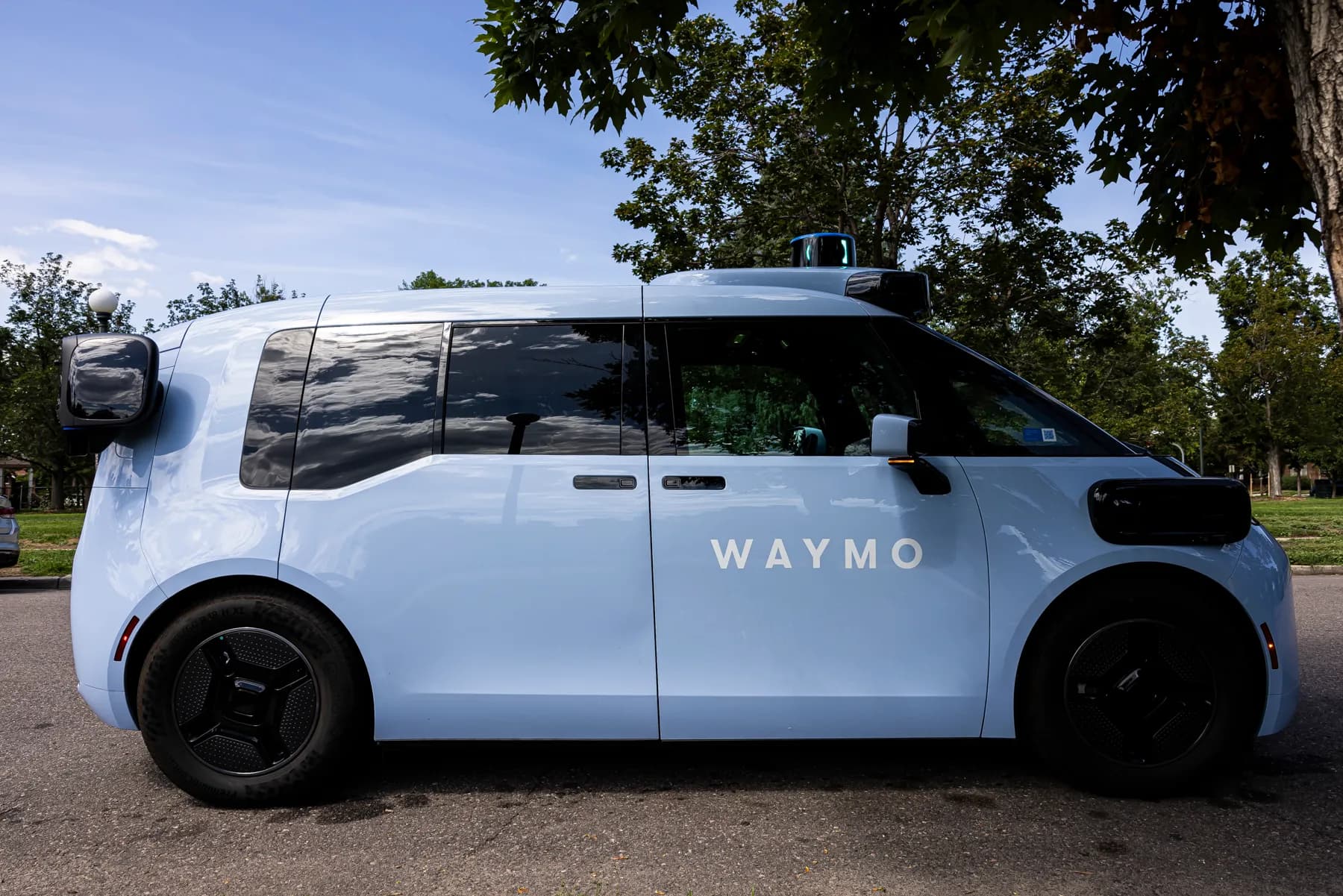
A Waymo vehicle sits idle near Alamo Placita Park, its sensors scanning the quiet street. It’s August, the heat shimmering off the asphalt, and for now, the car is just a metal box waiting for permission to move. But that changes Tuesday.
The obvious take is that Denver is finally catching up to the tech coast. We’re the 14th city. We’re the follower. But that misses the point entirely. This isn’t about status; it’s about geography. The service area is a jagged, 60-square-mile patch that stretches from the I-25/U.S. 36 junction in the north down to the University of Denver in the south. It covers LoDo, Capitol Hill, and Cherry Creek, yes. But look closer at the edges. The western boundary cuts sharply along parts of Sheridan Boulevard, leaving chunks of the west side in the dark. The eastern edge stops near Central Park. If you live in certain pockets of the city, you’re not in the map. You’re outside the experiment.
And the fleet? "Dozens" of cars. That’s the number Waymo’s spokesperson gives. Dozens of autonomous vehicles trying to cover 60 square miles of dense urban traffic. That matters because it suggests a bottleneck. These aren’t unlimited resources. They are a finite pool of hardware deployed against a sprawling, complex grid.
The vehicles themselves are the newest model, the all-electric "Ojai." It’s built for Colorado weather, with enhanced cleaning mechanisms to handle snow and ice. It relies on lidar, radar, and 13 cameras to navigate. There’s no human driver behind the wheel, but there’s a human presence in the cloud, monitoring the fleet.
Fares will be comparable to Uber or Lyft, varying by time of day and demand. You’ll see an estimated price before you book. One difference: no tipping. Waymo doesn’t accept it. That’s a small cultural shift, but it’s there.
Who gets to ride? Not everyone, at least not yet. Rides are initially offered to select users among the "tens of thousands" who have already downloaded the app. New riders will be added on a rolling basis. It’s a soft launch, a controlled rollout. They’re testing the waters before opening the floodgates.
There’s no airport service yet. Denver International is still out of reach. But a DIA spokesperson says talks are happening. Waymo wants in. The airport is listening. No date is set, but the door is ajar.
Denver is the 14th city. Waymo has 20 more planned. No schedule. Just a list of names on a whiteboard somewhere in California.
Stand there long enough and you realize the map is the story. Not the cars. Not the tech. The shape of the service area. Where it starts. Where it stops. Who’s inside. Who’s left out.
Back at Alamo Placita Park, the Waymo is still parked. The sun is lower now, casting long shadows across the plaza. The car’s lights are off. It looks almost asleep. But Tuesday, it wakes up. And the city holds its breath.
Keep up with the Western Slope
The day's Western Slope news, one email each morning. Free.