Weiser Targets Colorado's Four Ballot Measures With Supermajority Power
Gov.-elect Phil Weiser signaled intent to adjust four newly passed conservative ballot measures, leveraging new Democratic supermajorities in the state legislature to potentially overturn or amend the initiatives.
The November chill hangs heavy over the I-70 corridor, a stark contrast to the heat rising inside the state Capitol in Denver. There, the math has shifted dramatically.
Colorado voters did something rare on Election Day. They passed four conservative ballot measures while simultaneously handing Democrats supermajorities in both the state House and Senate. That combination gives the new majority the power to tweak or overturn those initiatives with a simple majority vote.
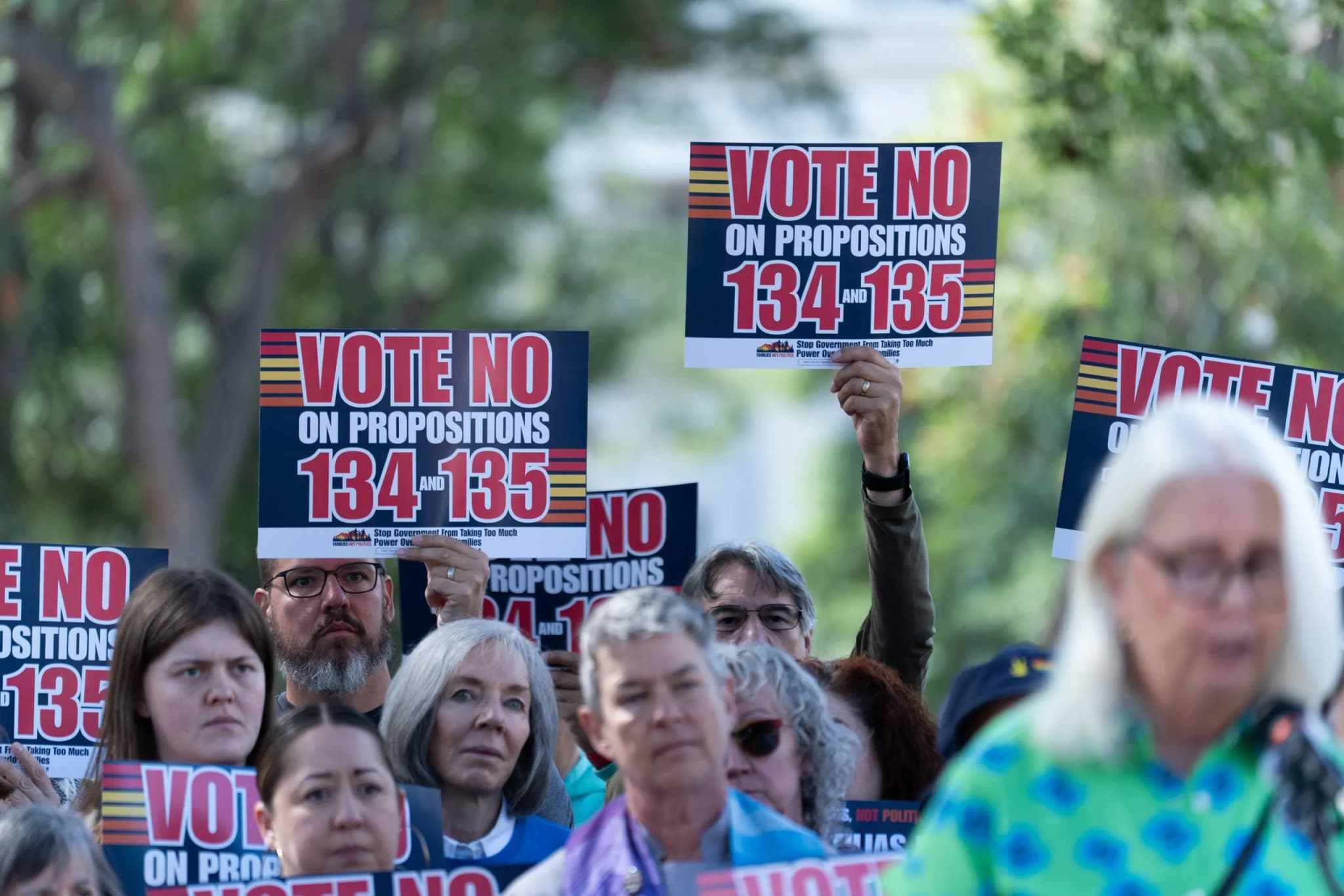
Gov.-elect Phil Weiser made his intentions clear on Wednesday. Speaking to reporters in Denver after securing the win, he focused on Propositions 134 and 135. Those measures ban transgender youth from gendered school and college sports and restrict gender-affirming surgery for minors.
“We’re going to have to take a look at these anti-trans measures and what adjustments are necessary and appropriate,” Weiser said.
He wasn’t subtle about his view on Prop 134. The measure defines athletes based on reproductive organs. Weiser argued that requiring every child and young adult on gendered teams to prove their biological sex is unacceptable. He noted the text doesn’t explicitly mandate genital checks, but he acknowledged opponents fear that’s where enforcement leads.
The other two measures, Prop 132 and 133, target fentanyl and child sex trafficking. Prop 132 increases penalties for possession and sale. Prop 133 makes child sex trafficking punishable by life in prison. Weiser hasn’t detailed his stance on those as sharply as he has on the trans-related issues, but they sit in the same legislative queue.
The Associated Press had not called Prop 132 and 135 as of the latest tallies, but projections favor passage. The same holds for the Democratic supermajorities. Barring a massive recount surprise, the legislative landscape is set.
What’s notable is what Weiser isn’t saying. He’s framing this as a fix for "human and sound" approaches, a phrase he used on the campaign trail in June. He’s positioning the tweaks as a correction to voter overreach, not a partisan grab. But with supermajorities in hand, the distinction between a "minor alteration" and a "full repeal" is entirely in the Democrats’ hands.
The four propositions — 132, 133, 134, and 135 — are now on the chopping block. The legislature can amend them or kill them outright. Weiser signaled he’s leaning toward adjustments rather than total annihilation, particularly for the sports and surgery bans. But the door is open for more aggressive moves if negotiations stall.
For locals, the immediate impact is uncertain. The measures technically passed, so they’re law until the legislature acts. That window could be months or years. In the meantime, schools and colleges face ambiguity on how to enforce the new rules. Parents and athletes are left guessing.
The short version: Voters gave conservatives a win, but they gave Democrats the tools to undo it. Weiser is already swinging the hammer. Watch the next legislative session. That’s where the real fight starts.
Keep up with the Western Slope
The day's Western Slope news, one email each morning. Free.