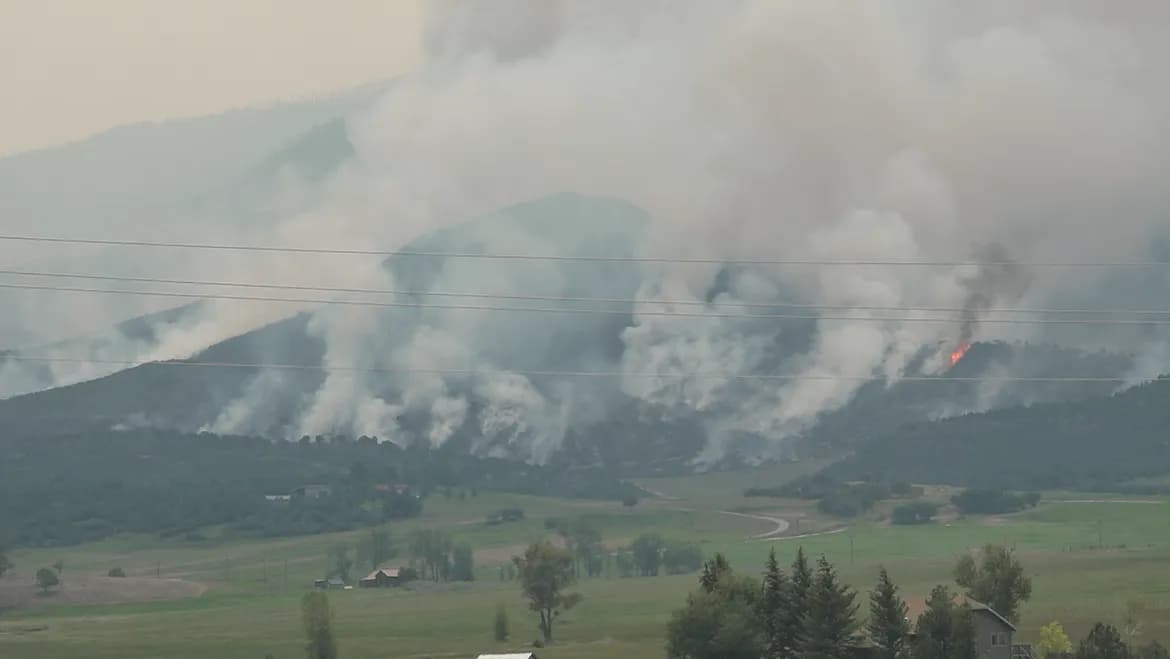
Western Colorado Drought Lowers Docks and Risks Rescue Boats at James M. Robb
Rising temperatures and low water levels at James M. Robb Recreation Area are pulling docks and threatening rescue boat availability, impacting boating and fishing in Western Colorado.
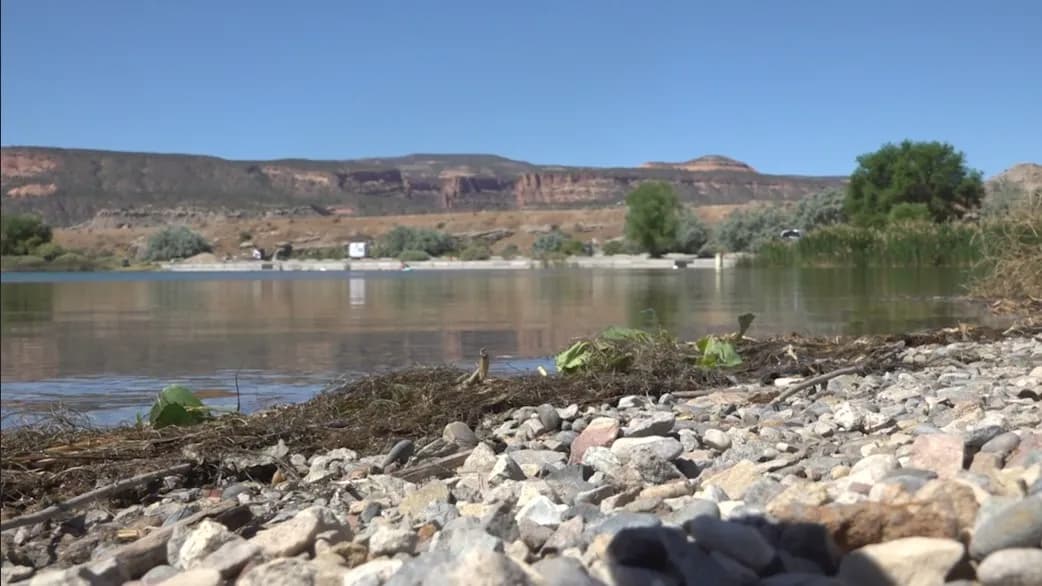
Western Slope —The dock at James M. Robb Recreation Area sits six inches higher than it did last week. You can see the bare, cracked mud where the water used to kiss the pilings. It’s quiet now, but that silence is expensive.
Higher temperatures are draining Western Colorado’s water reserves, and the state parks system is paying the price. The Grand Mesa and the Colorado River are running notably low. This isn’t a forecast; it’s a current condition that is actively reshaping how locals access their recreation.
Multiple agencies have already slapped water restrictions on the region because the river levels just aren’t there to support business as usual. And it’s getting worse. Warmer water combined with lower volumes means algae blooms will hit reservoirs like James M. Robb earlier than usual. That’s a direct hit to water quality. Highline Lake, meanwhile, is holding its capacity. It’s the only game in town for now, and it’s going to be packed.
Rachael Gonzales, public information officer for the Northwest Region for Colorado Parks and Wildlife, laid out the practical consequences for outdoor enthusiasts. She didn’t sugarcoat it.
“There are potential impacts to motorized boating, maybe fishing, even in some cases where we tend to see some of those algae blooms. We may see them, you know, sooner,” Gonzales said.
Here is the logistical reality: if the water drops further, they pull the docks. No docks means no motorized boating. It’s that simple. You can still kayak, but you’re paying for a boat you can’t launch with a trailer if the ramp is underwater.
Gonzales pointed out a less obvious risk that affects everyone, not just boaters. If water levels get critical, they have to pull the rescue boats from the water. That creates a delay in emergency response. If you break your ankle on the Grand Mesa or get swept out on the river, help takes longer to arrive because the asset needed to save you is sitting on a trailer waiting for the tide to turn.
The agency is pushing anglers to monitor water temperature closely. They want you carrying a thermometer. Fish earlier in the day. Go to higher elevations where the water is cooler. It reduces stress on the fish. It also means you need a backup location because the prime spots are going to get crowded fast.
Staffing levels at state parks remain a concern. There are fewer people to manage the crowds and the declining resources. Visitors are being told to exercise patience. Check the social media channels. Check the websites. Don’t just show up and expect a full-service experience.
Despite the water woes, CPW confirmed there are no current mandatory fishing closures. Not even voluntary ones.
“Right now, we’re not looking at any fishing closures, voluntary fishing closures,” Gonzales stated.
It’s a temporary reprieve, but the infrastructure is already showing the strain. The cost to locals isn’t just in the gas to drive to the next available lake. It’s in the time spent waiting for docks to be reinstalled or rescue boats to be deployed. It’s in the degraded quality of the water you’re swimming in. The water is lower, the algae is coming, and the safety net is getting thinner.
Keep up with Western Slope
The day's Western Slope news, one email each morning. Free.
Mudslides Strand Visitors on East Portal Road After Heavy Rain

How Western Slope Residents Can Safely Wash Produce Amid Cyclospora Outbreak