Western Slope Faces Severe Drought Despite Incoming Snow
The Western Slope is expected to receive snow, but it's not enough to alleviate the severe drought conditions. Experts warn of long-term effects and the need for drought mitigation and fire prevention.
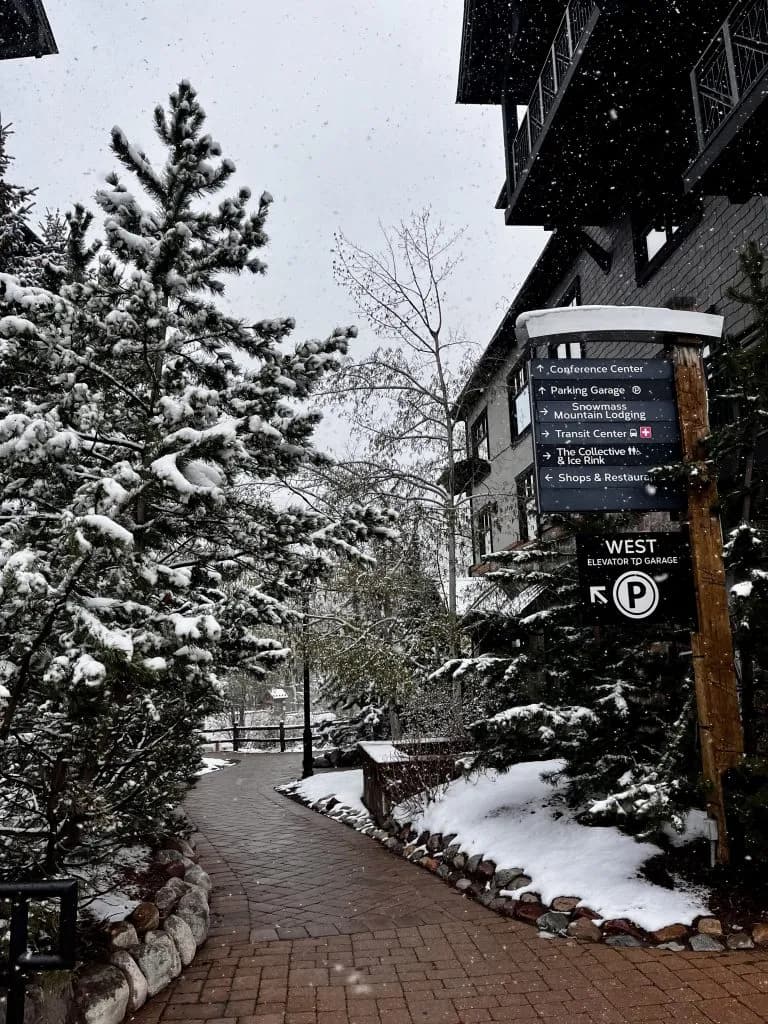
Aspen —$14 million is what it costs to build a dozen new homes in our area, a price tag that's hard to swallow when considering the state's current drought conditions. But that's not the story here. The real concern is the snow forecasted to hit our mountains, a welcome sight for skiers and snowboarders, but a mere drop in the bucket when it comes to alleviating the drought.
National Weather Service meteorologist Lucas Boyer says the recent pattern of wetter, cooler weather will continue into May, offering some relief, but not enough to make a significant dent in the drought. The truth is, we've been so dry for so long that even average precipitation for April won't be enough to move the needle. In Meeker, for example, the amount of liquid precipitation is 3 inches below normal, roughly one-quarter of what it usually is. Other areas, like Aspen, are doing slightly better, but still have a long way to go to recover from the drought.
The storm system moving in on Thursday and Friday is expected to bring measurable snow to the mountains, with totals ranging from 5 to 13 inches. The highest amounts are expected on the Front Range and in the Mosquito Range. But let's do the math - the forecasted snowfall sounds like a lot, but when you consider the severity of the drought, it's hardly a solution. For context, the U.S. Drought Monitor shows nearly the entire Western Slope under extreme or exceptional drought conditions.
Boyer warns drivers to take care on Thursday night and Friday morning, especially along the I-70 corridor near Vail Pass, where snowfall could create slick roads. Thunderstorms are also possible. Scattered rain and snow showers may continue through the weekend, but another period of unsettled weather is likely to kick in around Monday.
Looking ahead, Colorado is expected to trend slightly wetter, but also hotter, over the next two weeks. This is not a guarantee, and everyone in the state is hopeful that the wetter weather will continue to hold fire danger at bay. But as Boyer says, "We're just getting a reprieve, at least, from the critical fire weather conditions because we have a little bit of moisture on the ground keeping our relative humidity up."
In practice, this means that while the snow and rain may provide some temporary relief, the underlying issues of drought and fire danger remain. The National Oceanic and Atmospheric Administration predicts that drought conditions will persist across the West, and that dry conditions are expected to improve for some areas in the Midwest and Atlantic seaboard.
For folks around here, the practical impact is clear - we can expect more snow and rain this week, with temperatures hovering closer to normal. But we should also be prepared for the long-term effects of drought, and the potential for increased fire danger as the weather warms up. The cost of drought mitigation and fire prevention is not just financial - it's also a matter of public safety.
The bottom line is that while the snow and rain may provide some temporary relief, the state's drought conditions are far from over. As we move forward, the long-term implications of drought and fire danger must be considered, and steps must be taken to mitigate these risks. For now, the forecast is calling for more snow and rain, but the real challenge lies in addressing the underlying issues that have led to this point.
In the short term, the focus will be on managing the immediate effects of the storm, including potential power outages and transportation disruptions. But as the weather begins to warm up, the focus will shift to fire prevention and drought mitigation. The cost of inaction will be high, and the reality of our situation demands that we start making plans for the future. The Western Slope is facing some of the worst drought conditions in the country, and it's up to us to take action.
The numbers are clear - the forecasted snowfall is not enough to alleviate the drought, and the long-term forecast is calling for continued dry conditions. It's time to take a hard look at the reality of our situation and start making plans for the future. The Western Slope is facing some of the worst drought conditions in the country, and it's up to us to take action.
For context, the state's drought conditions are so severe that even average precipitation for April won't be enough to make a significant dent. The U.S. Drought Monitor shows nearly the entire Western Slope under extreme or exceptional drought conditions. The cost of drought mitigation and fire prevention is not just financial - it's also a matter of public safety.
The practical impact of the drought is clear - we can expect continued water restrictions, increased fire danger, and potential disruptions to our daily lives. The cost of inaction will be high, and the reality of our situation demands that we start making plans for the future. The focus will be on managing the immediate effects of the storm, but as the weather begins to warm up, the focus will shift to fire prevention and drought mitigation.
Let's do the math - the cost of drought mitigation and fire prevention is not just financial, it's also a matter of public safety. The state's drought conditions are so severe that even average precipitation for April won't be enough to make a significant dent. The U.S. Drought Monitor shows nearly the entire Western Slope under extreme or exceptional drought conditions. The practical impact is clear - we can expect continued water restrictions, increased fire danger, and potential disruptions to our daily lives.
On paper, the forecast may look promising, but in practice, the reality is much more complex. The state's drought conditions are far from over, and we must take proactive steps to address these issues. The cost of inaction will be high, and the long-term implications of drought and fire danger must be considered. The focus will be on managing the immediate effects of the storm, but as the weather begins to warm up, the focus will shift to fire prevention and drought mitigation.
The bottom line is that while the snow and rain may provide some temporary relief, the state's drought conditions are far from over. The cost of drought mitigation and fire prevention is not just financial - it's also a matter of public safety. The practical impact is clear - we can expect continued water restrictions, increased fire danger, and potential disruptions to our daily lives. It's time to take a hard look at the reality of our situation and start making plans for the future. The Western Slope is facing some of the worst drought conditions in the country, and it's up to us to take action.
This will cost taxpayers, and the financial burden will be significant. The state's drought conditions are so severe that even average precipitation for April won't be enough to make a significant dent. The U.S. Drought Monitor shows nearly the entire Western Slope under extreme or exceptional drought conditions. The practical impact is clear - we can expect continued water restrictions, increased fire danger, and potential disruptions to our daily lives. The focus will be on managing the immediate effects of the storm, but as the weather begins to warm up, the focus will shift to fire prevention and drought mitigation.
In the end, the cost of inaction will be high, and the long-term implications of drought and fire danger must be considered. The state's drought conditions are far from over, and we must take proactive steps to address these issues. The practical impact is clear - we can expect continued water restrictions, increased fire danger, and potential disruptions to our daily lives. The Western Slope is facing some of the worst drought conditions in the country, and it's up to us to take action. This will be a significant challenge, and the financial burden will be substantial.
Keep up with Aspen
The day's Western Slope news, one email each morning. Free.

S&P 500 Slips Modestly as Weak Retail Sales and Oil Prices Drive Market Correction

Aspen Essay Connects Generations Through Highway 82 Landmarks