Western Slope Families Feel Inflation Squeeze Amid Rising Energy Costs
Inflation hits a three-year high as surging energy costs and a 23% jump in wholesale gasoline prices squeeze Western Slope households, widening the gap between Wall Street gains and Main Street struggles.

Aspen —The smell of burnt diesel hangs heavy in the air off I-70, a sharp, acrid reminder that the price at the pump isn’t just a number on a digital display — it’s a tax on your morning commute, your weekend drive to the ski area, your ability to get to the hospital in Grand Junction without checking your bank account twice. For weeks, we’ve been told that inflation is cooling, that the Federal Reserve’s tightrope walk is succeeding, that the worst of the pain is behind us. But if you look closely at the receipts from the local grocery store and the monthly statements from the credit unions around here, that narrative feels less like a forecast and more like a comforting lie we tell ourselves to get through the week. The economy isn’t just shifting; it’s tightening, and the squeeze is hitting the Western Slope’s wallet with a force that feels personal, immediate, and increasingly difficult to ignore.
Inflation hit a three-year high last month, driven largely by the surge in energy costs that followed the start of the Iran war, a geopolitical flashpoint that might seem distant on a map but is felt immediately in the price of heating oil and gasoline here in the valley. Consumer prices rose 4.2% in May from a year earlier, climbing from 3.8% in April, marking the third straight increase. That’s not a statistical blip; that’s a compounding erosion of purchasing power. While the broader story suggests that inflation hasn’t spread too far outside of energy, the reality on the ground is that wholesale gasoline prices surged more than 23% from April to May, and nearly 70% from a year earlier. You don’t need a degree in economics to know that when the cost of moving goods up the valley doubles, the cost of the goods themselves follows.
And yet, while the rest of us are calculating the cost of a gallon of diesel to haul hay or commute to the office, the world’s richest man, Elon Musk, became the first trillionaire. Shares in his rocket company, SpaceX, soared 25% after opening for trading Friday, pushing his net worth over the $1.1 trillion mark. It’s a dizzying, almost absurd sum, a number so large it ceases to be money and becomes a force of nature. But how does a trillionaire’s wealth intersect with the family in Delta who is deciding whether to replace their truck or fix the roof? The contrast is stark. On one side, a market value of $2.21 trillion for a single company, fueled by investor optimism. On the other, a producer price index that jumped 6.5% from May 2025, fueled by energy costs that are eating into the margins of local businesses.
The disconnect between Wall Street’s rally and Main Street’s struggle is widening. The Labor Department reported that producer prices climbed at the fastest pace since November 2022, fueled by the same energy surge that is keeping the local gas station busy. Excluding volatile food and energy, core wholesale prices rose 4.9% from May 2025, a figure that suggests the underlying pressure is still there, even if headline numbers fluctuate. If the Iran war ends and oil prices decline, as some analysts predict, headline inflation might cool. But that’s a conditional hope, not a guarantee. The infrastructure of our daily lives — roads, schools, healthcare, is built on the expectation of stability, and right now, stability feels like a luxury.
Social Security’s retirement trust fund faces a funding shortfall in 2032, a year earlier than expected, while Medicare’s hospital insurance trust fund will be unable to pay full benefits in 2033. These aren’t just abstract dates on a government report; they are the ticking clocks for the generation that built this town, the ones who remember when a dollar bought more than just gas. Rising healthcare costs and government spending have contributed to this depletion, creating a fiscal pressure that will eventually trickle down to every taxpayer in Colorado.
There’s a warmth to the community here, a resilience that comes from knowing your neighbors and sharing resources, but resilience has its limits. As the sun sets over the Uncompahgre Valley, casting long shadows across the orchards and the ski slopes, the question isn’t just whether the stock market will rally tomorrow. It’s whether the people who work the fields, drive the buses, and teach the kids can afford to stay. The numbers don’t lie. The prices don’t lie. And the silence from officials about what this means for the average household’s budget is louder than any rally on Wall Street.
Keep up with Aspen
The day's Western Slope news, one email each morning. Free.


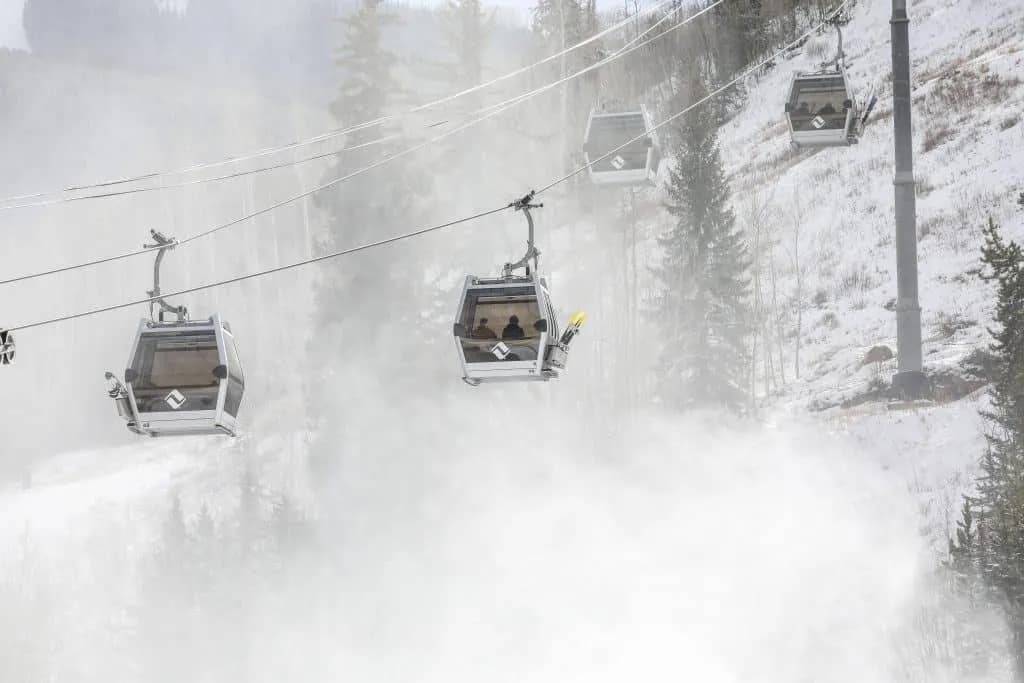
The digital counter on the side of the bus in Carbondale ticks over, but the seats inside are half-empty

Eagle County Launches Aging Well Roadmap To Keep Seniors Housed