Western Slope Homeowners Embrace Neuroaesthetics for Health
Neuroaesthetics is reshaping Western Slope interiors as residents prioritize health benefits over pure aesthetics. New research links nature-inspired designs to reduced stress and improved mood.
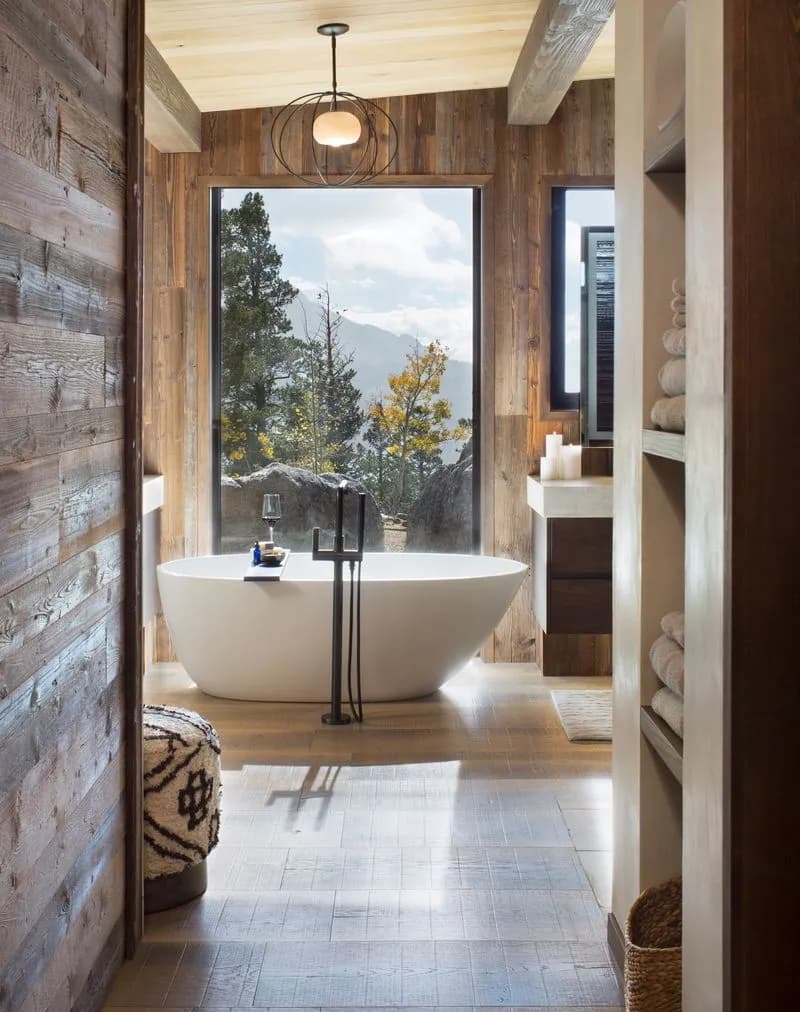
Aspen —“We’re no longer designing just to make a room pretty; we’re designing now from what they call a salutogenic perspective. Salutogenic means designing for the purpose of creating health,” says Mike Peterson, founder of Science in Design.
Peterson’s statement captures a shift that has moved from the back of academic journals into the front porches and living rooms of the Western Slope. For decades, we’ve felt that a view of the mountains or the smell of cedar helps us breathe easier. We just didn’t have the vocabulary for it, or the data to back it up. Now, that intuition has a name: neuroaesthetics.
The term was coined in the late 1990s by Semir Zeki, a professor at University College of London, as brain scanning technology finally matured enough to measure the physical response to beauty. The research is no longer confined to labs. Scientists now use wearable sensors to track changes in breathing, temperature, heart rate, and skin conductivity when people are exposed to natural environments. The results are consistent: pleasing, nature-inspired spaces slow the heart rate, lower blood pressure, and reduce stress hormones. Simultaneously, they boost serotonin, dopamine, and oxytocin — the chemical cocktail behind creativity and concentration.
For locals, this science is already embedded in the landscape. We live in a region where the roofline of every home is defined by pine and aspen, and where the air itself carries a specific scent profile that urban dwellers often struggle to replicate. But the application is expanding beyond passive observation into active design choices.
Brielle M. Strauss, marketing director for Arrigoni Woods in Minturn, sees this shift playing out in the materials people bring into their homes. Arrigoni Woods specializes in incorporating wood into structures, ranging from reclaimed timber that might carry 150 years of history to sustainably harvested wood from managed old-growth forests in the Austrian mountains.
“Spaces that emulate nature calm us down,” Strauss says. “There’s a comfort when nature surrounds you, so whether it’s through nature sounds or scents or patterns or anything like that, the results are reduced anxiety, improved sleep, better mood and improved energy. Overall, it just lowers stress.”
To her, the appeal isn’t just visual; it’s sensory and visceral. “At the core is an appreciation for all that sensory information that we get from wood,” she explains. “Our senses and our brains respond … to bringing in that sense of life.”
This creates a new calculus for homeowners and developers. When you renovate a home in Vail or build a cabin near Aspen, the decision to use certain materials is no longer just about aesthetics. It’s a health intervention. Peterson, who offers education in neuroaesthetics and biophilia, argues that this is one of the most exhilarating developments in architecture within the last century. People increasingly expect wellness-focused environments, and designers are responding by prioritizing documented health outcomes over superficial beauty.
The question is whether this trend will remain a luxury for those who can afford high-end reclaimed wood and custom interiors, or if it will become the baseline expectation for public spaces, schools, and offices across the valley. As the science solidifies, the line between "nice to have" and "necessary for health" continues to blur.
Strauss sees the trajectory clearly. “Overall, it just lowers stress,” she says.
Keep up with Aspen
The day's Western Slope news, one email each morning. Free.