Western Slope Residents Losing Resilience
Columnist Whiting discusses the decline of resilience in Western Slope residents, citing examples of fragility and entitlement in daily life.
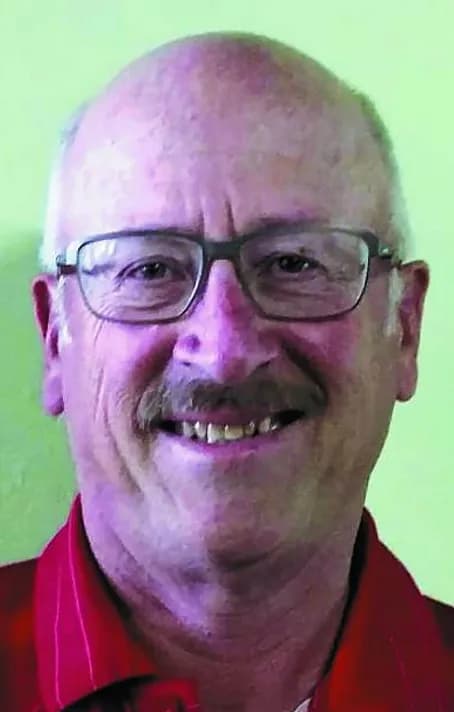
Glenwood Springs —The sun rises over the Rocky Mountains, casting a golden glow over the Western Slope. Folks around here are known for their resilience, their ability to withstand the harsh conditions of the high desert. But, as columnist Whiting notes, this resilience may be waning. Whiting asks, how did we become so fragile?
We're talking about a shift in the American psyche, one that values ease over effort, and comfort over challenge. It's a trend that's been building for years, and it's not just about the big things. It's about the small stuff too, like the panic that sets in when the clocks spring forward for daylight saving time. Not exactly the kind of toughness we're used to, is it? Our grandparents, who lived through the Great Depression and World War II, would likely be shocked by our inability to handle a simple time change.
And then there's the issue of seasonal affective disorder. While it's a real condition, using it as an excuse for not being able to cope with the changing seasons is, as Whiting puts it, weak. Animals don't get to take a pass on winter just because it's cold, and neither should we. We need to be smarter, more adaptable, and more resilient than that.
The rise of weight-loss pills like Ozempic is another indicator of our growing fragility. Instead of putting in the hard work to eat well and exercise, we're looking for a quick fix. We're willing to pay money and risk negative side effects just to avoid the effort of taking care of our bodies. That's not the kind of dedication and perseverance that built this country.
We've all seen people behave in ways that are, frankly, embarrassing. Like the guy who yells at a waitress just because he can, or the person who deliberately walks slowly across the street to assert their dominance. What does that say about our lives, when those are the ways we feel like we can be in control? Whiting recounts a story about the toilets in a restroom near his classroom, which were often left unflushed. He suggests that this behavior is a symptom of a deeper issue, one in which people feel the need to exert power over even the most mundane things.
As Whiting notes, our fragility is often rooted in a sense of entitlement. We feel like we deserve a life without challenges or disagreements, and we get angry when things don't go our way. We blame external factors for our problems, instead of taking responsibility for our own lives. We allow ourselves to be pigeonholed into extreme political positions, rather than seeking common ground. And we demand that others provide for us, rather than taking care of ourselves. That's not just fragile, it's also arrogant.
The consequences of this fragility are far-reaching. When we give up our freedom and autonomy in exchange for comfort and security, we lose something essential to our humanity. We become weaker, less resilient, and less able to cope with the challenges of life. As Whiting puts it, entitlement is an expression of weakness. And when we demand that others provide for us, we're giving up our power and our agency.
The image of Stalin, reportedly reinforcing the ease with which totalitarian regimes can control people, is a stark reminder of what can happen when we give up our freedom and autonomy. It's a warning, one that we should heed. As the sun sets over the Western Slope, we're left to ponder the cost of our fragility, and the path we must take to regain our resilience, our grit, and our determination. The answer, much like the landscape itself, is complex and multifaceted. But our future depends on taking a hard look at ourselves, and our place in the world.
Keep up with Glenwood Springs
The day's Western Slope news, one email each morning. Free.

Battle Mountain Huskies Defeat Glenwood Springs to Secure Playoff Host
Pueblo Teacher Challenges Silent Incumbent in Colorado Education Race