Colorado Invests $12 Million in Wildfire Mitigation Along Highways
The Colorado Department of Transportation is allocating $12 million to mitigate wildfire risks along Western Slope highways, targeting high-risk areas and removing hazardous trees and fuels.
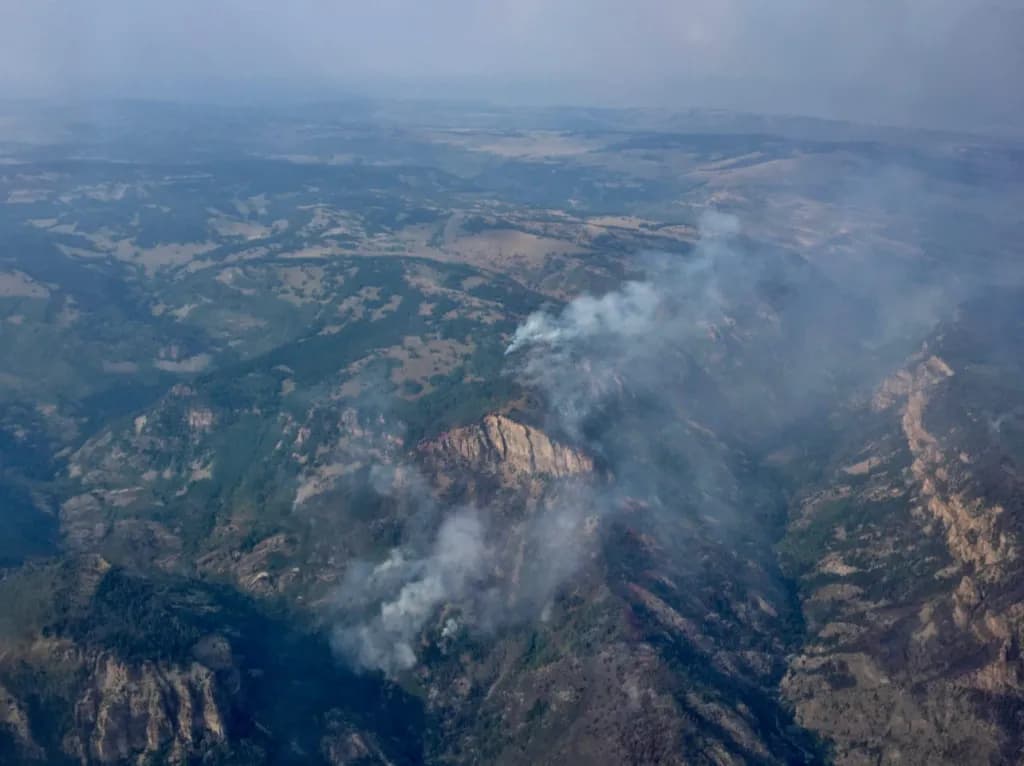
Glenwood Springs —What does $12 million in wildfire mitigation efforts along Western Slope highways mean for local commuters — will it actually reduce the risk of catastrophic fires? CDOT's plan to repurpose unused snowplow funds for summertime wildfire mitigation is a direct response to the state's record-low snowpack and severe drought conditions. Make no mistake, this is a significant investment — $12 million is what Delta County spends on road maintenance in a year. The Colorado Department of Transportation will use this funding to target high-risk areas along the state's highways, including the Interstate 70 mountain corridor, which is expected to be at above-average risk of significant wildland fires by June.
According to CDOT Deputy Director of Operations Bob Fifer, the transportation department will leverage a Colorado State Forest Service Wildfire Risk Map to determine where to focus their efforts. Fifer stated, "When you have 9,000 miles, or 24,000 lane miles, of road, where do you start mitigation?" The answer lies in identifying the most vulnerable areas and using data to drive decision-making. CDOT will prioritize areas with the highest probability of burning and focus on removing diseased trees and trees that are 50% dead or more within the first 15 feet of the right-of-way. Most of the wood will be chipped and slashed, then left on site to decompose, while larger blocks and diseased trees will be removed.
The plan also includes removing ladder fuels, like lower branches, that could carry a fire up into the crown of the forest, and cutting stumps to about 4 inches off the ground. CDOT Deputy Director of Maintenance Jim Fox noted that crews typically mow the right-of-way along the state's highways twice a year, once in the spring and once in the fall. However, the specifics of how this will be implemented, especially in areas with sensitive ecosystems, remain unclear. Fifer emphasized that "the highways are natural fire lines or fire breaks" that can help slow the spread of wildfires and provide a strategic advantage for firefighters.
The Western Slope, including areas like Grand Junction and Glenwood Springs, will be a primary focus of these efforts. As Fifer said, "It just doesn't look good for us", the state is expecting a drought, and the snowpack has already peaked and melted off rapidly. More than half of the state is experiencing severe drought, with the northwest corner of Colorado facing extreme drought. The National Interagency Fire Center predicts that the Western Slope will be at above-average risk of significant wildland fires by June.
Read that again; above-average risk by June. That's a stark prediction, and one that warrants serious attention from local authorities and residents. The short version is that CDOT's plan is a significant investment, and its success will depend on effective implementation and ongoing maintenance. As the situation continues to unfold, it's worth watching how CDOT allocates its resources and whether this effort will be enough to mitigate the risk of catastrophic fires in the region. The $12 million investment acknowledges the state's wildfire risk, and locals will be waiting to see the tangible results of this effort. What's not being said is how this plan will be sustained in the long term, and whether it will be enough to address the underlying issues driving the state's drought and wildfire risk.
Keep up with Glenwood Springs
The day's Western Slope news, one email each morning. Free.



Twin Lakes Releases 2,500 Acre-Feet to Save Upper Arkansas River

Glenwood Springs Resident Calls for Active Citizenship Amid AI Data Center Water Threats