White River National Forest Campers Conserve Water Amid Dry Wells
Historically low snowpack causes thinning water supplies in White River National Forest campgrounds like Lowry and Prospector; Recreation Program Manager Paula Peterson urges campers to fill RV tanks at home to extend seasonal water availability.

Aspen —The obvious assumption is that a dry well means a dry campsite. That’s not what’s happening in the White River National Forest this summer. The wells are still there. The pipes are still connected. But the water inside them is thinning out, fast, because the snowpack that usually feeds them has historically low volume.
This isn’t a total shutdown. It’s a squeeze.
Paula Peterson, the White River National Forest Recreation Program Manager, is asking campers to change their habits before they even pack the car. The warning is specific: conserve water, and do it early.
“The wells that serve our campgrounds may be starting with less water due to the light snowpack, so we’re asking all campers to conserve water,” Peterson said.
The advice is practical, not punitive. Fill your RV tanks at home. Don’t wait until you’re parked at the campground to hook up to the spigot. If you use the campground’s water to fill your tank, you’re drawing down the supply that everyone else needs for the rest of the season. It’s a simple math problem that most folks miss when they’re excited to get out of town.
“This includes filling up any holding tanks in RVs at home rather than at the campground so that our water supplies last the whole season,” Peterson added.
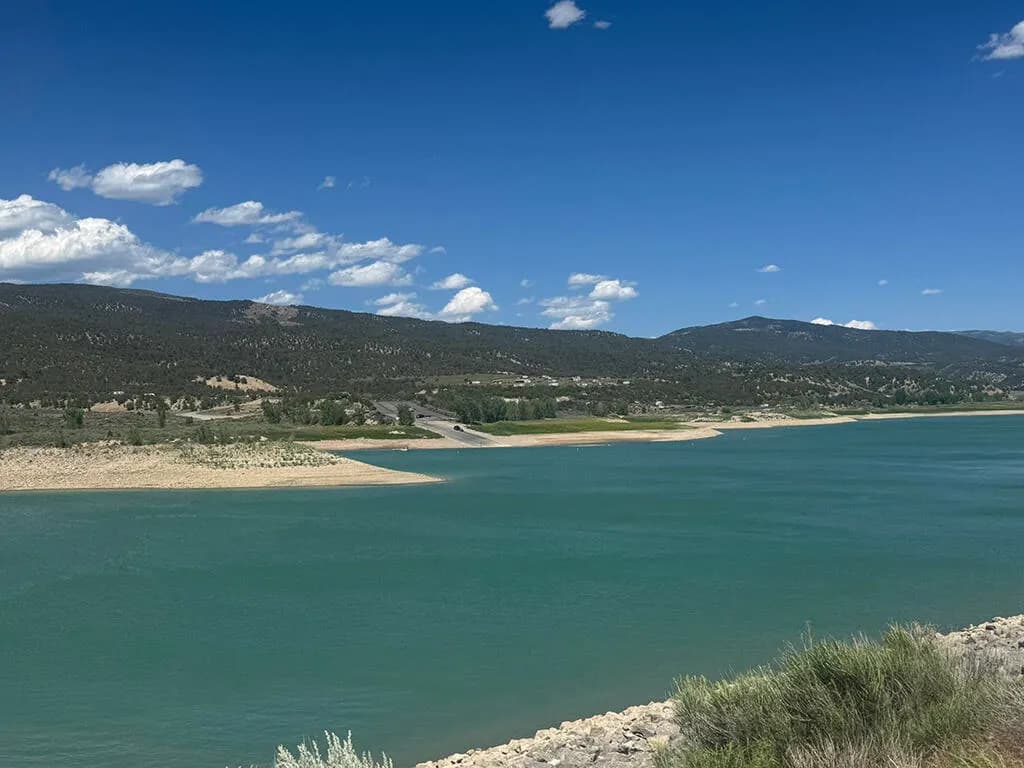
The impact is already visible at specific sites. The Lowry and Prospector campgrounds, along with the Windy Point Group Site at the Dillon Reservoir, currently have no water at all. Their wells are dry this spring. If you’re planning to camp there, you’re bringing your own water. You’re not just bringing it for drinking; you’re bringing it for everything. Showers, flushing, cooking. All of it.
The White River is the nation’s most visited national forest. It’s not some remote backcountry outpost. It’s the place people go when they want a mountain view without a six-hour drive. And because it’s so popular, the pressure on infrastructure is high. A dry well in a high-traffic area doesn’t just inconvenience a few campers; it changes the entire experience for thousands.
Visitors need to check the White River National Forest website before leaving. The conditions change. Fire restrictions are tied to the drought, and those restrictions vary by area. Some places allow fires, some don’t. If fires are allowed, you have to be careful. Leave the fire unattended for an hour, and it might still be hot enough to burn you. Ensure it’s cold to the touch before you walk away.
The context here is the historically low snowpack. Colorado has been dealing with this for years, but the numbers this year are stark. The water that fell as snow in the mountains is melting earlier and in lesser quantities. That means less water in the wells that serve these campgrounds. It’s not a temporary glitch. It’s the new normal for a lot of these high-elevation sites.
The Forest Service isn’t closing the parks. They’re asking for cooperation. It’s a shift from infrastructure failure to behavioral management. The water is there, but it’s tight. If you use it wisely, it lasts. If you don’t, you’re left dry in a place that’s supposed to be a retreat.
The question is whether campers will listen. The advice is simple. Fill up at home. Check the website. Bring extra water. It’s not a crisis, but it’s a reminder that the resources we take for granted are finite.
“Fires should never be left unattended,” Peterson noted, tying the water issue to the fire risk that comes with it.
The message is clear. The water is low. Act like it is.
Keep up with Aspen
The day's Western Slope news, one email each morning. Free.