Yampa Valley Crane Conservation Coalition Seeks $5,000 to Rebuild Nest Camera
The Colorado Crane Conservation Coalition needs $3,875 more to replace a wind-blown tree with a sturdy pole for their popular Yampa Valley sandhill crane nest camera before winter.
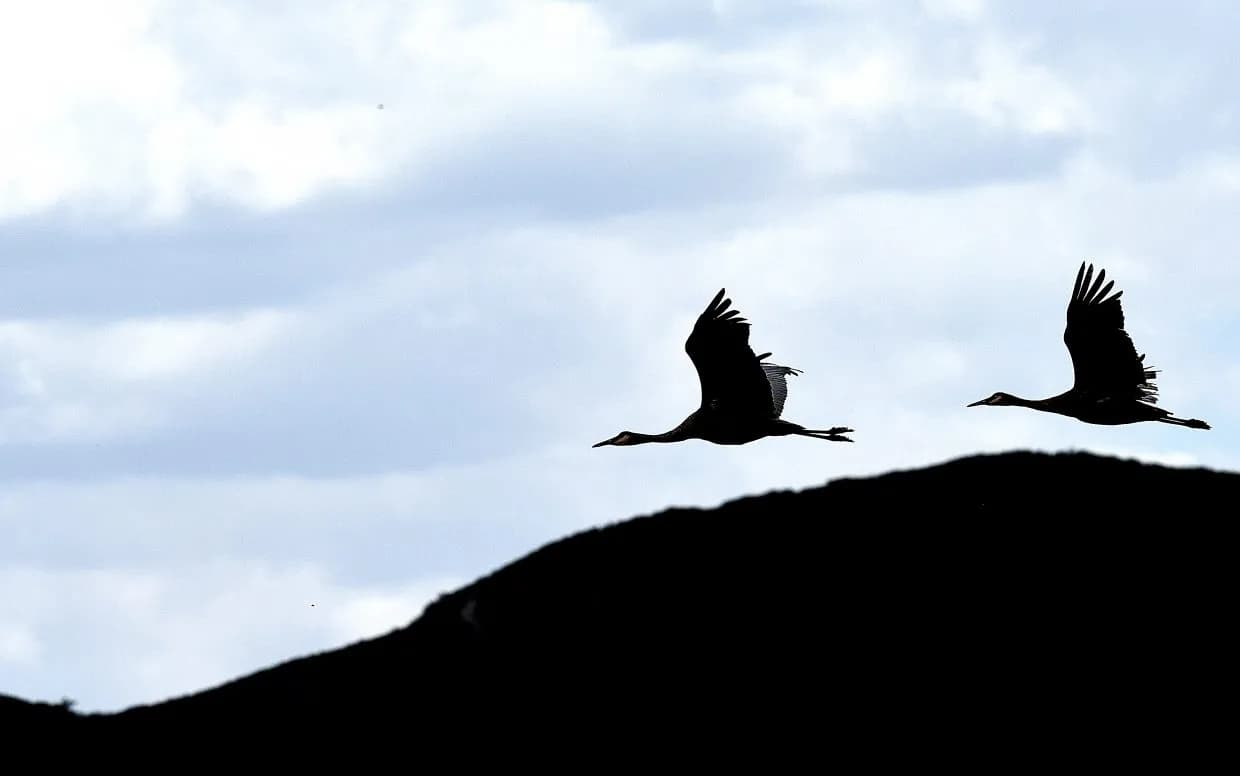
Steamboat Springs —“The first year of the nest camera they had a pole installed, but it wasn’t where the cranes ended up nesting in future years. So, they moved it to this tree, and the whole tree got taken down by these winds,” said Megan Karschner, executive director of the Colorado Crane Conservation Coalition.
That tree is gone. The camera is dead. And now, the coalition is asking the public for $5,000 to fix it.
It sounds like a simple repair job until you realize the "simple" part relied on a living, breathing tree that apparently couldn't handle a gust of wind. The camera system was mounted directly into the wood, not on a standalone pole. When the winds hit in late May, the tree didn’t just lose its leaves; it lost its structural integrity. The camera followed it down.
Nancy Merrill, the coalition’s president, was shocked when the live feed cut out on May 28. “We felt that tree was unmovable,” she said. Turns out, it was movable. It just moved in a direction that destroyed the equipment.
The loss isn’t just sentimental. This isn’t a decorative bird feeder. The Crane Nest Cam has been streaming from the Yampa Valley since 2021, providing real-time data on sandhill crane behavior. This spring, it captured a pair hatching two chicks after losing their first egg to predation. It tracked the family for weeks. It showed the diversity of wildlife in the wetland. It gave locals a window into the ecosystem without requiring them to trudge through mud in March.
Now, the coalition needs to rebuild. They’ve raised $1,125 of the $5,000 target. That leaves a $3,875 gap.
Merrill says the money will go toward installing a proper pole this time, mounting the camera, and covering operational costs. Karschner is optimistic they can have it back up before the snow flies in the Yampa Valley. The deadline is tight. They need everything set up, tested, and in the ground before winter sets in.
“We’ve got to get everything set up, tested and in the ground before winter comes because things need to be up and running in March for the next season, and that’s not the ideal time to try to sink a pole in the ground,” Karschner said.
Sinking a pole in frozen ground is harder, slower, and more expensive than doing it in soft dirt. If they miss the window, the system goes dark until next spring. That means no live feed for the chicks. No data for the scientists. No entertainment for the folks who tune in to watch cranes do crane things.
The coalition is committed to rebuilding a stronger system. A pole is stronger than a tree. It’s less likely to be toppled by a windstorm. It’s less likely to rot. It’s a better long-term investment. But it costs money.
$5,000 isn’t a fortune for a major infrastructure project. It’s not even a lot for a county road repaving. But for a niche conservation group relying on public donations and grants, it’s a significant chunk of change. The fact that they’re already 22% funded is good. It shows people care. But 78% is still missing.
The camera provided scientific knowledge. It provided community engagement. It provided a way to watch nature without disturbing it. Losing that feed for a year is a loss for the whole valley.
The coalition wants it back before the snow. They want it better. They want it to last. The question is whether the community will pony up the rest of the cash to make that happen. If they don’t, the cranes will still nest. They’ll still hatch chicks. They’ll still thrive. But we won’t see it. We’ll just have to trust the data and hope the next windstorm is gentle.
Keep up with Steamboat Springs
The day's Western Slope news, one email each morning. Free.