Yampa Valley Flood Irrigation Recharges Groundwater and Cools River
Colorado State University studies reveal that flood irrigation in the Yampa Valley acts as a 'loan with interest,' returning 80% of diverted water to the river while filtering sediment and storing carbon.
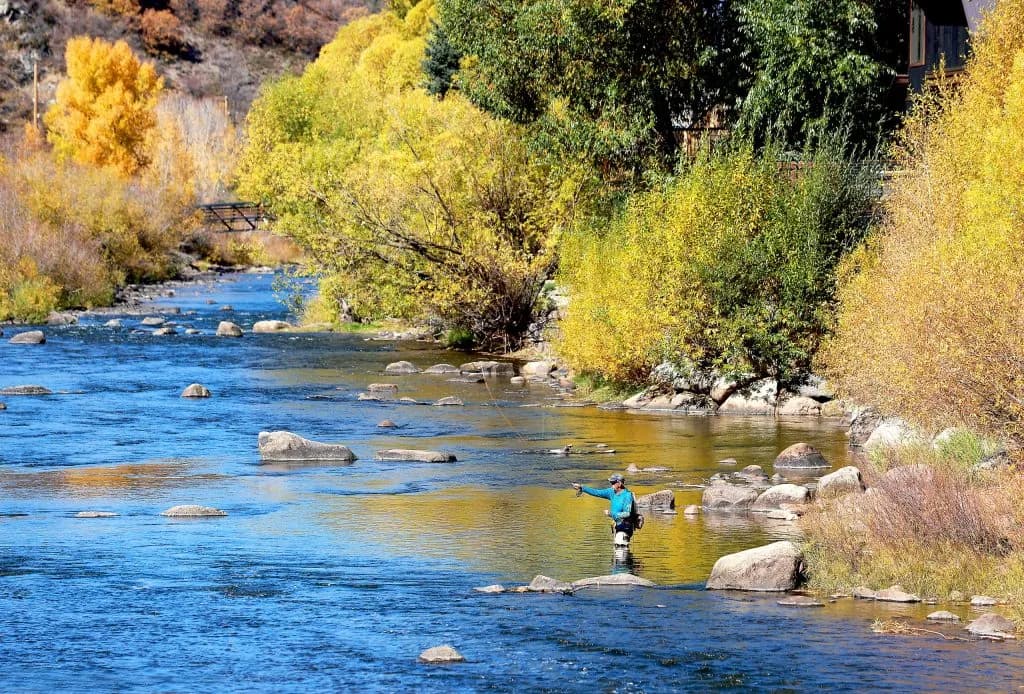
Steamboat Springs —What happens to the water that leaves your neighbor’s field in June, and does it actually come back to you?
It’s a question that cuts through the usual debates about drought and dams, landing instead in the mud and meadow grass of the Yampa Valley. For generations, locals have watched snowflakes drift from the quiet breath of the Rockies, settling into a white blanket that holds the valley’s future in its frozen grip. When spring thaws, that snow yields to water, and millions of droplets join the ancient rhythm of the Yampa River. But not all of it rushes straight down to the Colorado. Some of it takes a detour, crossing hay meadows in the upper valley, following the contours of the land through earthen ditches that have served ranchers since they first settled here.
This is flood irrigation, and it’s often misunderstood as a wasteful relic of the past. If you look closely at the unlined channels, however, you see a different story — one of "beneficial inefficiency." As water moves through these networks, much of it seeps from the banks into the aquifer below. It doesn’t disappear; it hides, waiting. Water that reaches the meadows follows a similar path, percolating through rocky, permeable soils below the root zone to recharge groundwater, raise the water table, and return to streams later in the season. The rest continues over the surface, eventually rejoining the river.
A recent study by Colorado State University Professor Ryan Bailey quantified these hydrologic fluxes in the White River Basin, and the numbers are surprisingly generous. He found that about 80% of diverted irrigation water returns to the river as groundwater, known as late-season return flows. That’s not a loss; that’s a loan with interest. The study also highlighted flood irrigation’s important role in wetland development, creating habitats that wouldn’t exist if every drop were captured and piped away.
But there’s more to it than just volume. Another CSU study, headed by agricultural data scientist AJ Brown, monitored inflow and outflow water at irrigated hay meadows in the Yampa and Gunnison river basins. Mr. Brown found that these irrigated mountain meadows had lower levels of sediment, absorbed certain nutrients, and contained high levels of organic matter serving as carbon sinks. In other words, the hay fields aren’t just producing feed for summer cattle grazing; they’re filtering the water, cooling it, and storing carbon.
You can feel the warmth of this system in the way the land breathes. The semi-arid landscape relies on this high-quality hay for overwinter feed, yes, but the ecosystem services are just as vital. Groundwater return flows may also be cooler, improving water quality for downstream users. It’s a cycle that mimics the natural hydrologic cycle of riparian corridors, a dance between surface and subsurface that has sustained this valley long before modern engineering tried to control every drop.
So, when you drive past the meadows and see the water creeping slowly over the grass, don’t just think of it as irrigation. Think of it as the valley’s way of keeping its promise to the river, to the aquifer, and to the next generation of ranchers who will inherit this dry, beautiful land. The water doesn’t just vanish; it lingers, seeps, and waits, ready to return when the heat of summer demands it.
Keep up with Steamboat Springs
The day's Western Slope news, one email each morning. Free.




Craig Press Merges Two Magazines to Define Northwest Colorado’s Outdoor Identity

Steamboat Reporter Completes 409.6-Mile RAGBRAI Ride in Iowa