Yampa Valley Regional Transportation Authority Plans New Bus Service
The Yampa Valley Regional Transportation Authority is working to introduce fixed-route bus service and improve public transportation in Routt and Moffat counties.
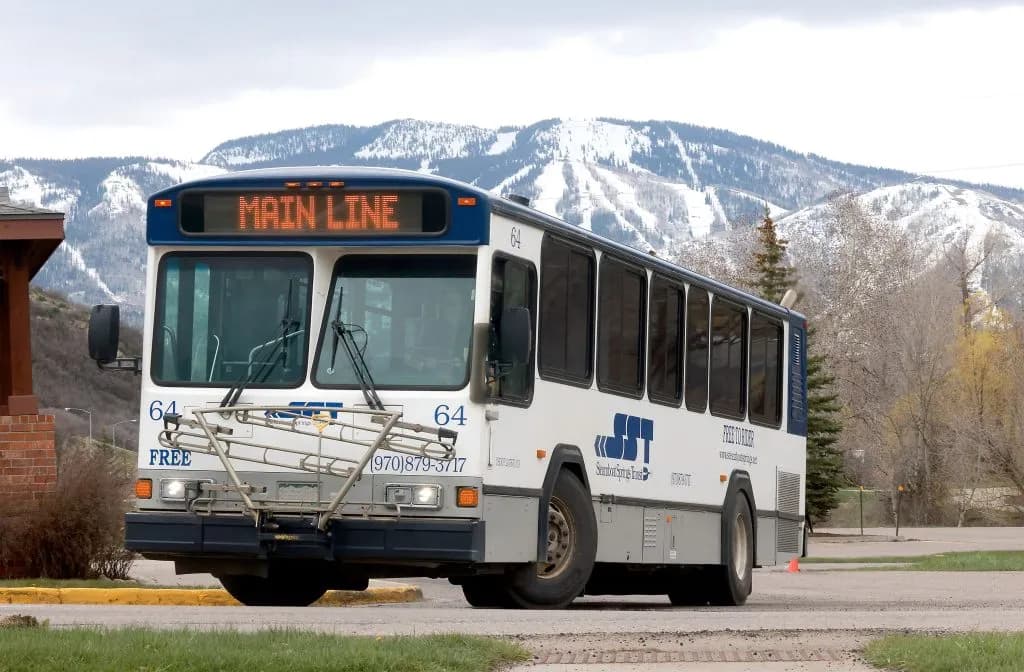
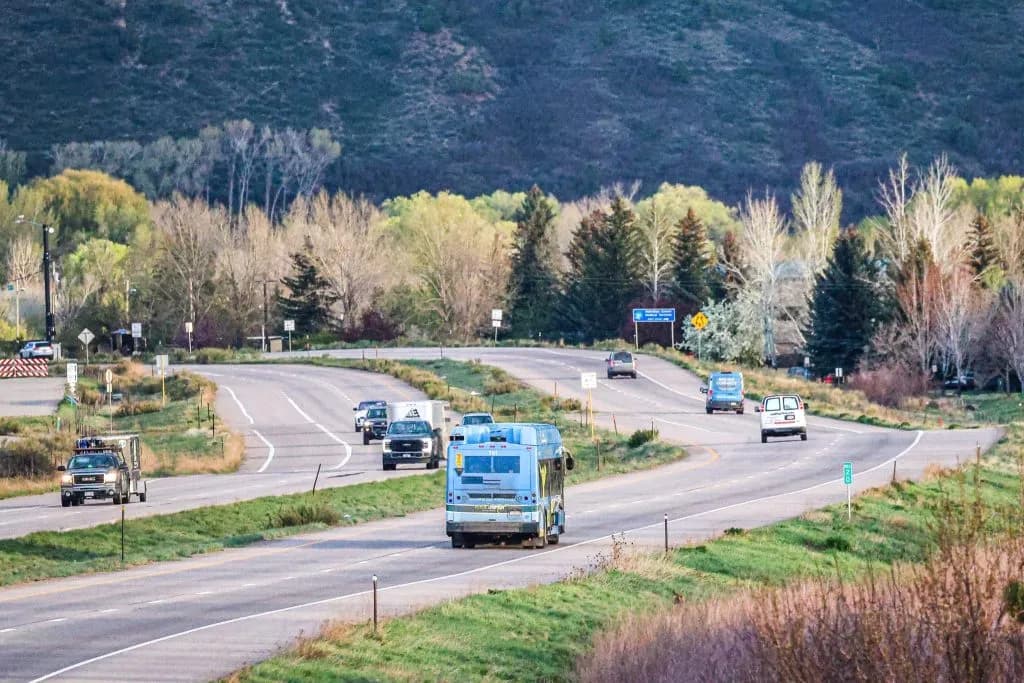
Steamboat Springs —Snowflakes fall gently on the empty parking lot of the Yampa Valley Regional Airport, a stark contrast to the bustling activity that will soon fill the space — ground transportation options to and from the airport are part of the authority's plans. The sound of cars driving by on nearby Colorado Highway 131 is a reminder of the authority's top objective: introducing fixed-route bus service between Steamboat, Oak Creek, and Yampa. This will be a significant change for locals who currently rely on personal vehicles or limited transportation options.
The Yampa Valley Regional Transportation Authority is taking steps towards launching coordinated transit service across Routt and Moffat counties. At their February meeting, the board voted to financially partner with Bank of Colorado and adopted organizational bylaws. The authority's main goal is to improve bus service between communities, add new local routes, and make public transportation more reliable and accessible for residents, workers, and visitors. Plans include establishing a new local circulator bus route within Craig and creating park-and-ride lots for commuters.
The RTA board has begun tackling administrative hurdles, adopting the Steamboat Pilot & Today and Craig Daily Press as its newspapers of record. They've also established an executive advisory committee to provide a legal foundation for board officers to prepare agendas and take authorized actions between meetings. Worth watching is how the board navigates the hiring process for the executive director, a position that will be crucial in shaping the authority's future. The board has approved a resolution creating a hiring committee, composed of two board members and two outside experts.
Steamboat Springs City Councilor John Agosta and Hayden Mayor Ryan Banks will serve as the board representatives on the hiring committee. Steamboat Springs Transit Manager Jonathan Flint will represent the local transportation perspective. The committee will develop a job description, weigh the pros and cons of employment terms, and decide whether to utilize a search firm. They will also create metrics of success for the future executive director. Make no mistake, this hire will be critical in determining the success of the authority's plans.
The authority's 2026 budget presentation was a significant portion of the meeting, with advisement from Kaplan Kirsch attorney Lovely Johnson. RTA Chair Sonja Macys noted a line item for the total compensation package for the future executive director, currently estimated at $275,000. This figure is subject to change as the hiring committee moves forward. The short version is that the authority is taking a thoughtful approach to hiring its executive director, recognizing the importance of this role in achieving their goals.
As the authority moves forward, folks around here will be paying close attention to how the plans unfold. The introduction of fixed-route bus service on Colorado Highway 131 will be a significant development, potentially changing the commute for many locals. The creation of park-and-ride lots and ground transportation options to and from the airport will also have a notable impact on the community. People in the valley are waiting to see how these plans will improve their daily lives.
The regional transportation plans are ambitious, and the community will be watching to see how they are implemented. The goal of making public transportation more reliable and accessible is one that will benefit many, from residents and workers to visitors. As the hiring committee works to find the right candidate for the executive director position, the community will be eager to see how this new leadership will shape the future of transportation in the region. Read that again — the success of this authority will depend on the ability of its leadership to bring these plans to fruition.
The budget for the plans is still being finalized, but the investment in the region's transportation infrastructure will be substantial: it will be a significant outlay, and the community will be waiting to see how it pays off, and whether the plans will truly make a difference in the daily lives of those who live and work here. The authority's plans are worth watching, and the community will be paying close attention to their progress.
Keep up with Steamboat Springs
The day's Western Slope news, one email each morning. Free.