Colorado Records Hottest July Ever as Dillon Breaks 90-Day Record
July 2024 became Colorado’s hottest month on record, averaging 4.8 degrees above normal, while the Dillon weather station shattered its all-time high temperature benchmark.
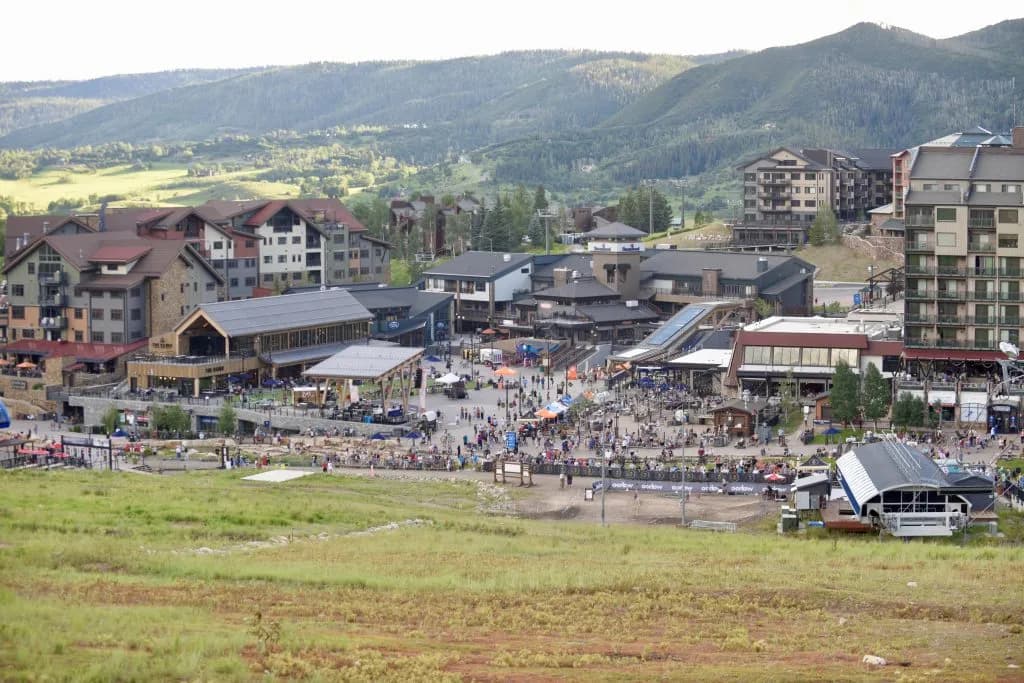
Steamboat Springs —Was July 2024 actually hotter than any other month in recorded history for your town, or is the media just exaggerating a few heat waves?
For parts of Colorado’s Western Slope and much of the Front Range, July wasn’t just hot. It was the hottest month ever documented in 132 years of recordkeeping. Statewide, it ranked second-hottest on record. That’s a distinction that matters when you’re looking at your water bill, your property insurance rates, and whether the reservoir will actually fill before winter.
The Colorado Climate Center’s monthly summary shows July averaged 4.8 degrees Fahrenheit above the 20th-century average. That might sound like a small margin, but in climate terms, it’s significant. Colorado Climate Center State Climatologist Russ Schumacher noted that summer and fall are where the human-caused climate change signal is most obvious. Natural variation in summer is low, so when temperatures spike, the trend emerges clearly.
Let’s look at the mountains. Areas in Eagle, Summit, Grand, Garfield, Routt, and Moffat counties experienced their hottest month ever. Schumacher pointed to a specific data point from Dillon, a weather station sitting above 9,000 feet. Historically, that station has never recorded a single day reaching 90 degrees. This July changed that. The station logged 11 days above 85 degrees, shattering its previous record. And that was before August and September even arrived.
The heat didn’t come in one big blast. It came as a series of events. Colorado experienced at least four heat waves — defined by the Climate Center as four-day periods of above-average temperatures — from July 6 through July 28. The stretch from July 25 to July 28 was the most extreme heat wave recorded between 1951 and today.
On July 27, the state hit an average of 78.75 degrees across all stations. That was the hottest day ever recorded in Colorado. Burlington saw 113 degrees, just two degrees shy of the all-time state high. Three of the top seven warmest days in Colorado history occurred last month alone.
This heat follows a pattern that locals are becoming familiar with: the hottest winter on record, followed by the worst snowpack. The U.S. Drought Monitor shows widespread drought conditions persisting, with the Western Slope experiencing the highest levels of dryness in the state. Schumacher highlighted the immediate impacts: reduced streamflows, low reservoirs, and increased wildfire risk.
The ground tells the story visually. Photographs from July 14 show bare, cracked earth where the Dillon Reservoir has receded significantly. Temperatures have trended above average for 14 consecutive months leading into this July.
Schumacher mentioned hope on the horizon with El Niño setting in, which typically brings more moisture to the region. But for now, the data is clear. The heat is real, it’s persistent, and it’s altering how we manage water resources in the valley.
The practical bottom line for locals is that the "normal" summer we used to rely on is shifting. Higher evaporation rates from reservoirs mean more water lost before it reaches taps and fields. The record-breaking days in Dillon suggest that even high-elevation communities are feeling the thermal shift. If you live near a reservoir or rely on mountain runoff for irrigation, July 2024 wasn’t an anomaly. It was a preview of what’s becoming the new normal.
Keep up with Steamboat Springs
The day's Western Slope news, one email each morning. Free.