Yampa Valley RTA Pursues $5.26 Million Grant for Six Buses
Yampa Valley RTA finalized a $5.26 million federal grant bid to purchase six new buses, leveraging private investment to expand regional transit routes.
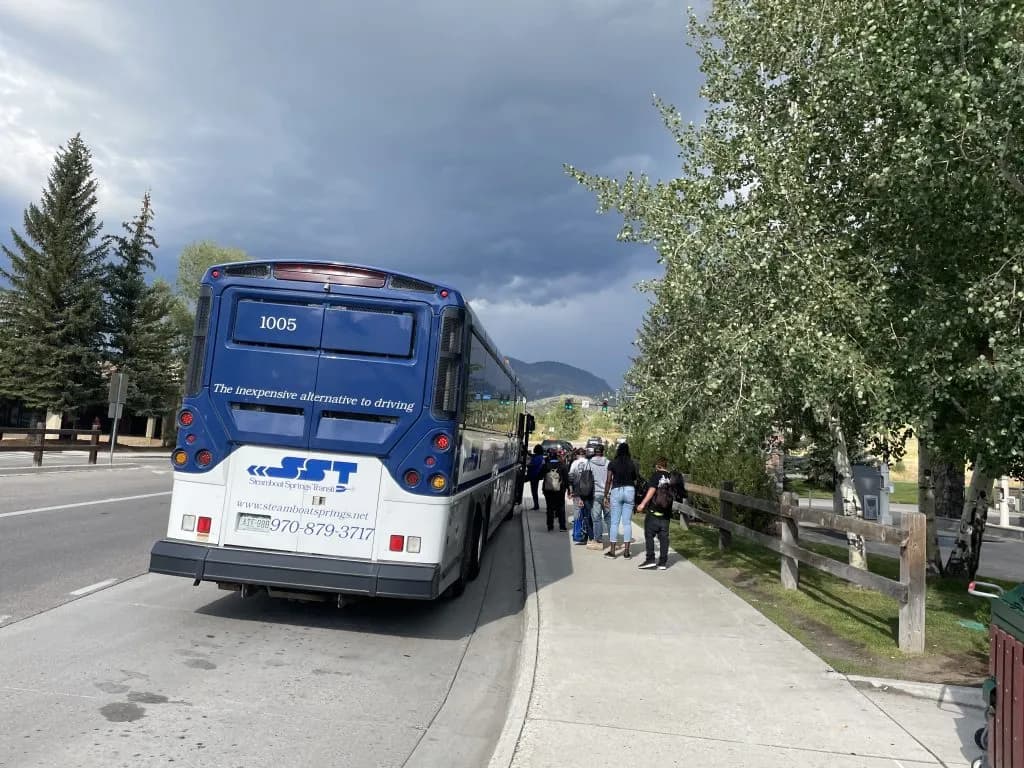
Steamboat Springs —A $5.26 million federal grant application. Six new buses. A 15% local match of just under $790,000.
That is the current state of play for the Yampa Valley Regional Transportation Authority (RTA), which met Monday to finalize its bid for a Federal Transit Administration 5339 grant. The RTA board voted to pursue the funding, which would allow the agency to deploy six regional buses across the valley. According to RTA Chair Sonja Macys, four of these vehicles would operate on the Steamboat-Craig line. The plan adds a minimum of two round-trips per day to regional service, while the remaining two buses serve as required backups.
Let’s do the math on that. Macys noted that each new bus costs approximately $877,000. Without the grant, six buses would cost more than $5 million out of pocket. With the 5339 award, the RTA effectively pays for less than one bus and receives six. The 5339 program provides funding to states and transit agencies through a statutory formula specifically for replacing, rehabilitating, and purchasing buses.
For context, the RTA is currently running on a skeleton crew of administrative support and board volunteers. The agency has already secured $230,000 in smaller grants: $30,000 from the Colorado State Internet Portal Authority for website development and digital accessibility, and $200,000 from the Colorado Department of Transportation’s management organization program. But those are administrative lifelines, not fleet expansion money.
The real lever is private investment. Macys pointed to a three-year, $1 million annual contribution from Steamboat Ski & Resort Corp. as the engine behind this grant strategy. “One of the things we’re really proud of is that we’re taking this $1 million a year and we’re leveraging it into other monies right away,” Macys said. That private capital helped the RTA achieve its logistical milestones this year, but it also sets a precedent. The RTA is structuring its budget around the hope that federal money will keep flowing to offset the operational costs of running a regional bus network.
The board expects a decision on the 5339 grant by the end of the year. If it lands, the RTA will need a leader to execute the rollout. In early August, the agency posted a job listing for an executive director with a salary range of $150,000 to $180,000. First reviews of applications began on Sept. 8. Steamboat Springs City Councilor John Agosta, who represents the city on the RTA board and has led the hiring push, said the board intends to interview candidates face-to-face in late October.
Agosta also announced that the board plans to hold a meet-and-greet session during the interview process. Community members will be able to ask candidates questions and leave “comment cards” with their impressions for the board. It is a direct line of accountability, assuming the candidates are willing to engage with the public before they have even started the job.
On Monday, the board also officially hired Q+M, a Michigan-based branding and communications firm, to lead the RTA’s marketing efforts. Agosta noted that Q+M has considerable transit experience, though the Steamboat Pilot reported the source material cuts off before detailing the scope of their contract or cost.
Voters will consider a half-cent sales tax funding measure for regional transit this fall in November. The RTA board is moving quickly to have an executive director and robust grant funds in place by the start of the new year. The strategy is clear: use private money to unlock federal grants, then ask taxpayers to cover the ongoing operational gap.
The practical impact for locals is a potential expansion of the Steamboat-Craig route, with two additional round-trips per day. If the grant is denied, that expansion stalls, and the RTA remains a planning body without a fleet. If it is approved, the RTA will need to hire drivers, maintain six $877,000 vehicles, and manage a route that connects two of the region’s largest population centers. The $1 million annual contribution from Steamboat Ski & Resort Corp. is a start, but it does not cover the full operational cost of a six-bus regional system. That gap is what the November ballot measure aims to fill.
Keep up with Steamboat Springs
The day's Western Slope news, one email each morning. Free.



Colorado DA Details 96 Sexual Assault Cases From 2023 To 2025

Georgie White’s Wild Legacy Challenges Outdoor Superwoman Myth