Polis Signs Order To Cut Pesticides And Save Colorado Pollinators
Gov. Polis signed an executive order directing state agencies to reduce pesticide use and expand pollinator habitats along highways. The move aims to protect Colorado’s agricultural yield and local ecosystems.
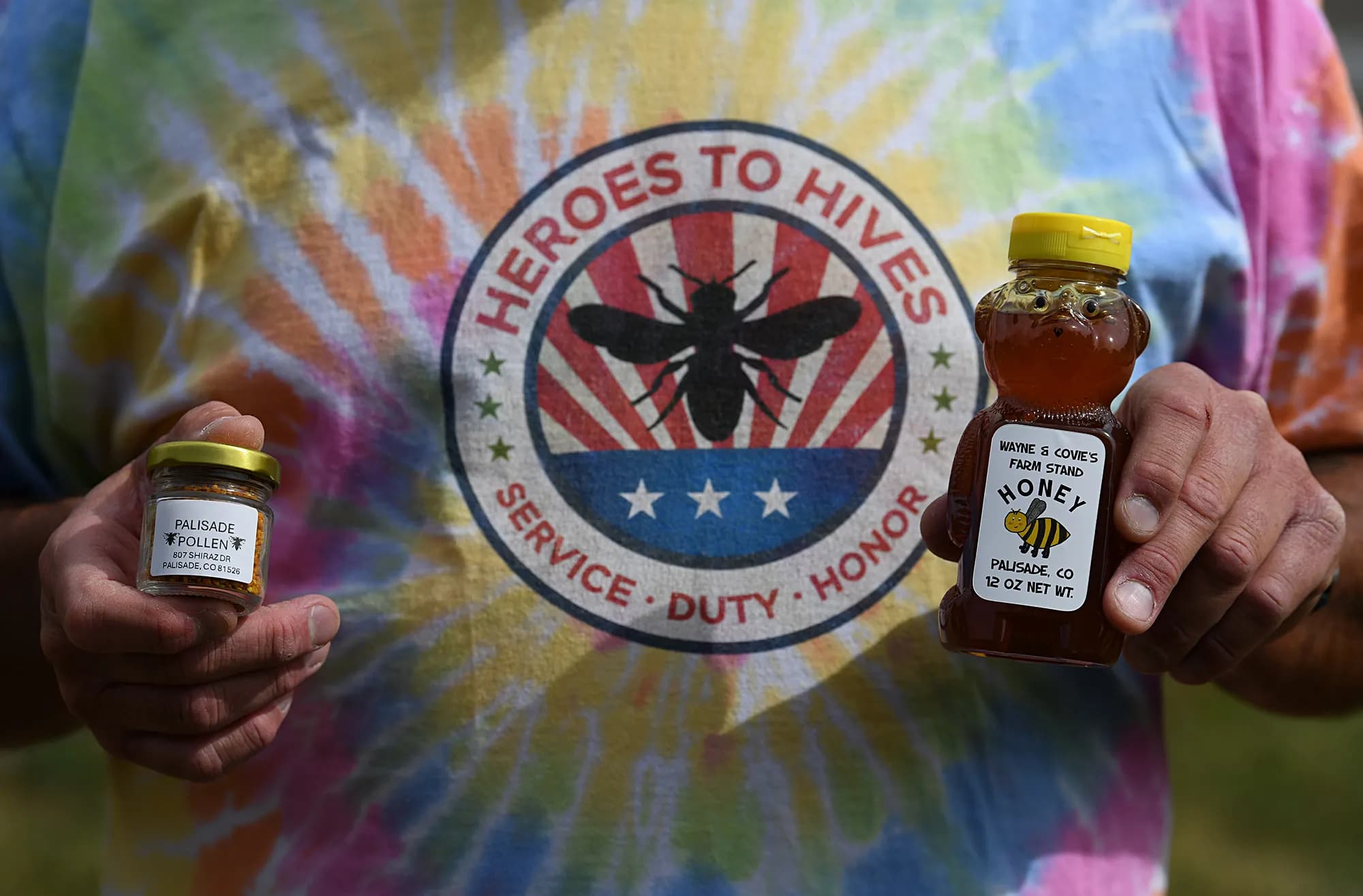
Robert Stanley stands in Palisade, holding two things that define his life’s work: bee pollen and raw honey. For Stanley, these aren’t just products; they’re proof that the ecosystem is still functioning. But that function is under threat.
Gov. Jared Polis, a man who has personally kept bees and sold flowers online, knows this threat intimately. On Wednesday, while walking through the pollinator garden at the Denver Zoo, he signed an executive order to save the insects that keep our orchards alive. It’s not just about saving a bug. It’s about saving the peach.
Let’s do the math on why this matters. The order directs the Departments of Natural Resources, Agriculture, Transportation, Corrections, and Human Services to cut back on pesticide use. Specifically, they must switch to pollinator-friendly controls. Why? Because chemicals like neonicotinoids are toxic to bees. Allison Johnson, a senior attorney at the Natural Resources Defense Council, explained that these pesticides contaminate soil, water, pollen, and nectar. In practice, this means a farmer spraying a field might now have to wait until the bees are gone before releasing the chemical.
The order also targets infrastructure. The Department of Transportation is ordered to expand bee and butterfly habitat along state highways. For context, this turns the median strip into a biological corridor. If you drive I-70 through the valley, you’ll see this change physically. The state is literally planting food for the insects alongside the road.
This isn’t Polis’s first move. He previously signed a law creating the “Protect Our Pollinators” license plate in 2021. He also ordered the State Land Board to use bee-friendly seed mixtures on leased land. But this executive action is broader. It forces local governments and private landowners to act. Johnson noted that the order helps those who want to decrease neonicotinoid use. It gives them legal backing to demand greener practices.
Polis framed it simply: “Pollinators help grow everything we love in Colorado.” He cited the peach groves on the Western Slope, the Rocky Ford melons, and the wildflowers in Crested Butte. Without the bee, there is no peach. Without the bee, there is no honey for Stanley.
The bottom line is local. If you live near a highway, expect more flowers. If you own farmland, expect more scrutiny on your spray schedule. If you buy produce, know that the state is actively trying to ensure it gets there. The governor is betting that if you save the bee, you save the dinner.
Keep up with the Western Slope
The day's Western Slope news, one email each morning. Free.