Yampa Valley RTA Races July 24 Deadline to Gauge Transit Support
The Yampa Valley RTA is racing against a July 24 deadline to hire a polling firm and gauge community sentiment on bus funding before submitting a question to voters.
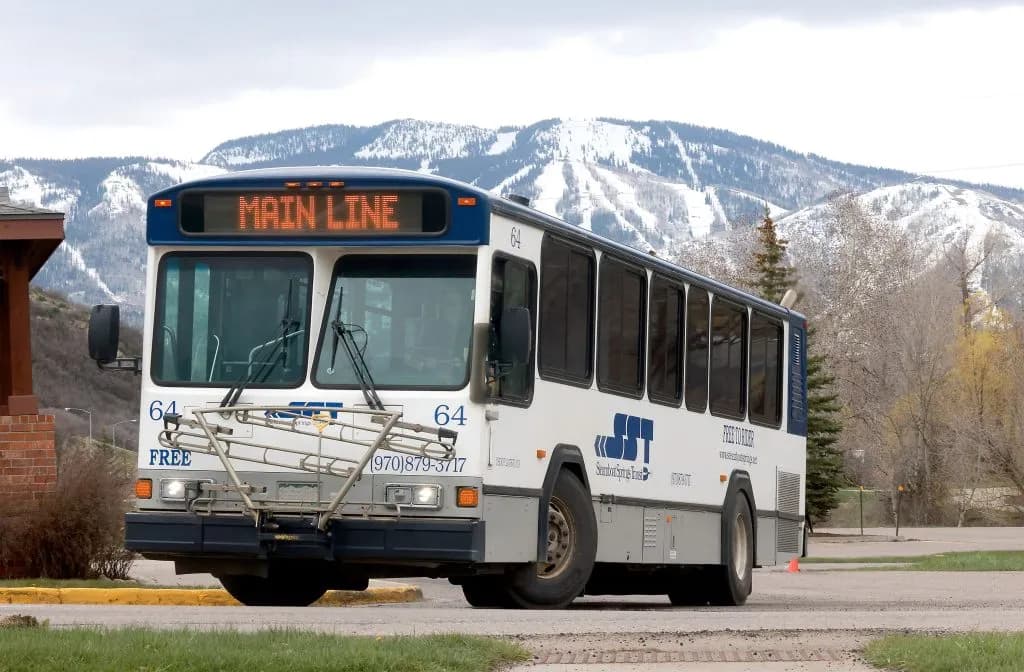
Steamboat Springs —The Yampa Valley Regional Transportation Authority has a tight window to figure out how to pay for buses before the county clerk’s deadline hits on July 24.
That date is the hard stop for notifying officials that the RTA intends to submit a funding question to voters. The board is racing against that clock, planning to hire a polling service first to gauge community sentiment on transit services and revenue streams. They need to know what locals want before they ask for their money.
“We’re looking at if there’s any service we can quickly expand, whether it be the regional service between Craig and Steamboat or the circulator bus system in Craig,” RTA Board Member John Agosta said. “What can we do quickly to gain confidence within the community?”
The authority held its inaugural retreat this past Saturday to hammer out these timelines. Gary Suiter, the former Steamboat Springs City Manager, facilitated the five-hour session in a volunteer capacity. The goal was simple: get specific on the steps needed to launch regional bus service.
Since voters approved the RTA in November, the board has moved faster than many expected. They’ve secured a $500,000 contribution from Steamboat Ski & Resort Corp. They’ve adopted their 2026 budget. They’re even drafting a job description for an executive director.
But money and structure don’t equal ridership. That’s why the next big move is polling. The board will issue two Requests for Proposals on June 29. One firm will handle the polling; the other will handle branding and marketing to bolster the authority’s public image.
RTA Chair Sonja Macys emphasized that polling isn’t a guarantee of a ballot measure. It’s a diagnostic tool.
“You can go do polling, and that does not necessarily mean you’re going to the ballot, right?” Macys said. “You can go learn what people like and what they don’t like and test messaging.”
The board’s top priorities are now clear. They need to hire an executive director. They need to implement some form of expanded service within the next 12 months. And they need to decide when to go to the ballot with a funding question.
Scott Ford of Pinnacle Economic Research Group presented data on commuting patterns across the valley during the retreat. Jonathan Flint, the Steamboat Springs Transit Manager and member of the executive director hiring committee, outlined how regional transportation trends have shifted over the decades.
The pressure is on to show results quickly. Agosta’s question about expanding service between Craig and Steamboat or improving the Craig circulator bus system suggests the board is looking for low-hanging fruit to build trust. If residents see a bus running more frequently or covering more ground, they might be more willing to vote for the tax or fee that keeps it running.
The deadline for notifying the county clerk is July 24. That leaves a short window to hire the polling firm, conduct the surveys, analyze the data, and make a final call on whether to put a funding question before voters in the 2026 or 2027 election cycles.
Macys called the retreat “awesome,” noting how board members challenged and listened to one another. But the real test comes when the polling data hits the desk. The board needs to know if the community wants regional transit enough to pay for it.
“We’re looking at if there’s any service we can quickly expand,” Agosta said. “What can we do quickly to gain confidence within the community?”
The outcome remains uncertain.
Keep up with Steamboat Springs
The day's Western Slope news, one email each morning. Free.

Steamboat Recommends E-Motorcycle Education to Clarify Rules
BLM Clears 113 Roan Plateau Parcels for December 2026 Oil and Gas Lease Sale

Southern Colorado Releases 2,500 Acre-Feet to Save Drying Arkansas River

45 Exhibitors Compete in Routt County Fair Swine Show

Moffat County Fair Awards Crown Winners in Horse Show and Crafts