A single gunshot
A single gunshot. Two women. One foot shattered. That’s the arithmetic of July 16, and now, thanks to a ruling from Adams County Judge Martin J. Flaum II, the math is about to get even more expensive for Brandon Booth.…
A single gunshot. Two women. One foot shattered. That’s the arithmetic of July 16, and now, thanks to a ruling from Adams County Judge Martin J. Flaum II, the math is about to get even more expensive for Brandon Booth.
If you’ve been following the chaos at the GEO Group-run ICE detention center in Aurora, you know the tension has been simmering for months. But does a "pre-trial" win actually mean we’re getting closer to justice? Let’s break down what the judge actually decided and what it costs the community to keep this case alive.
Judge Flaum II ruled that the prosecution has presented enough evidence to support two felony charges: first-degree assault and attempted first-degree assault. This is a critical hurdle. In practice, it means the case survives the initial shakeout where many defendants walk free due to insufficient proof. However, Booth hasn’t entered a plea yet. He’s still in the driver’s seat, deciding whether to negotiate a deal or fight it out in open court.
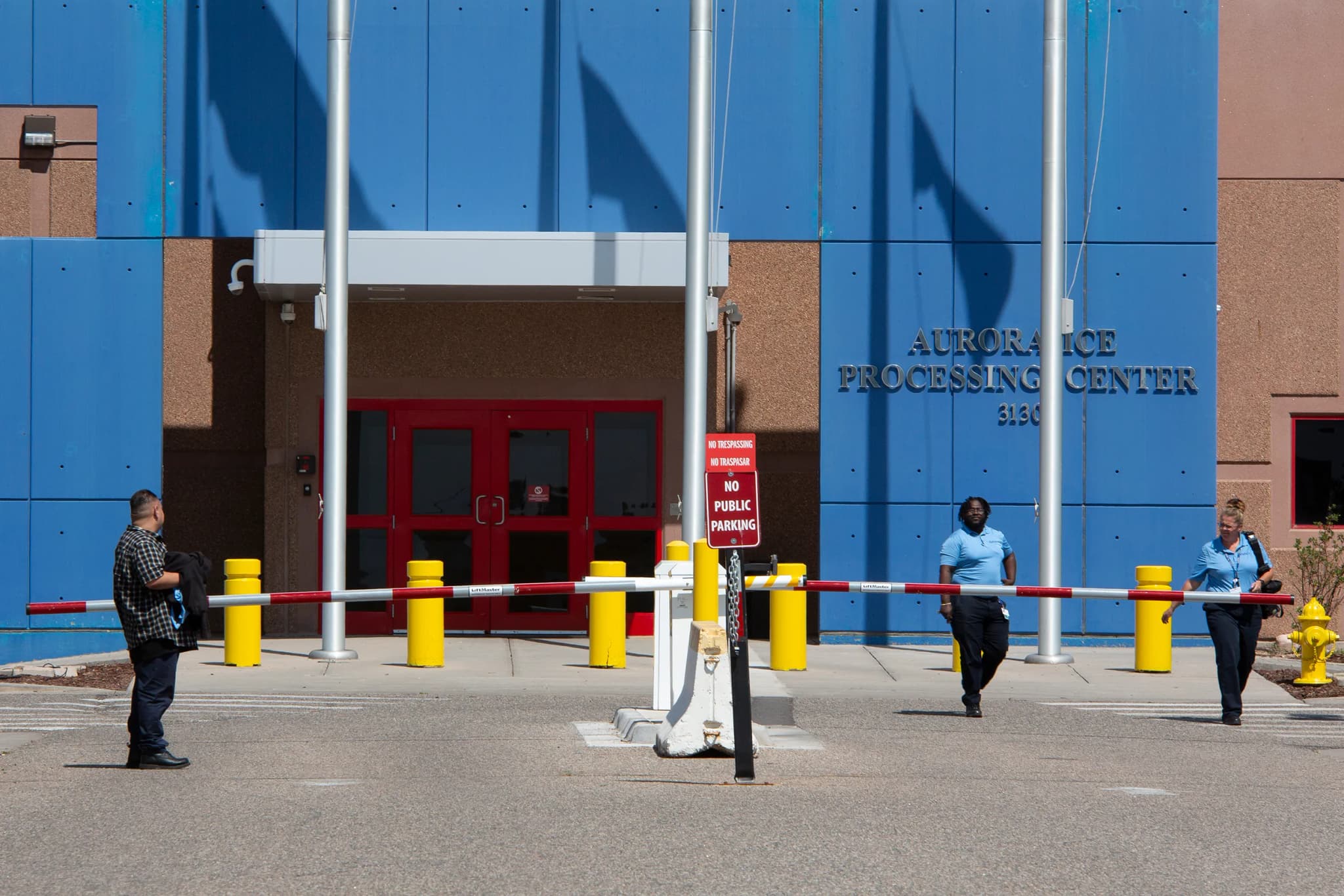
For context, the incident happened right outside the facility. Emma Landis and a friend had just left a protest. They spotted Booth and other GEO employees gathered in the neighborhood, unable to get back into the compound because of the demonstration. Landis and her friend photographed the vehicles’ license plates and yelled at the group. According to the arrest affidavit, one of the protesters warned that people of color should be careful because they could be "next," implying they’d end up in the detention center. She added that she loved Black people, just not "race traitors."
Booth, who is Black and a father of two, reportedly yelled back. One of the women threatened to find the guards’ families and locate their children’s schools. Booth told investigators that comment about his kids pushed his anger to a "15 out of 10." He claimed he fired his handgun once, aiming between the two women, who were standing a few inches to a foot apart. His goal, he said, was to scare them, not hit them. He later told police he realized he had "done some dumb s — ."
Aurora Police Sgt. Gabriel Nestor, a detective, testified that the women were 25 to 30 feet away when Booth stepped into the middle of the street to fire. Nestor noted that Booth described trying to "split the difference." Nestor also pointed out that Booth referred to the protesters as "agitators," a term most facility employees have used since around 2020. It’s unclear if GEO officially approved that language. The company didn’t immediately respond to a request for comment.
Booth’s lawyer, Julia Stancil, argued that he was just working to support his family and didn’t hold a grudge against protesters. Nestor backed this up, stating, "At no point during this investigation did I believe Mr. Booth had an issue with protesters."
So, where does that leave us? The legal machinery is grinding forward. The next phase will likely involve pretrial motions, discovery, and eventually a jury trial if no plea deal is struck. For locals, the stakes are high. A conviction for first-degree assault carries significant prison time, while an acquittal might leave the community feeling that the power dynamics of the detention center remain unchecked.
The bottom line is simple: the case is moving. The judge bought the prosecution’s argument that there’s enough smoke to warrant a fire. Now the real work begins. We’ll see if the courtroom can deliver what the street protests couldn’t. Until then, keep an eye on the docket. The next update could change everything.
Keep up with the Western Slope
The day's Western Slope news, one email each morning. Free.