The rain taps against the windows of the Wheeler Opera House, a steady rhythm that usually signals quiet
The rain taps against the windows of the Wheeler Opera House, a steady rhythm that usually signals quiet. But on a Thursday evening in September, the silence is broken by the clatter of coffee cups and the murmur of locals…
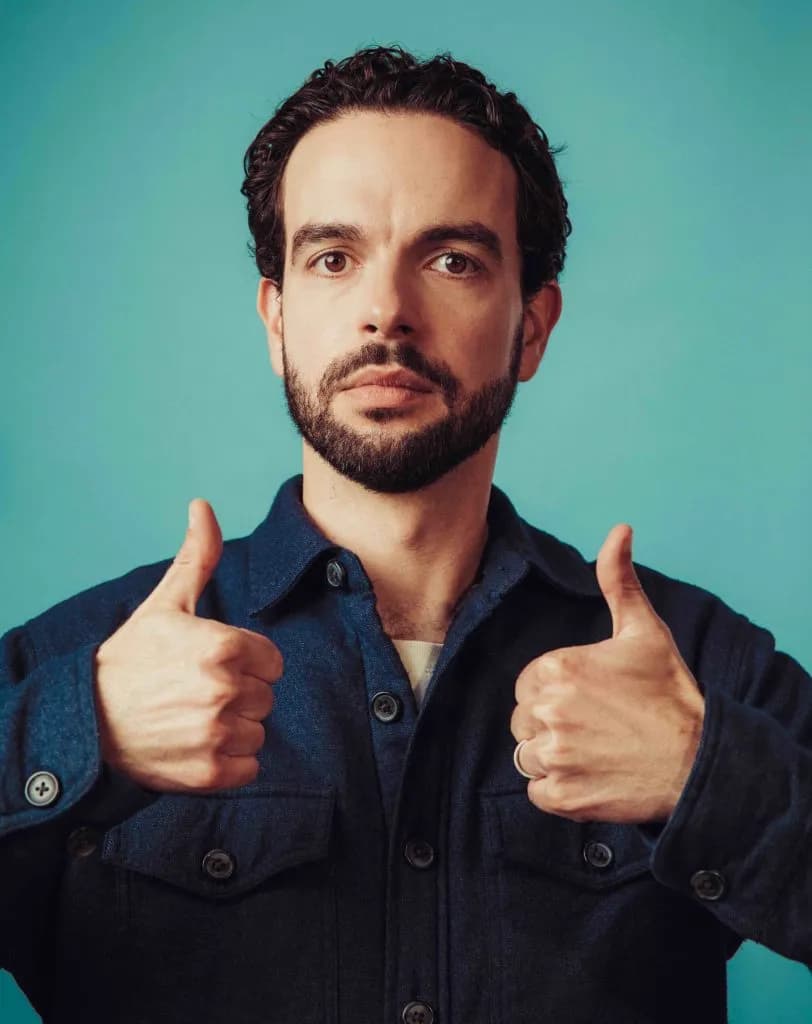
Aspen —The rain taps against the windows of the Wheeler Opera House, a steady rhythm that usually signals quiet. But on a Thursday evening in September, the silence is broken by the clatter of coffee cups and the murmur of locals settling into their seats. They aren’t here for a play or a concert. They’re here because someone promised them they’d learn how to laugh at their own lives.
It’s a bold promise for a town that often takes itself pretty seriously.
The event, titled “Laugh More Everyday: Three Comedy Writers on Finding the Hilarity in Daily Life,” brings together comedians Chris Duffy, Carley Moseley, and Asher Perlman. They’re not just performing; they’re dissecting the craft. According to the Aspen Times, the show is designed to be “genuinely hilarious and practically useful.” That’s a high bar. Can you really teach someone to be funny? Or is it just a workshop with better branding?
Duffy, who recently published the book Humor Me, argues that humor isn’t about being the loudest person in the room. It’s about noticing the absurdity in the mundane. He talks about keeping a notebook for random observations — a weird street sign, a bizarre overheard conversation. “You think you will remember, but you won’t,” he says. It’s a simple habit, but it requires you to actually look at the world instead of just rushing through it.
Moseley and Perlman bring fresh momentum to the stage. Both recently won Primetime Emmy Awards for Outstanding Writing for a Variety Series for The Late Show with Stephen Colbert. It’s a first-time win for both, and the energy is palpable. Moseley, a Second City alum and Writers Guild nominee, and Perlman, a Peabody winner and New Yorker cartoonist, represent different corners of the comedy world. Their presence signals that this isn’t just a local gathering; it’s a convergence of talent.
Mike Harrington, the Executive Director of the Wheeler, sees this as more than just a stand-up special. “A week of literature and laughs — two things we all need more of in our lives,” he says. The event kicks off the 2026 Aspen Literary Festival, marking the second year the Wheeler has served as the primary venue. The proximity of the audience to the performers is a key feature. “Audiences are close enough to experience every detail of the craft,” Harrington notes. In a digital age, that physical closeness feels increasingly rare.
The Q&A session following the performance allows the audience to probe the writers’ processes. How do they find the joke in a boring Tuesday? How do they edit themselves? These are questions that resonate with anyone who tries to create anything. The answers suggest that it’s less about inspiration and more about discipline. You have to go out and collect the material. You have to sit down and shape it. It’s work. But it’s also a way to connect. Duffy mentions a nightly ritual with his wife where they share one thing that made them laugh that day. “The day gets wiped away, we’re connected and we’re laughing,” he says. It’s a small moment, but it carries weight.
As the evening winds down, the comedians take their final bows. The audience files out into the cool night air, chatting animatedly. Some are already planning to return for the festival events later in the week. Others are shaking hands, exchanging contact info, inspired by the shared experience. The Wheeler Opera House lights dim, returning to its usual quiet. But the laughter lingers in the corridors, a faint echo that reminds everyone why they came. The next day, the rain stops. The sun breaks through over the peaks. And for a few hours, the whole valley seems a little lighter.
Keep up with Aspen
The day's Western Slope news, one email each morning. Free.