Aspen One Reveals 50 Percent Home Vacancy Rate Fuels Traffic
Aspen One executives revealed that 50 percent home vacancy rates, not skiers, drive local traffic. Residents cited rising pass costs and construction noise during a crowded open house.
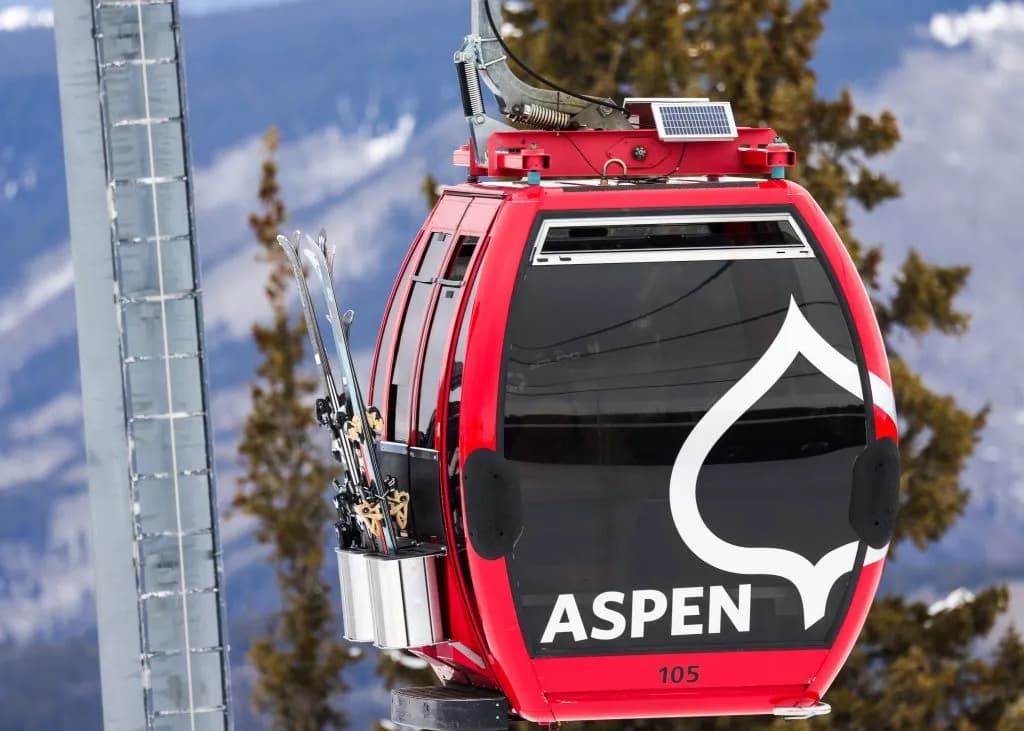
Aspen —Aspen is no longer a ski town. It is a second-home enclave that happens to have a mountain behind it.
That is the hard fact buried in the Tuesday open house hosted by Aspen One. Hundreds of locals packed the room to hear the company’s leadership address the future of the valley. The panel was stacked with heavy hitters: Dave Tanner, president and CEO of Aspen One; Geoff Buchheister, CEO of Aspen Skiing Company; Chris Miller, SVP of Sustainability; and Michael Miracle, VP of Community Engagement.
Tanner set the stage with a plea for unity. He told the crowd, “We need partnership from the community to keep skiing at the heart of our valley’s identity and culture.” It was a standard corporate line. Polished. Safe. But the residents in the room were not interested in identity. They were interested in trucks.
Randy Gold, a longtime resident of Little Annie Road, cut through the noise. He described a steady stream of construction vehicles pounding his neighborhood, often in the dead of night. To Gold and his neighbors, the mountain had become a priority. Their street had been demoted.
Gold asked the panel directly, “What can you do to better take care of the people on Little Annie and the rural and remote area that you drive through to service Aspen Mountain?” He noted that residents often feel like they are living on a “second-class service road” for the mountain.
Buchheister offered a diplomatic shrug. He said the company was open to collaborating, adding, “if it’s not going well, which it sounds like in this particular case it’s not, we will look at it and try to do our part.” Read that again. They will look at it. Not fix it. Not apologize. Look at it.
But the real bombshell came from Miracle. He argued that the ski industry is no longer the primary driver of the valley’s traffic and congestion problems. He pointed to last winter, when skier visitations fell by 21.5%. That marked the third consecutive season of declining visits. Yet, traffic in the upper valley did not drop at the same rate.
Why? Because the valley is full of empty houses.
Miracle explained that close to 50% of the homes in the area are vacant at any given time. These are not vacation homes waiting for a weekend guest. They are permanent fixtures of a new class of owner who lives elsewhere. The result is a surge in service trips. Trucks hauling materials to build, maintain, and clean these absentee properties dominate the roads. The skiers are gone, but the service vehicles remain.
Affordability was the final nail in the coffin. For long-time residents, the mountain is becoming a luxury good they can no longer afford. Anne Austin Clapper, who has lived in the valley for 58 years, said she is now paying double what she used to for a ski pass.
She asked the room, “How about keeping us old farts still skiing?”
The question hung in the air. The company promised to look at the issues. The residents waited for answers. The mountain stood tall, indifferent to the economics of access.
Keep up with Aspen
The day's Western Slope news, one email each morning. Free.