Adobe Creek and Thurston Reservoirs Close July 16 After Lease Deal Fails
Public access to Adobe Creek and Thurston Reservoirs shuts down on July 16 after the state failed to renew its lease with the Fort Lyon Canal Company, leaving southeastern Colorado anglers without key recreation spots.
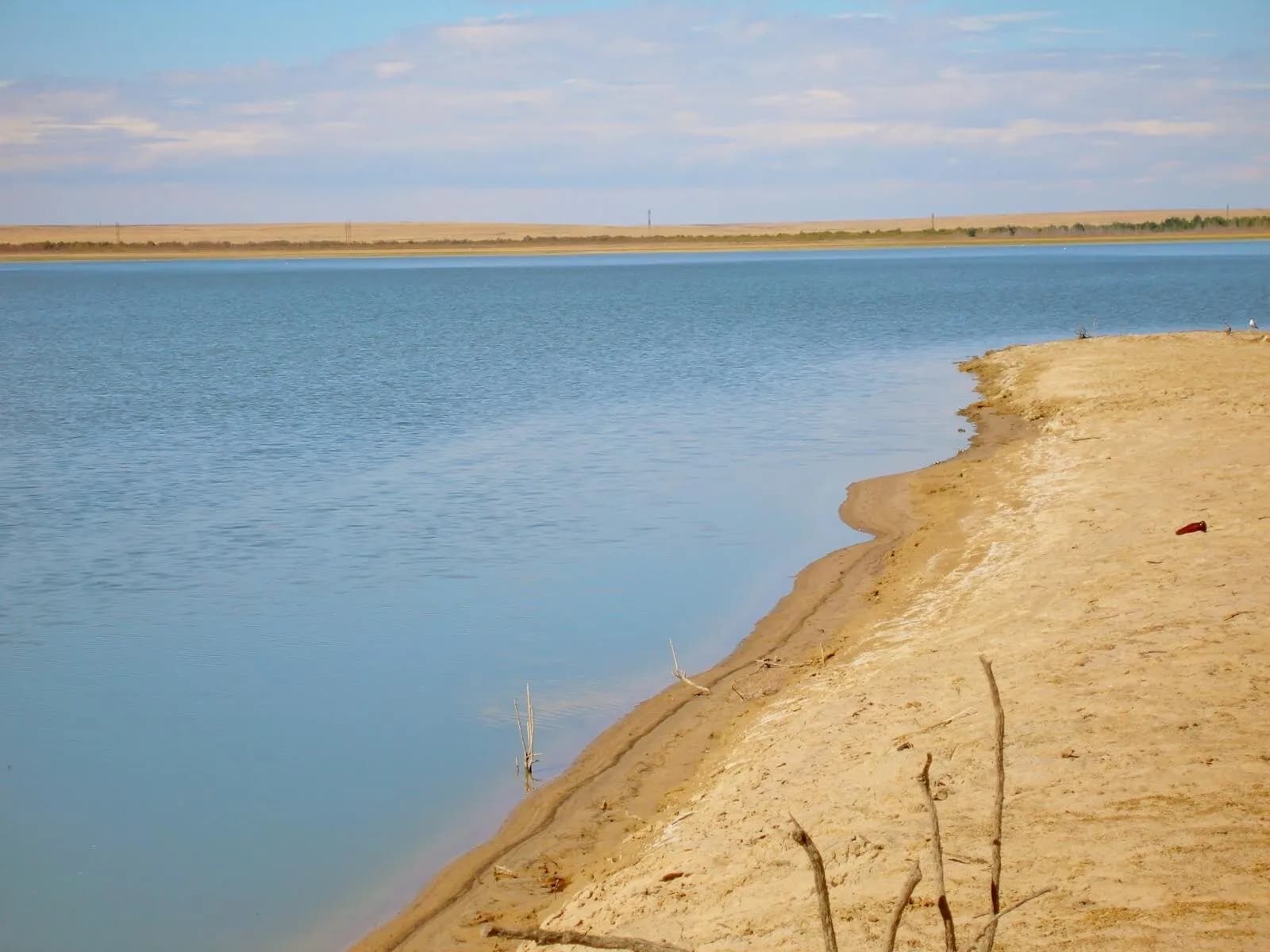
Colorado —A $14,000 annual bill. That’s the price the state paid to keep Adobe Creek and Thurston Reservoirs open to the public for the last 25 years.
On paper, that’s a steal. You’re getting two major bodies of water, maintained fish populations, and access to some of the only reliable water in southeastern Colorado for a fraction of what a private club might charge. In practice, it’s a disaster waiting to happen because the state and the Fort Lyon Canal Company couldn’t agree on a new lease.
The result? Public access slams shut on July 16.
Lincoln County Commissioner Wayne Ewing has spent more than two decades camping at Adobe Creek, which straddles Bent and Kiowa counties. He’s baptized people in its deep blue water. He’s celebrated birthdays there. It’s not just a fishing hole; it’s a community hub. Now, that lifeline is cut.
“The news has sent shockwaves through southeastern Colorado communities that have little access to outdoor recreation, especially any involving water,” the Colorado Sun reported.
This isn’t just about losing a weekend campsite. It’s about the economic bleed for Bent, Kiowa, and Crowley counties. Locals are coming in and out, buying gas, ice, and food. When the water goes, that revenue dries up. Ewing is already looking at Nebraska and Kansas for a fix. He can’t understand why they can’t just come together.
Jason Swann, founder of Rising Routes, sees a bigger picture. He’s worried about outdoor equity. The closures don’t happen in a vacuum. Other reservoirs in the region are already stressed by drought. John Martin is partially restricted. Nee Noshe is drying up. Nee Gronda no longer has a fishery. Now Adobe Creek and Thurston are closing.
“It’s not about just the loss of Adobe Creek and Thurston Reservoirs — it’s the impact on an entire region’s outdoor access over the course of just a few years,” Swann said in an email.
The Fort Lyon Canal Company owns the water and the land around Thurston. They operate the canal that feeds these reservoirs. CPW started negotiating a new lease about a year ago, knowing the old one was expiring. The old lease covered three reservoirs, including Horse Creek, and cost the state roughly $14,000 a year, paid for with hunting and fishing license revenue.
That’s the kicker. The state was already subsidizing this access. They weren’t paying market rate. They were paying a discounted rate to keep the public happy and the fish stocked. And they still lost.
CPW declared a public fish salvage on June 24 that ran through July 15. Anglers were invited to catch fish under relaxed rules, no size limits, as a way to thin the population before the water level dropped or the access vanished. It was a final hurrah.
Todd Marriot, the Lamar area wildlife manager, told the Sun that negotiations were ongoing. But they ended. The lease is terminated. The gates are closing.
For the folks around here, the math is simple. You lose two major recreation spots in a region where options are already scarce. You lose the economic ripple effect on local businesses. And you lose the social fabric that Ewing described — relationships built over years of shared weekends.
The state isn’t saying they’ll try again. They’re saying the lease is gone. The Fort Lyon Canal Company owns the water. If they want to charge more, or close it entirely, they can. The state was paying $14,000 a year to keep the lights on. They didn’t get a discount big enough to justify the risk, or maybe they just ran out of time.
Either way, on July 16, the public stops being welcome. The fish stay. The water stays. But the people? They’re on their own.
Keep up with Colorado
The day's Western Slope news, one email each morning. Free.

Federal Report Sets 200,000 Acre-Foot Water Conservation Target for Upper Basin
Colorado Parks and Wildlife Deploys Precision Drones for Weed Control