Andrew Zimmern Brings Sustainable Seafood Focus to Aspen Food Classic
Celebrity chef Andrew Zimmern pivots from spectacle to substance at the Aspen Food Classic, promoting his new book and advocating for sustainable seafood consumption through classic and modern dishes.
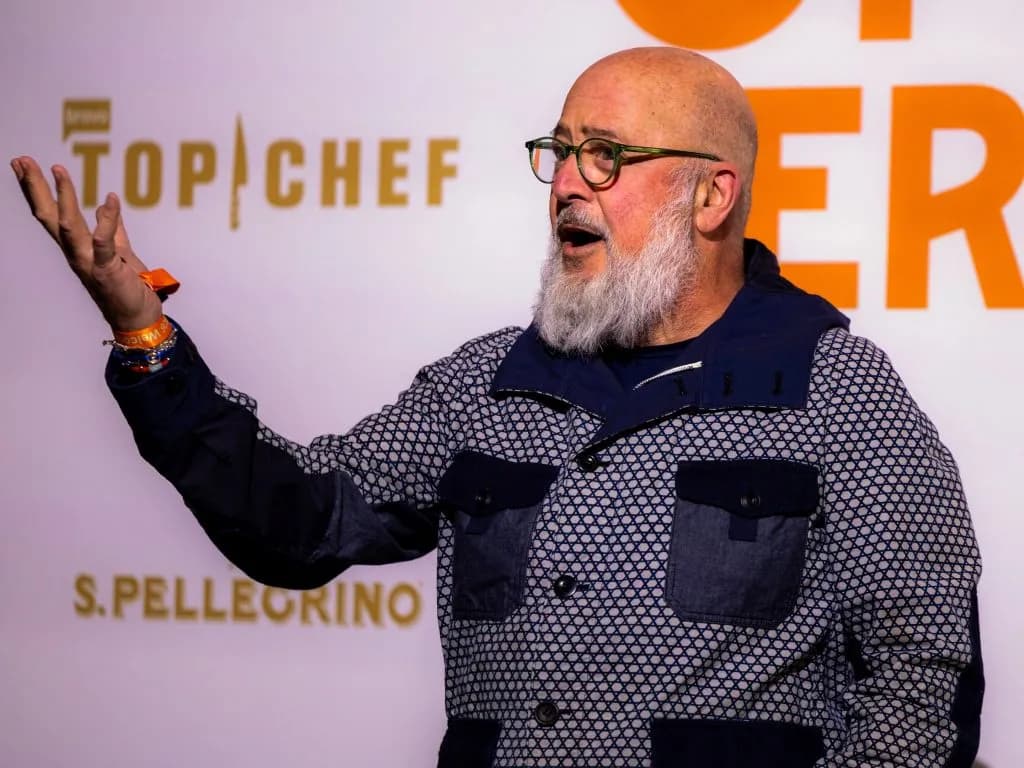
Aspen —Andrew Zimmern isn’t just here to cook. He’s here to change how we think about what’s on our forks.
The celebrity chef, best known for “Bizarre Foods,” is returning to the Food & Wine Classic in Aspen for what he calls a pivot in his career. For decades, he traveled the globe eating things most people wouldn’t touch. Now, he’s focused on something far more mundane and far more critical: the sustainability of our oceans.
“I’m slowly, but surely, getting to be the senior player on the circuit,” Zimmern said.
It’s a shift from spectacle to substance. For the 2026 event, Zimmern is turning his attention to fish. Specifically, how seafood consumption can reshape global food patterns. He’s not just throwing shrimp on a grill; he’s trying to fix the way we buy, cook, and value blue food.
The question is whether a celebrity chef with an Emmy can actually move the needle on consumer behavior. Zimmern thinks he can. He’s betting on his new book, “The Blue Food Cookbook: Delicious Seafood Recipes for a Sustainable Future,” released in October 2025. It’s not just a collection of recipes. It’s a manual.
“I co-authored the book with Barton Seaver, in collaboration with Fed by Blue,” Zimmern said. “It was one of the great projects of my career.”
The book features 145 recipes, but the real value lies in the 125 pages of context that precede them. Zimmern wants to demystify the confusion surrounding seafood. Is farmed better than wild? Is frozen worse than fresh? The answers, he argues, aren’t obvious.
“Hopefully, we have empowered the consumer to buy and cook more seafood,” he said. “If we ate one or two more meals a week from the blue world, we would drastic[ly improve our health and the planet’s].”
He’s putting that theory into practice this weekend with two distinct demonstrations. On Saturday, June 20, at St. Regis 1, he’s hosting “American Classics: Iconic Dishes from Restaurants in that Defined an Era.” He’s bringing back lost foods. Oysters Rockefeller. Lobster Thermidor emulsified with egg yolks.
“Classics are coming back in style, and I think in some restaurants it’s going to be more popular over the next couple of years,” Zimmern said. “I’m excited about that because classics are classics for a reason. It’s great to see new chefs reinterpret them. I’m using original recipes in both cases from over 100 years ago.”
This isn’t nostalgia for nostalgia’s sake. It’s about showing that sustainable eating doesn’t mean eating poorly. The Thermidor he’s preparing uses traditional techniques, but the focus is on the quality of the catch and the method of preparation.
Then, on Sunday, June 21, at St. Regis Tent 1, the focus shifts entirely to the future. His seminar, “Hope in the Water: Seafood for a Sustainable,” draws from the cookbook to highlight globally-inspired dishes that prioritize ocean-friendly fishing.
Zimmern’s approach is pragmatic. He’s not asking locals to give up meat or become strict vegetarians. He’s asking them to eat smarter. To understand the difference between a resource that’s being depleted and one that’s being managed. To see seafood not as a luxury item, but as a staple that can be sourced responsibly.
The evidence supports that approach. The book isn’t just a coffee table piece. It’s a tool. And Zimmern is using his platform at the Food & Wine Classic to distribute it.
“I love teaching,” he said. “I love the Aspen Classic. I’ve been going for over the course of 30 years.”
He’s been coming to Aspen since before the town was a tourist trap. He’s seen it change. He’s seen the food scene evolve. And he’s seen the same confusion around seafood persist. He’s done with just showing people weird things. He wants to show them how to feed themselves better.
As Zimmern puts it, the goal is to empower the consumer. To take the guesswork out of the grocery store aisle. To make the choice to eat blue food an easy one.
“It’s not about being perfect,” Zimmern said. “It’s about being better. And if we can get people to eat one or two more meals a week from the ocean, we’ve won.”
Whether the folks in Aspen — or anywhere else — listen remains to be seen. But for now, Zimmern is ready to teach.
Keep up with Aspen
The day's Western Slope news, one email each morning. Free.

Stanford and MD Anderson Studies Target Single Receptor to Reverse Aging

Tribal members bless Mount Blue Sky summit for Colorado sesquicentennial

Craig Press Merges Two Magazines to Define Northwest Colorado’s Outdoor Identity
Eagle County Judge Receives Legacy Award for Mental Health Court Reforms
Vail Symposium Speaker Dr. Tierney Links Paleoclimate Data to Local Property Values